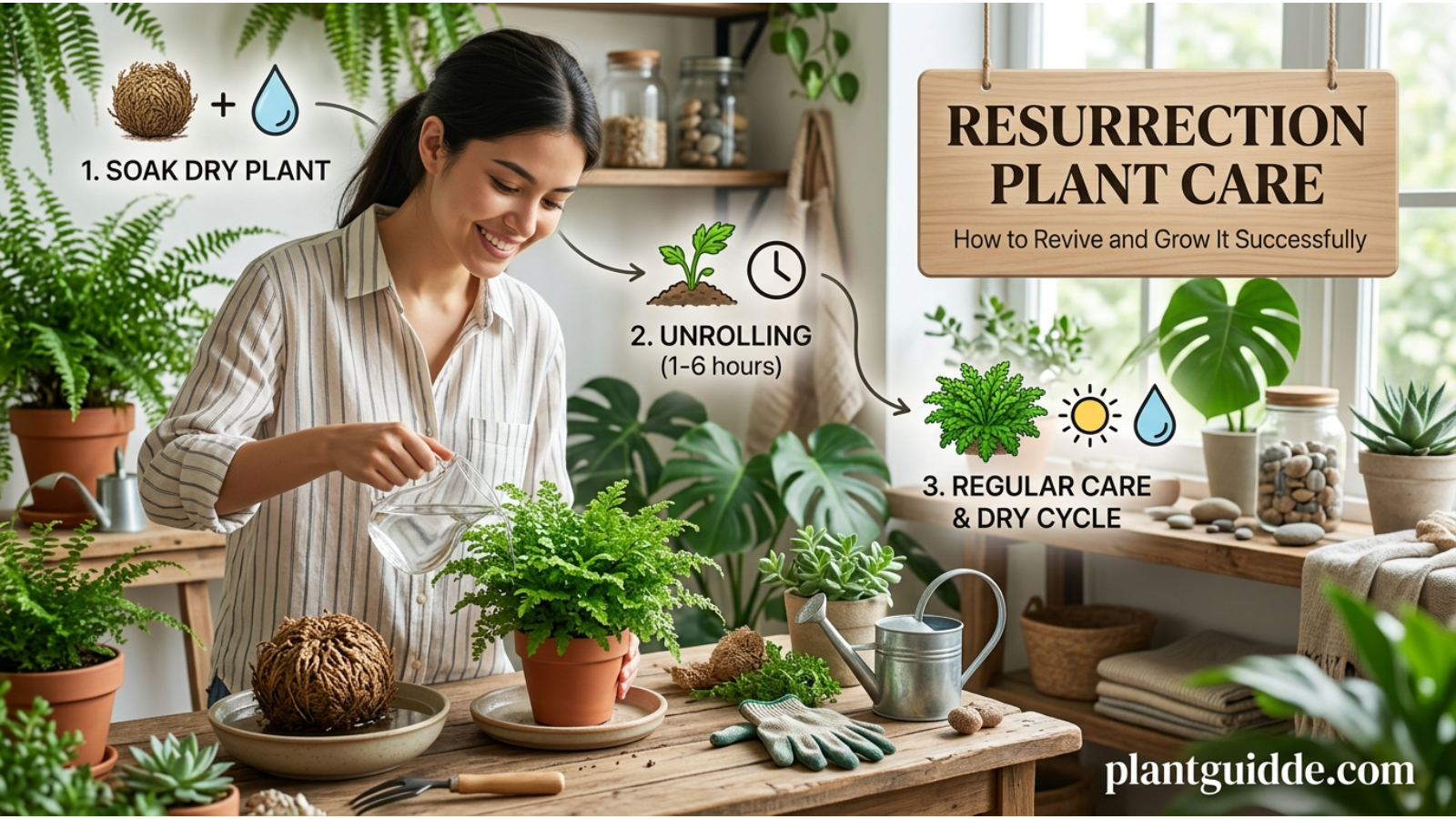
The resurrection plant care is famous for appearing dead when completely dry and then unfolding its green foliage after receiving water. That dramatic transformation makes it one of the most unusual plants you can grow at home. However, its ability to survive dehydration does not mean it can tolerate every form of neglect.
Successful resurrection plant care depends mainly on understanding its natural cycle. It is adapted to periods of extreme dryness, so keeping the plant permanently wet is usually a bigger mistake than allowing it to dry out.
With the right balance of light, moisture, airflow, and drainage, you can encourage healthy rehydration without creating conditions that promote rot.
Quick Answer
Resurrection plant care is surprisingly simple because this desert-adapted plant can curl into a dry ball when water is unavailable and reopen when hydrated. Give Selaginella lepidophylla bright, indirect light, occasional thorough hydration, and excellent drainage. The most important rule is to let it dry completely between watering cycles rather than keeping it constantly wet, which can lead to rot.
What Is a Resurrection Plant?
The plant commonly sold as a resurrection plant is Selaginella lepidophylla, a desert-adapted species related to club mosses rather than true flowering plants. It is sometimes called the false rose of Jericho because of its ability to curl tightly when dry and expand when exposed to moisture.
When conditions become extremely dry, its stems and leaves fold inward, reducing exposure and conserving moisture. After water becomes available, the plant gradually unfurls and its foliage becomes green again.
This is a natural survival mechanism, not a sign that the plant is dying every time it curls up.
One important distinction is that Selaginella lepidophylla is not the same plant as the true rose of Jericho, Anastatica hierochuntica. Both are associated with resurrection and dramatic rehydration, but they are different species with different botanical backgrounds.
How Does a Resurrection Plant Come Back to Life?
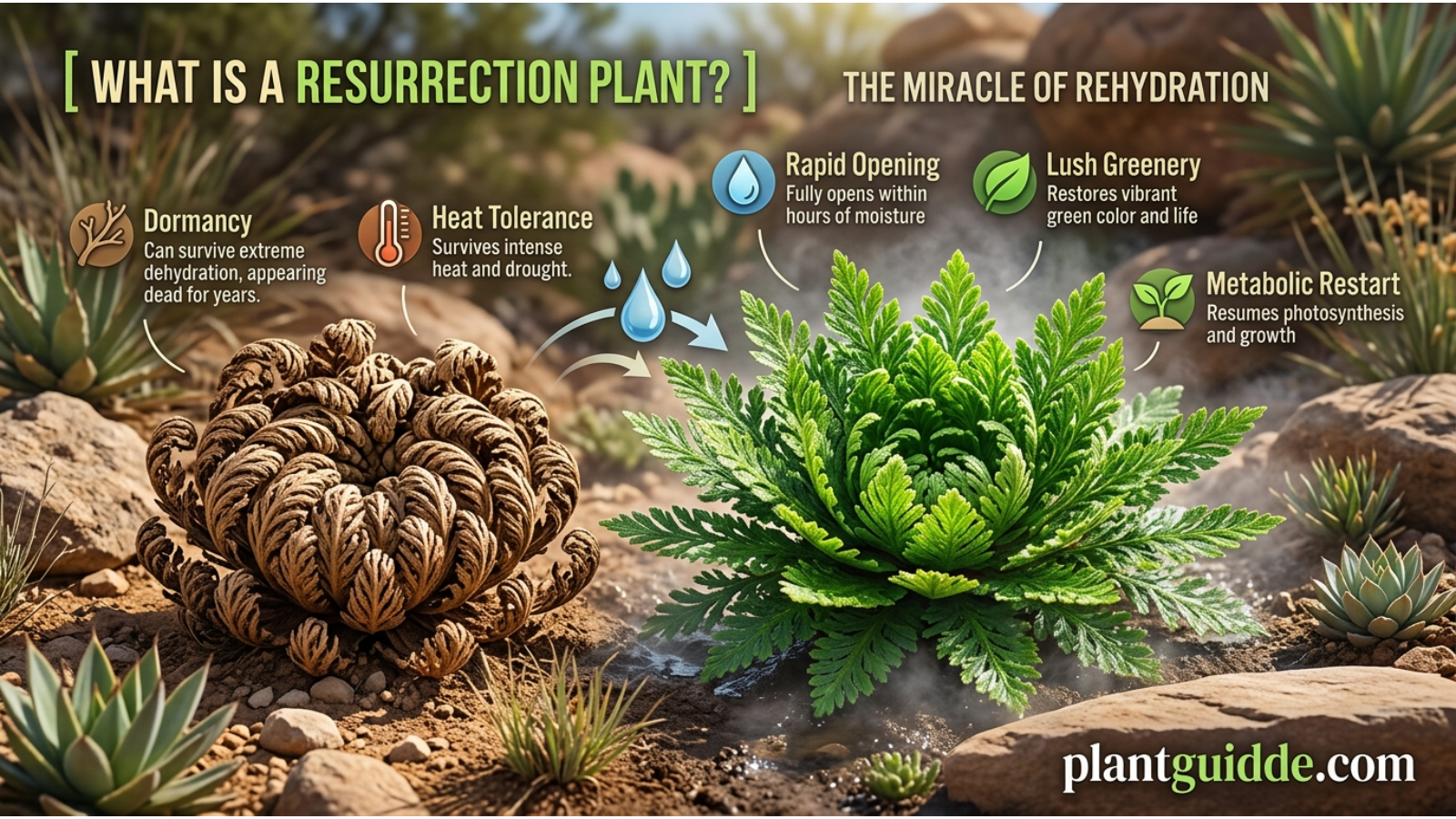
The resurrection process is based on the plant’s ability to tolerate extreme dehydration.
During dry conditions, the plant curls its branches and reduces its exposed surface. Its metabolism becomes extremely limited, allowing it to remain dormant until moisture returns.
When water is supplied, the dried stems gradually absorb moisture and expand. Depending on how dry the plant was and the surrounding conditions, the process can take several hours or longer.
A healthy specimen may reopen repeatedly when allowed to dry between hydration cycles.
This is why resurrection plants are different from ordinary houseplants: drying out is part of their natural survival strategy rather than automatically being a problem.
How to Revive a Dried Resurrection Plant
If your resurrection plant has arrived as a completely dried ball, you can usually rehydrate it without planting it immediately.
1. Place it in a shallow container
Use a clean, shallow dish or tray that allows the plant to contact moisture without being submerged under a deep layer of water.
2. Add water
Add enough water to wet the lower portion of the plant. Avoid completely drowning the entire plant in deep standing water.
Room-temperature water is generally suitable.
3. Give it bright, indirect light
Place the container somewhere bright but protected from intense direct sunlight. Strong sun shining through a window can cause excessive heating and rapid drying.
4. Wait for the foliage to unfold
The plant should gradually begin opening as it absorbs moisture. Some specimens respond quickly, while very dry or stressed plants may take longer.
Do not keep adding water every few minutes because the plant has not opened immediately.
5. Allow it to dry again
Once the plant has fully rehydrated, allow it to dry rather than keeping it continuously submerged or sitting in stagnant water.
This drying period is one of the most important parts of resurrection plant care.
Resurrection Plant Light Requirements
Bright, indirect light is generally the safest choice for a resurrection plant.
A location near a bright window can work well, particularly when the plant receives plenty of ambient light without being exposed to harsh afternoon sun for long periods.
Too little light
Insufficient light can contribute to weak, pale, or less vigorous growth when the plant is actively hydrated.
Too much intense sunlight
Direct hot sunlight can heat a shallow water container quickly and may cause the plant to dry excessively fast.
A useful approach is to provide bright filtered light rather than treating the plant like a full-sun desert succulent.
How Often Should You Water a Resurrection Plant?
There is no useful fixed watering schedule such as once a week or once every two weeks.
Instead, follow the plant’s natural hydration cycle.
When actively rehydrating it:
- Provide enough water for the plant to absorb moisture.
- Allow it time to reopen.
- Remove excess standing water.
- Let the plant dry thoroughly.
- Rehydrate it again when you intentionally want to restart the cycle.
The biggest mistake is assuming that because the plant comes from a dry environment, it needs to sit permanently in water whenever it is green.
It does not.
Constant moisture can encourage fungal problems and decay, especially when airflow is poor.
Can You Grow a Resurrection Plant in Soil?
Yes, but this requires a slightly different approach from simply displaying a dried resurrection plant in a dish of water.
If you want to maintain Selaginella lepidophylla as a living plant, use a container and growing medium that drain readily. Avoid heavy soil that stays saturated for long periods.
A suitable setup should provide:
- Excellent drainage
- A shallow or appropriately sized container
- A loose, moisture-managing growing medium
- Bright indirect light
- Good airflow
- Periods of drying rather than constant saturation
Do not choose a very large pot simply because it looks attractive. Excess soil around a small plant can remain wet for too long.
Best Soil for Resurrection Plant Care
The growing medium should hold some moisture when hydrated but should not remain waterlogged.
A loose, well-draining mix is preferable to dense garden soil. The goal is to prevent water from becoming trapped around the roots and lower stems.
If you are keeping the plant primarily as a dried-and-rehydrated display specimen, soil may not be necessary at all. If you want long-term growth, however, a suitable container and growing medium become more important.
Temperature and Humidity
Resurrection plants generally prefer warm, stable indoor conditions rather than sudden temperature changes.
Keep the plant away from:
- Cold drafts
- Heating vents
- Air-conditioning outlets
- Extremely hot windows
- Rapid temperature fluctuations
Humidity can be helpful during active growth, but extremely high humidity combined with poor airflow and constantly wet conditions can create problems.
In other words, more humidity is not automatically better.
Good airflow and sensible moisture management are often more useful than trying to create a permanently humid environment.
Why Is My Resurrection Plant Not Opening?
A resurrection plant that remains tightly curled after hydration can have several possible explanations.
It has not received enough moisture
If the plant is extremely dry, it may need more time to absorb water before visible movement occurs.
The specimen is dead
A dried plant can look remarkably similar whether it is alive or dead. If the tissues no longer have the ability to rehydrate, adding more water will not bring them back.
It was damaged before purchase
Poor storage, prolonged exposure to unsuitable conditions, or physical damage can reduce the plant’s ability to recover.
It is being kept in unsuitable conditions
Extreme heat, poor light, stagnant water, or ongoing decay can prevent healthy recovery.
Avoid repeatedly flooding the plant in an attempt to force it open. More water does not necessarily mean faster resurrection.
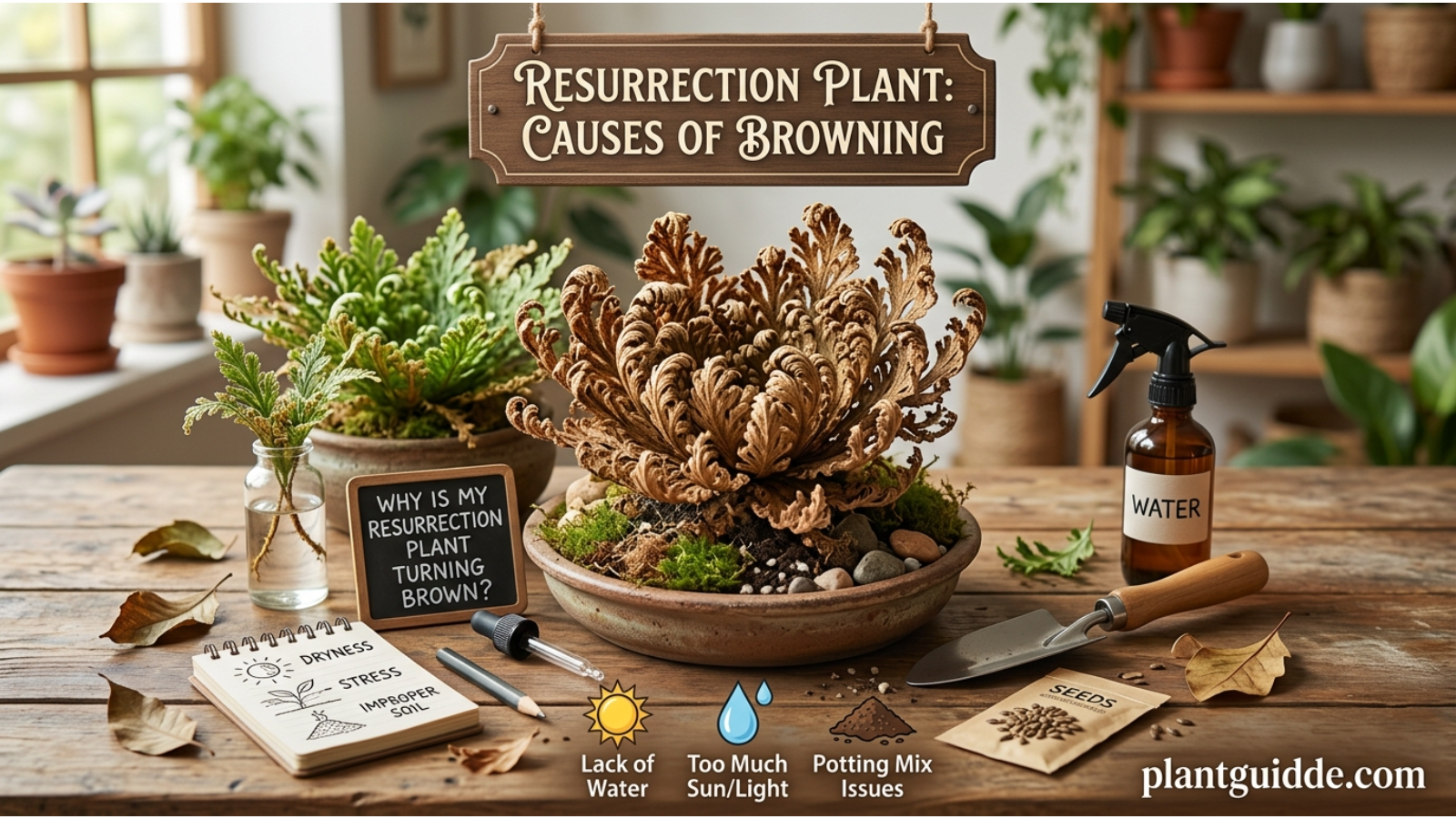
Why Is My Resurrection Plant Turning Brown?
Brown foliage is not automatically a sign of failure because a resurrection plant naturally becomes brown and curled when dehydrated.
The important question is when the browning occurs.
If the plant becomes brown while completely dry and later turns green after hydration, that can be part of its normal cycle.
If portions remain brown, mushy, black, or deteriorated while the plant is wet, excessive moisture or tissue damage may be involved.
What to check
- Is the plant sitting in water continuously?
- Does the container drain properly?
- Is there adequate airflow?
- Is the plant exposed to excessive heat?
- Does it actually reopen after hydration?
These observations are more useful than judging the plant’s health by color alone.
Why Is My Resurrection Plant Turning Black or Mushy?
Black, soft, or mushy tissue is more concerning than ordinary dry browning.
It can indicate decay, particularly when the plant has remained wet for an extended period.
The first step is to stop unnecessary watering and improve drainage and airflow. If the plant is growing in a container, make sure excess water can escape freely.
Do not assume that a plant famous for “coming back to life” can recover indefinitely from rot. Its dehydration tolerance does not make it immune to prolonged wet conditions.
Common Resurrection Plant Care Mistakes
Keeping it permanently submerged
This is one of the most common mistakes with commercially sold resurrection plants.
The plant may look impressive sitting in water while it opens, but prolonged saturation can create conditions for decay.
Watering on a fixed schedule
The plant’s natural biology makes a rigid weekly watering routine unnecessary.
Pay attention to whether you are intentionally rehydrating the plant or maintaining it during an active growth period.
Using intense direct sunlight
A hot sunny windowsill can cause excessive heat and rapid moisture loss, particularly in a shallow container.
Using poor drainage
If you are growing the plant in soil, drainage matters. A decorative container without adequate drainage can become a reservoir for excess moisture.
Assuming every dried plant is alive
The resurrection effect is impressive, but it is not magic. A plant that has been severely damaged or died will not necessarily recover simply because it is placed in water.
Overhandling the plant
Repeatedly moving, squeezing, or unfolding the dried stems can cause unnecessary mechanical damage. Let hydration do most of the work naturally.
How to Keep a Resurrection Plant Healthy Long Term
If your goal is more than simply watching the plant reopen once, focus on recreating a cycle of hydration followed by drying.
A practical routine is:
- Provide bright, indirect light.
- Hydrate the plant thoroughly when you want it active.
- Give it time to absorb the moisture naturally.
- Remove excess standing water.
- Maintain reasonable airflow.
- Allow the plant to dry rather than keeping it continuously wet.
- Inspect the stems periodically for soft, dark, or deteriorating tissue.
For a soil-grown specimen, use a fast-draining medium and water according to the condition of the growing medium rather than a calendar.
The key is not to make the plant constantly comfortable and wet. Its natural adaptation is built around surviving periods of dryness.
Resurrection Plant Care vs. Rose of Jericho
These plants are often confused because both are marketed using resurrection-related names.
| Feature | Resurrection Plant | True Rose of Jericho |
|---|---|---|
| Common botanical name | Selaginella lepidophylla | Anastatica hierochuntica |
| Plant group | Spike moss | Flowering plant |
| Resurrection behavior | Curls when dry and unfolds when hydrated | Rolls/curls into a dry form |
| Common confusion | Often called false rose of Jericho | Often marketed simply as rose of Jericho |
| Care considerations | Avoid prolonged saturation | Care differs because it is a different species |
If you purchased a product labeled only “Rose of Jericho,” check the botanical name before following a care guide. The name on the package may not tell you which plant you actually have.
Is a Resurrection Plant Good for Beginners?
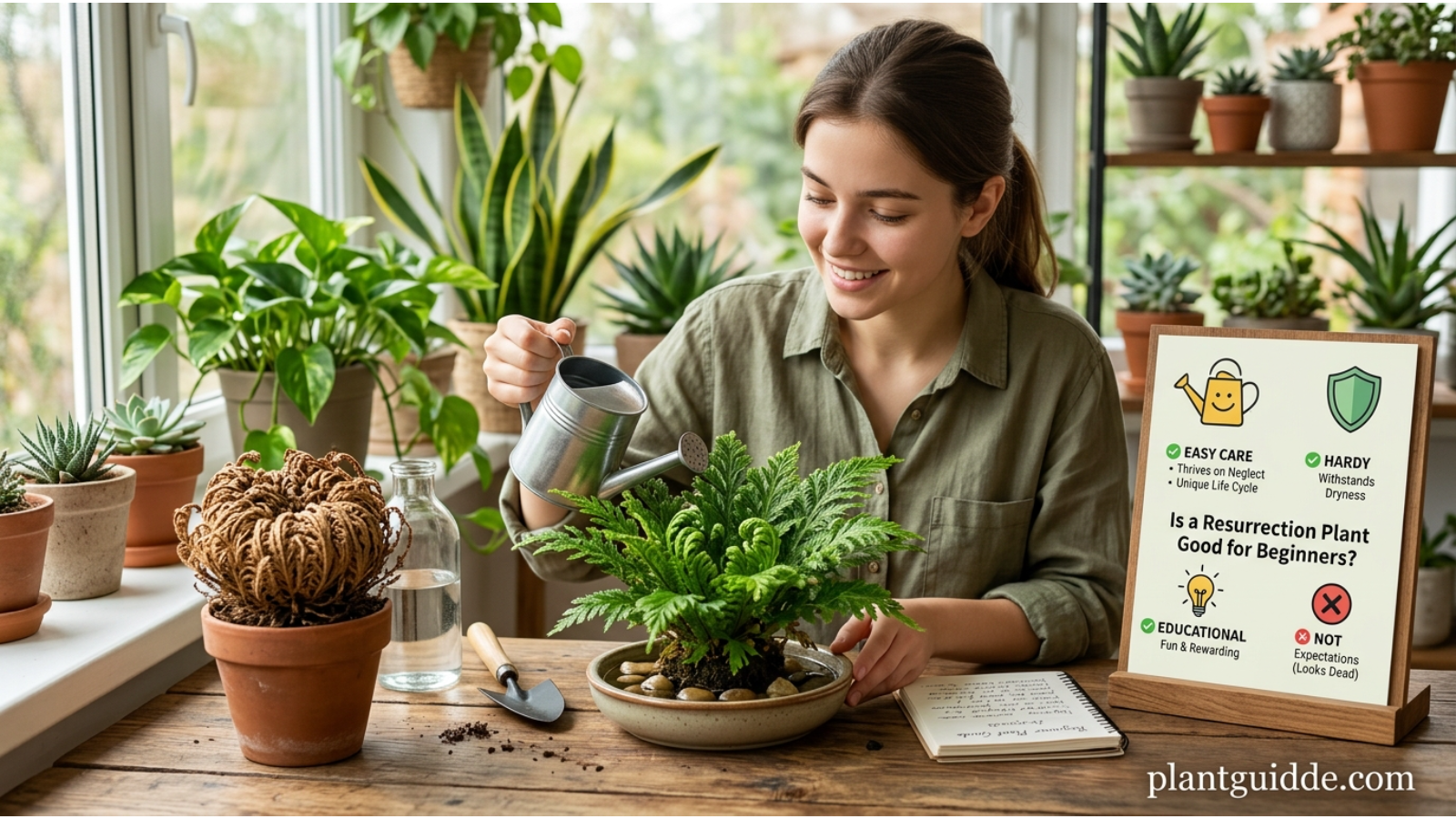
Yes, especially for someone interested in unusual plants and natural plant adaptations.
Its biggest advantage is that it does not behave like a typical houseplant. You do not need to worry about maintaining a perfectly consistent watering routine just to prevent immediate wilting.
However, beginners should understand one important distinction:
The plant tolerates extreme dryness; that does not mean it benefits from constant neglect or constant moisture.
The easiest way to care for it is to respect its natural wet-and-dry cycle.
FAQs:
How long does it take a resurrection plant to open?
A healthy dried specimen may begin opening after hydration and can continue unfolding over several hours. The exact response depends on its condition, how thoroughly it has dried, temperature, and available moisture.
Can a resurrection plant live in water permanently?
It is better not to keep Selaginella lepidophylla permanently submerged. While water triggers its dramatic reopening, prolonged saturation can increase the risk of decay. Allow the plant to dry between hydration cycles.
Does a resurrection plant need sunlight?
It needs light when actively growing, but bright indirect light is generally a safer indoor choice than intense direct sun. Avoid exposing a shallow water container to strong heat from a hot window.
How do I know if my resurrection plant is still alive?
A living specimen should show some response to adequate hydration. If it remains completely unchanged after reasonable hydration and appropriate conditions, or if the tissues are severely deteriorated, the specimen may no longer be viable.
Can I grow a resurrection plant indoors?
Yes. Indoor growing can work well when the plant receives bright indirect light, appropriate moisture, good airflow, and excellent drainage. A container that allows excess water to escape is particularly important if you are growing it in a medium rather than using it as a temporary display.
Conclusion
Good resurrection plant care is less about frequent attention and more about understanding the plant’s unusual survival strategy. Selaginella lepidophylla naturally alternates between a dry, curled state and a hydrated, open state, so allowing it to dry is not automatically a problem.
For the healthiest results, provide bright indirect light, hydrate it when appropriate, avoid prolonged standing water, and give it time to dry between cycles. If you want to grow it long term rather than simply display a dried specimen, prioritize drainage and airflow as much as moisture.
The simplest rule to remember is this: rehydrate the resurrection plant when needed, but do not confuse its ability to survive drought with a need to live permanently in water.

Asad Mumtaz is a dedicated plant enthusiast and gardening writer with a passion for helping people care for their plants successfully. He specializes in plant care guides, indoor gardening, and practical growing tips for all skill levels. His content focuses on making gardening simple, enjoyable, and rewarding. Through his work, Asad shares reliable advice to help readers create thriving green spaces.