Jalapeno plant care peppers are relatively easy to grow once their basic needs are understood. They are warm-season plants that reward gardeners with a steady supply of crisp, moderately hot peppers when given enough sunlight, warmth, moisture, and nutrients.
The biggest problems usually come from treating jalapenos like ordinary leafy garden plants. Watering too frequently, growing them in heavy soil, providing too little sunlight, or moving plants between very different conditions can lead to weak growth, flower loss, yellow leaves, or disappointing harvests.
Good jalapeno plant care is less about following a rigid schedule and more about watching the plant, soil, weather, and developing fruit.
Quick Answer
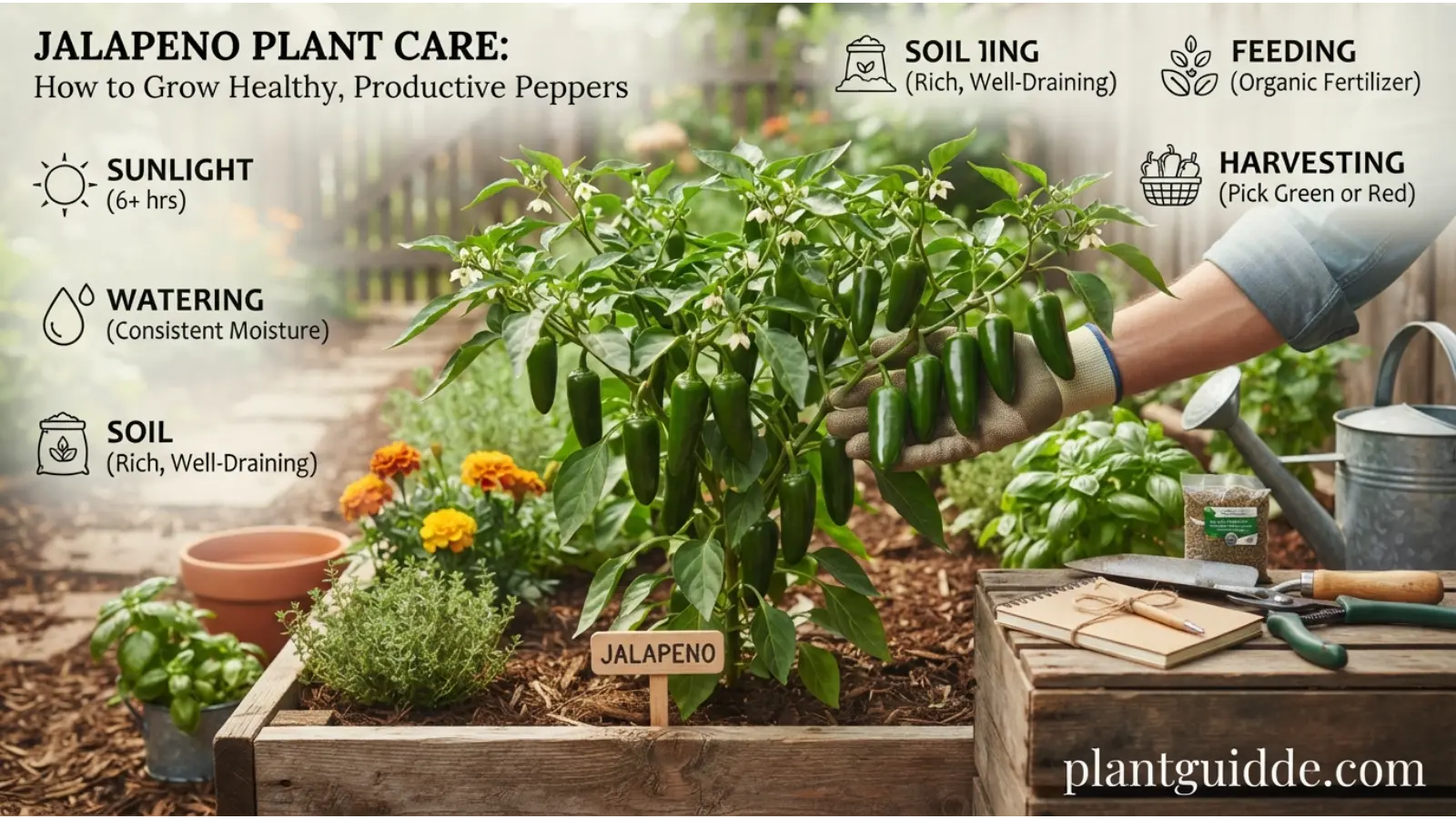
Jalapeno plant care comes down to strong sunlight, warm temperatures, well-draining fertile soil, consistent moisture, and regular harvesting. Give jalapenos at least 6–8 hours of direct sunlight, water when the top layer of soil begins to dry, avoid soggy roots, and feed plants during active growth. Consistent conditions help prevent blossom drop, yellow leaves, slow growth, and poor fruit production.
Understanding Jalapeno Plants
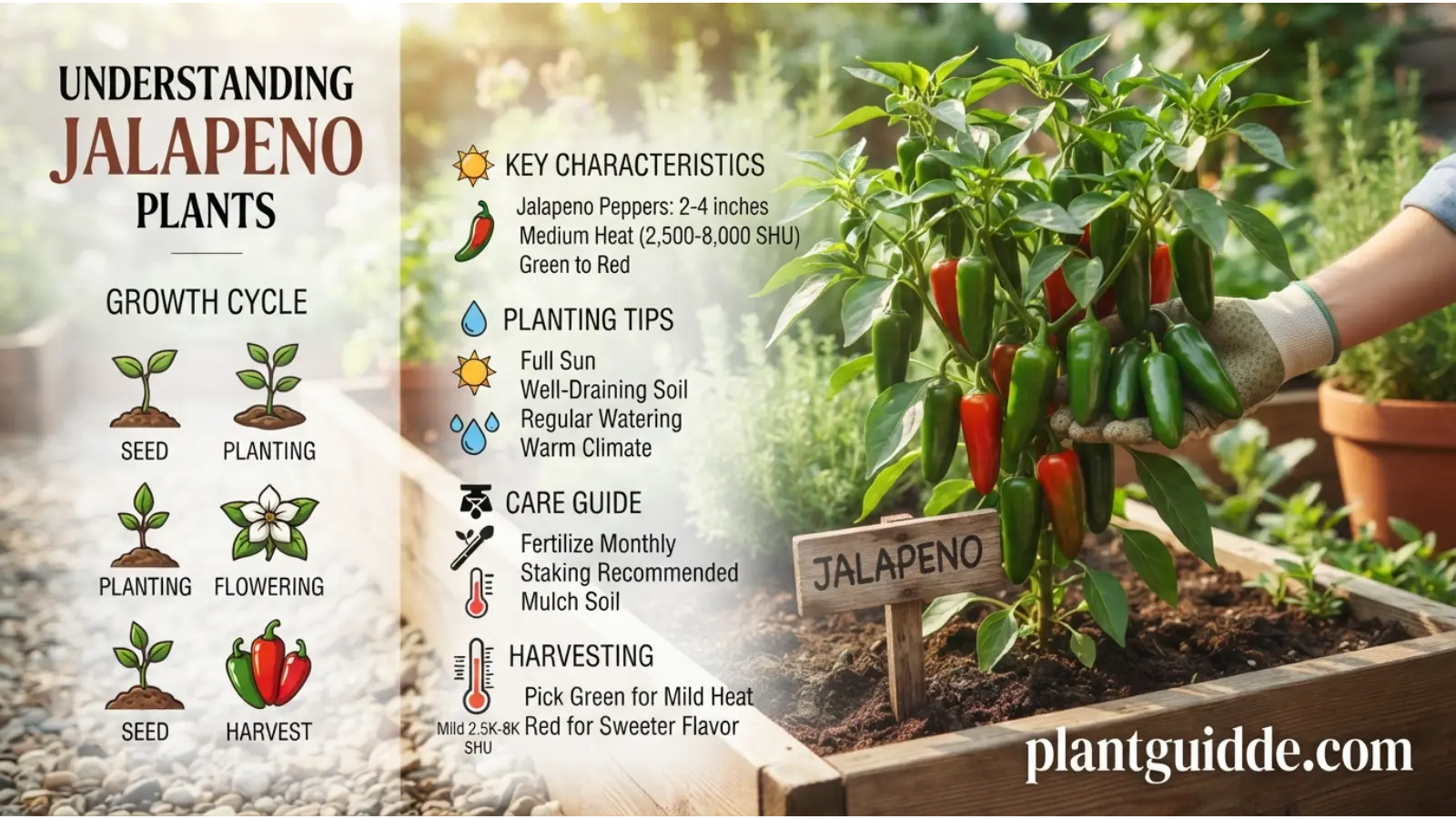
Jalapeno (Capsicum annuum) is a warm-season pepper commonly grown as an annual in cooler climates. The plants produce compact, bushy growth with green foliage and elongated fruits that are typically harvested while green, although they can mature to red if left on the plant longer.
Jalapenos need warmth to grow well. Cold soil, chilly nights, prolonged wet conditions, and sudden environmental changes can slow development even when the plant otherwise looks healthy.
A productive plant generally needs:
- Full sun
- Warm temperatures
- Fertile, well-draining soil
- Consistent moisture
- Good airflow
- Adequate nutrition
- Regular harvesting
The goal is not simply to keep the plant alive. Good growing conditions encourage strong stems, healthy foliage, flowering, fruit development, and continued production.
How Much Sunlight Do Jalapeno Plants Need?
Jalapenos grow best in full sun, generally receiving at least 6–8 hours of direct sunlight each day.
More light usually means stronger growth and better fruit production, provided the plant also has adequate water.
Place container-grown jalapenos in the sunniest practical location, such as:
- A south-facing garden bed
- A sunny balcony
- A bright patio
- A greenhouse with adequate ventilation
- A sunny raised bed
Insufficient light can produce thin, stretched growth and fewer flowers. If a plant is receiving only a few hours of weak sunlight each day, increasing light exposure may be more effective than adding fertilizer.
Protect plants from extreme heat
Strong sunlight is beneficial, but extremely hot conditions can create a different problem. During periods of intense heat, flowers may drop before producing peppers, particularly when plants are also experiencing water stress.
Keep the soil evenly moist and provide adequate airflow. In exceptionally hot locations, some afternoon protection may help prevent excessive heat stress while still maintaining plenty of sunlight.
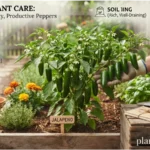
Best Soil for Jalapeno Plants
Jalapenos need soil that holds enough moisture for healthy growth without remaining saturated around the roots.
A good growing medium should be:
- Fertile
- Loose and well-draining
- Rich in organic matter
- Slightly acidic to neutral
- Able to retain some moisture without becoming waterlogged
Heavy compacted soil can restrict roots and hold excessive water. Poor drainage is particularly troublesome because constantly wet roots can become stressed and vulnerable to root problems.
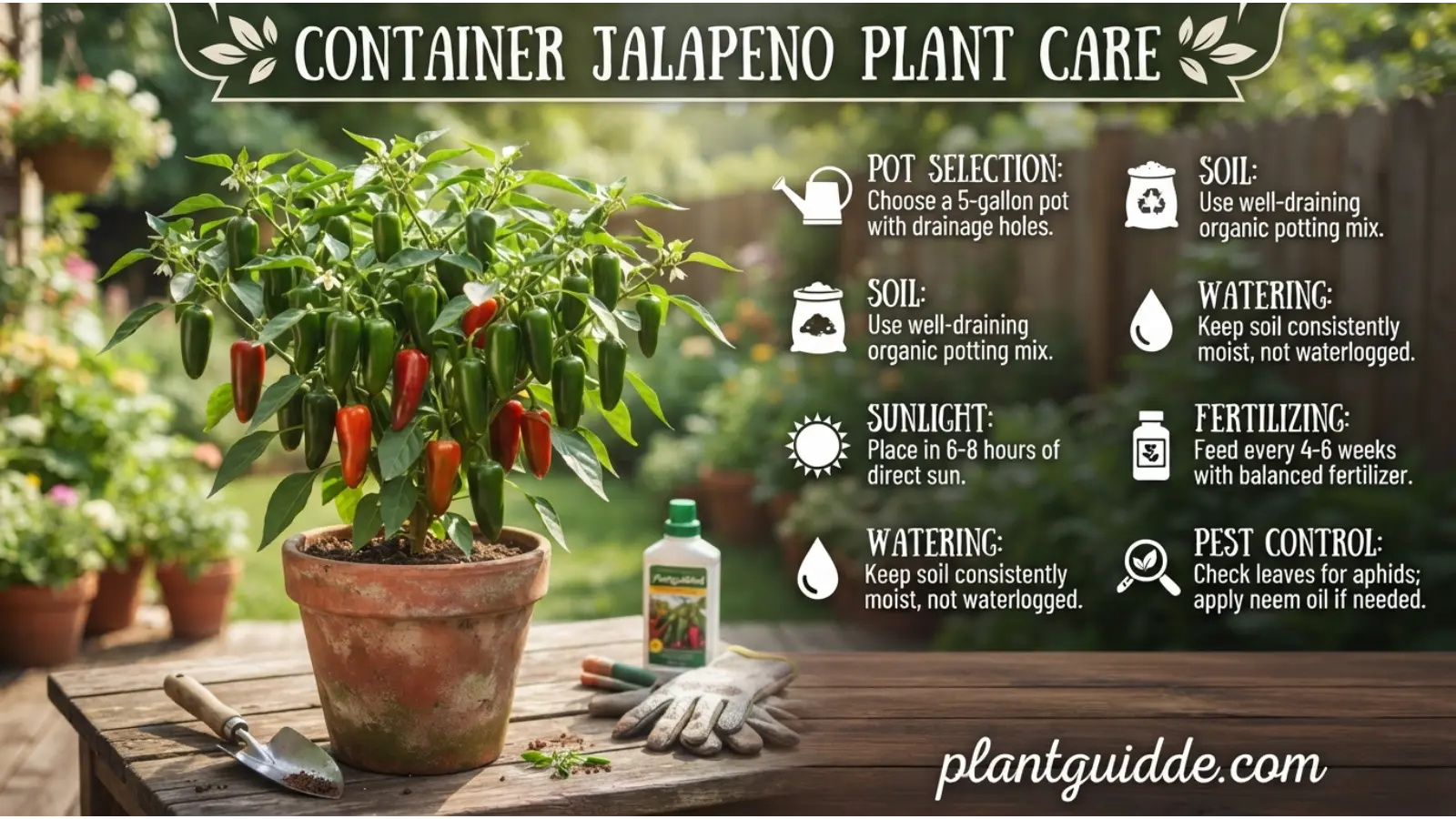
For containers, use a quality potting mix rather than ordinary garden soil alone. Make sure the container has drainage holes.
Adding mature compost can improve soil structure and provide organic matter, but avoid creating an excessively rich, poorly draining mixture.
How to Water Jalapeno Plants
Watering is one of the most important parts of jalapeno plant care.
Jalapenos prefer consistent moisture, especially while flowering and producing fruit. However, consistently saturated soil is not the same thing as adequate moisture.
Instead of watering automatically every day, check the soil first.
A practical watering method
- Feel the upper layer of soil.
- If it is beginning to dry, check deeper around the root zone.
- Water thoroughly when the plant needs it.
- Allow excess water to drain away.
- Check the soil again before watering next time.
The exact frequency depends on temperature, container size, soil, rainfall, plant size, and sunlight.
A small pot sitting in intense summer sun may need water much more frequently than a large garden bed.
Signs of inconsistent watering
Jalapeno plants experiencing water stress may show:
- Wilting leaves
- Drooping foliage
- Flower drop
- Slow fruit development
- Dry or brittle soil
- Prematurely yellowing leaves
A wilted plant does not automatically mean it needs more water. If the soil is already wet, adding more water can make the underlying problem worse.
Practical tip: Check the soil before reaching for the watering can. The plant’s appearance and the soil’s moisture level should be considered together.
Temperature and Humidity Requirements
Jalapenos are warm-season peppers and perform best when temperatures remain comfortably warm.
Cold conditions can slow germination, root activity, flowering, and fruit development. Frost can severely damage or kill plants.
For outdoor growing, wait until the danger of frost has passed and the soil has warmed.
Extremely high temperatures can also interfere with flowering and fruit set. During heat waves, focus on consistent watering, healthy roots, mulch, and good airflow.
Humidity does not need to be artificially high for most outdoor jalapeno plants. In humid climates, airflow becomes especially important because dense, persistently damp foliage can encourage disease.
Fertilizing Jalapeno Plants
Jalapenos need nutrients for leaf growth, flowering, and fruit development, but more fertilizer is not always better.
A balanced fertilizer can support early growth, while excessive nitrogen can encourage lush foliage at the expense of fruit production.
When fertilizing:
- Follow the product’s recommended dilution and frequency.
- Avoid repeatedly applying fertilizer to already nutrient-rich soil.
- Water appropriately after applying granular fertilizer.
- Consider soil testing if plants repeatedly perform poorly despite good light and watering.
Once plants begin flowering and producing peppers, avoid assuming that increasingly heavy nitrogen applications will automatically create a larger harvest.
Healthy roots, adequate sunlight, consistent moisture, and balanced nutrition work together.
Do Jalapeno Plants Need Pruning?
Jalapenos do not require aggressive pruning to produce peppers.
Young plants can naturally develop a branching structure that supports fruit production. Removing excessive healthy foliage can reduce the plant’s ability to capture sunlight.
Light pruning may be useful for:
- Removing dead or damaged growth
- Improving airflow in very dense plants
- Removing diseased material
- Managing container plants when necessary
Always use clean cutting tools when pruning and avoid removing large amounts of healthy growth at once.
How to Encourage More Jalapenos
If your plant is growing leaves but producing few peppers, look at the growing conditions before immediately adding more fertilizer.
Check these factors:
| Problem | What to check |
|---|---|
| Lots of leaves, few flowers | Excess nitrogen, insufficient light, or environmental stress |
| Flowers falling | Heat, cold, water stress, or poor fruit set conditions |
| Small peppers | Limited light, nutrition, moisture stress, or plant age |
| Slow growth | Cold temperatures, poor roots, insufficient light, or nutrient issues |
| Yellow leaves | Overwatering, poor drainage, nutrient problems, or natural aging |
| Wilting | Underwatering, heat stress, or damaged/problematic roots |
Jalapenos can self-pollinate, but flowers still depend on suitable environmental conditions for successful fruit development.
If you are growing peppers indoors or in a sheltered area with little natural movement, gently shaking flowering branches can help distribute pollen.
Container Jalapeno Plant Care
Jalapenos grow very well in containers, making them useful for balconies, patios, and small gardens.
Choose a container with:
- Adequate drainage holes
- Enough volume for the plant’s root system
- Stable construction that will not tip easily
- Quality potting mix
Container plants usually dry out faster than plants growing in the ground. During hot weather, check them more frequently.
Do not compensate for rapid drying by using a container without drainage. The solution is usually a more appropriate pot size, quality growing medium, mulch, or more frequent monitoring.
Container placement matters
A container placed against a hot wall or on a heat-absorbing surface can experience much higher root-zone temperatures than a plant in the ground.
During severe heat, monitor the container carefully and protect the roots from extreme temperature swings where necessary.
When to Harvest Jalapenos
Jalapenos can be harvested at different stages depending on your preference.
Green jalapenos are commonly picked while the fruits are firm and have reached a useful size. If allowed to remain on the plant, they can continue maturing and eventually develop red coloration.
Regular harvesting can encourage continued production because the plant does not have to maintain fully mature fruit for as long.
Use clean scissors or pruners when harvesting if the stem is difficult to remove by hand. Avoid pulling aggressively, as this can damage branches.
Why Are My Jalapeno Leaves Turning Yellow?
Yellow leaves can have several causes, so the color alone does not identify the problem.
Overwatering
Frequently wet soil can deprive roots of adequate oxygen and create poor root conditions.
Check whether the soil remains wet for an unusually long time.
Poor drainage
Even if you do not water frequently, compacted soil or a container without adequate drainage can keep roots too wet.
Nutrient problems
Nutrient deficiencies can cause yellowing, but fertilizer should not be the first response without considering soil, roots, light, and watering.
Natural aging
Older leaves occasionally yellow and decline as part of normal plant development. If only a few older leaves are affected while new growth remains healthy, the situation may be less concerning.
Why Is My Jalapeno Plant Wilting?
Wilting usually indicates water stress, but the cause can be either too little water or a root-related problem.
Check the soil first.
Jalapeno plant care the soil is dry: water thoroughly and monitor how quickly it dries afterward.
Jalapeno plant care the soil is wet: do not automatically add more water. Inspect drainage and consider whether the roots have been kept excessively wet.
Jalapeno plant care the plant wilts mainly during extreme afternoon heat: temporary heat stress may be involved, especially if the plant recovers later when temperatures fall.
Persistent wilting despite moist soil deserves closer attention because damaged roots cannot always absorb water normally.
Why Are Jalapeno Flowers Falling Off?
Flower drop is frustrating because a plant can look healthy while producing very few peppers.
Common environmental causes include:
- Excessive heat
- Cold temperatures
- Water stress
- Sudden changes in growing conditions
- Poor plant nutrition
- Insufficient sunlight
Avoid reacting by dramatically changing several conditions at once. Look for the most obvious stress factor and correct it gradually.
For example, if the plant sits in intense heat and the soil repeatedly becomes bone dry, improving moisture consistency may be more useful than immediately applying additional fertilizer.
Common Jalapeno Growing Mistakes
Watering on a fixed schedule
A calendar cannot account for changing weather, pot size, rainfall, or soil conditions.
Better approach: Check the soil and adjust watering according to actual conditions.
Using poorly draining soil
Roots need moisture, but they also need access to oxygen.
Better approach: Use a loose, well-draining growing medium.
Giving too little sunlight
A bright indoor room may still provide much less usable light than an outdoor sunny location.
Better approach: Give jalapenos a genuinely sunny growing position whenever possible.
Overfertilizing
More fertilizer does not automatically mean more peppers.
Better approach: Follow a sensible feeding program and focus on overall growing conditions.
Ignoring the weather
Jalapenos are warm-season plants. Cold snaps and extreme heat can affect flowering and fruit development.
Better approach: Adapt watering, placement, and protection to current weather.
Harvesting by color alone
A pepper does not have to turn red before it can be harvested.
Better approach: Harvest according to the size, firmness, color, and flavor you prefer.
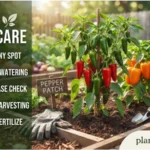
A Simple Jalapeno Plant Care Routine
For beginners, a simple routine is often more useful than a complicated schedule.
Every few days:
Check the soil moisture, especially during hot weather.
Weekly:
Inspect leaves, stems, flowers, and developing peppers for signs of stress, pests, or disease.
During active growth:
Monitor nutrition and make sure the plant continues receiving sufficient sunlight.
During flowering:
Pay close attention to heat, watering consistency, and sudden environmental changes.
During harvest:
Pick mature peppers regularly and remove damaged fruit.
After extreme weather:
Inspect the plant for wilt, broken branches, sun damage, water stress, or flower loss before changing your normal routine.
Pests and Disease Problems
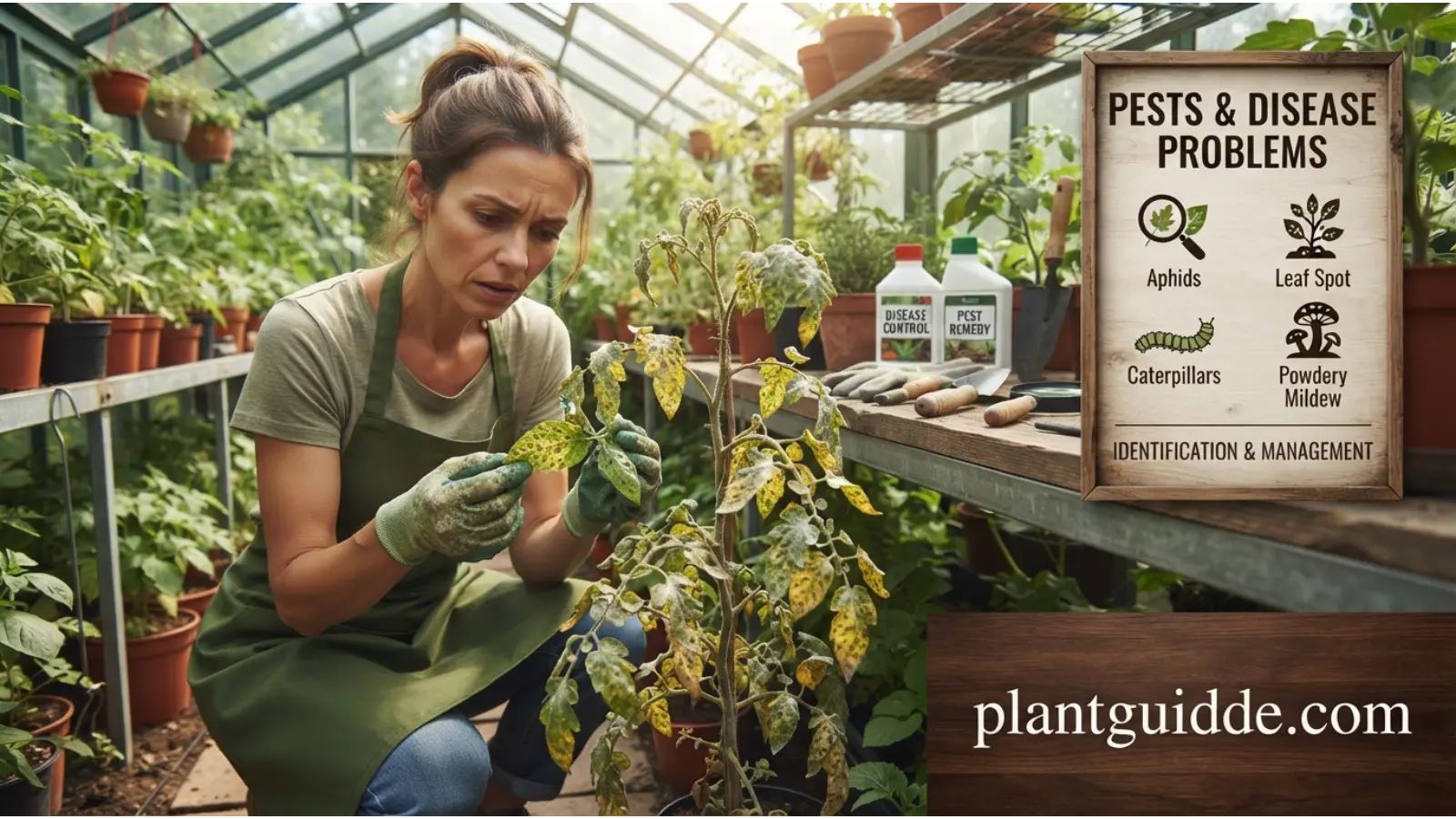
Healthy jalapeno plants can still attract pests. Regular inspection is often more useful than waiting until damage becomes severe.
Look underneath leaves and around new growth for insects or distorted foliage.
Potential problems can include:
- Aphids
- Whiteflies
- Spider mites
- Caterpillars
- Fungal or bacterial diseases under favorable conditions
Good airflow, proper spacing, appropriate watering, and removing badly damaged plant material can help reduce some problems.
Avoid treating every discolored leaf as a pest infestation. First determine whether the symptom is consistent with watering, nutrition, temperature, or another environmental issue.
FAQs:
How often should you water a jalapeno plant?
Water when the soil begins to dry rather than following a strict daily schedule. Water thoroughly when needed, then allow excess moisture to drain. Hot weather, small containers, and intense sunlight can increase watering frequency.
Do jalapenos need full sun?
Yes. Jalapenos generally perform best with at least 6–8 hours of direct sunlight daily. Insufficient light can lead to weak growth and reduced flowering and fruit production.
Why is my jalapeno plant flowering but not producing peppers?
Flower drop can result from excessive heat, cold, inconsistent watering, insufficient light, or other environmental stress. Check growing conditions before increasing fertilizer.
Should I pick jalapenos when they are green?
Yes. Green jalapenos are commonly harvested while they are firm and mature enough to use. You can also leave some peppers on the plant longer if you prefer fully mature red jalapenos.
Can jalapenos grow in pots?
Yes. Jalapenos are well suited to container growing when provided with adequate sunlight, a suitable container, quality well-draining potting mix, consistent moisture, and sufficient nutrients.
Conclusion
Successful jalapeno plant care is mainly about consistency: plenty of sunlight, warm conditions, fertile but well-draining soil, appropriate watering, and balanced nutrition. Instead of watering or fertilizing automatically, pay attention to what the plant and soil are showing you.
If your jalapeno is struggling, start with the basics, light, moisture, drainage, temperature, and roots, before making major changes. Once those conditions are stable, regular harvesting can help you enjoy a longer and more productive pepper season.

Asad Mumtaz is a dedicated plant enthusiast and gardening writer with a passion for helping people care for their plants successfully. He specializes in plant care guides, indoor gardening, and practical growing tips for all skill levels. His content focuses on making gardening simple, enjoyable, and rewarding. Through his work, Asad shares reliable advice to help readers create thriving green spaces.