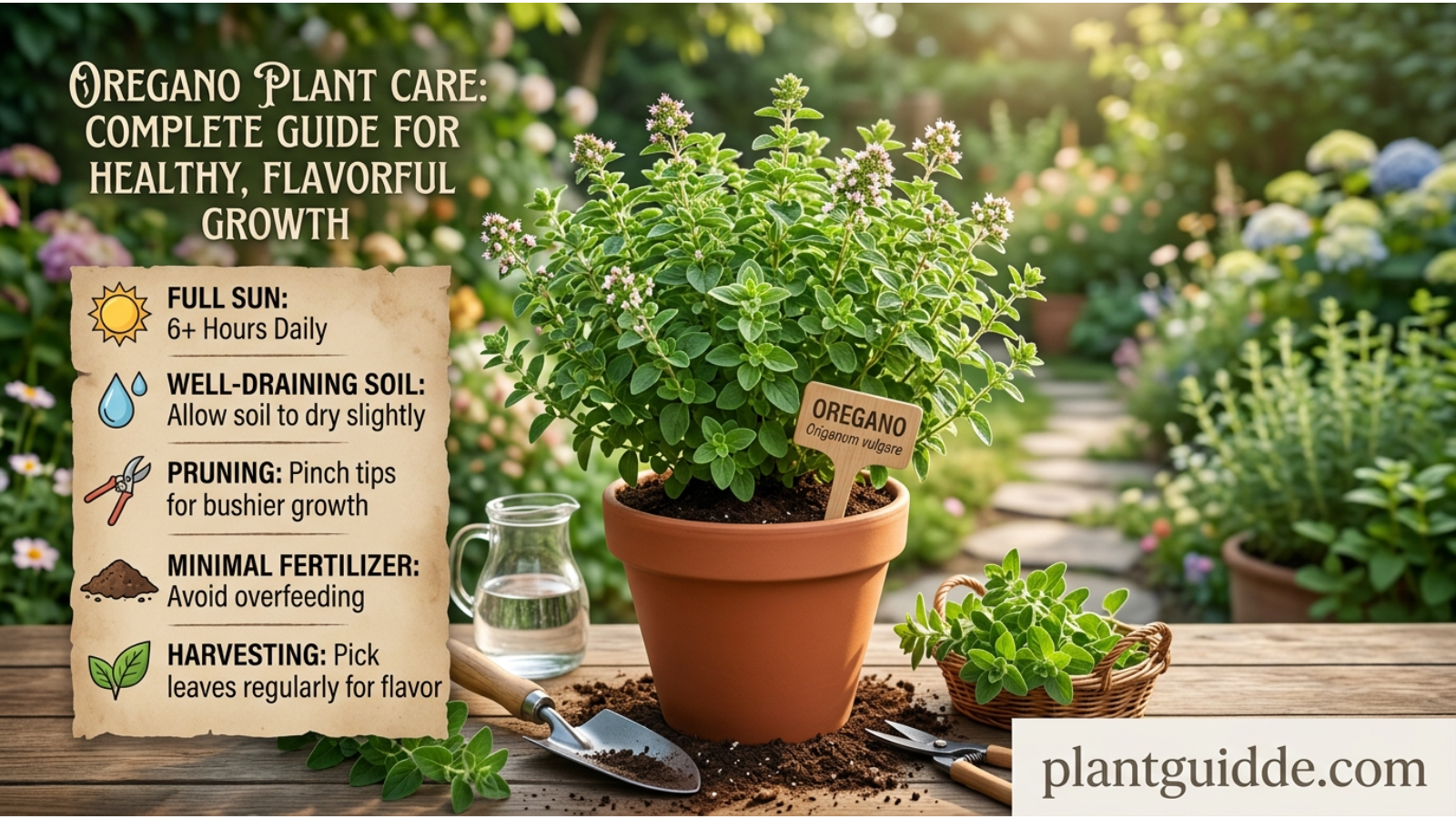
Oregano plant care is one of those herbs that rewards you for not overdoing it. It grows best when exposed to plenty of sunlight, moderate watering, and soil that drains quickly rather than staying constantly moist.
Oregano plant care you are growing oregano in a garden bed, container, herb garden, or sunny windowsill, the basic requirements remain surprisingly simple.
The challenge is that oregano can look healthy for a while even when its growing conditions are wrong. Too much water may eventually cause yellow leaves, weak stems, or root problems, while insufficient sunlight often produces thin, stretched growth with less flavorful foliage. Good oregano plant care is therefore less about constant attention and more about getting the growing environment right.
Quick Answer
Oregano plant care is relatively easy because oregano prefers conditions that are warm, sunny, and fairly dry. Give it at least 6–8 hours of bright sunlight, use loose, well-draining soil, water only when the upper soil dries, and avoid heavy feeding. Regular harvesting encourages bushier growth, while good airflow helps prevent fungal problems. The most common mistake is keeping oregano too wet.
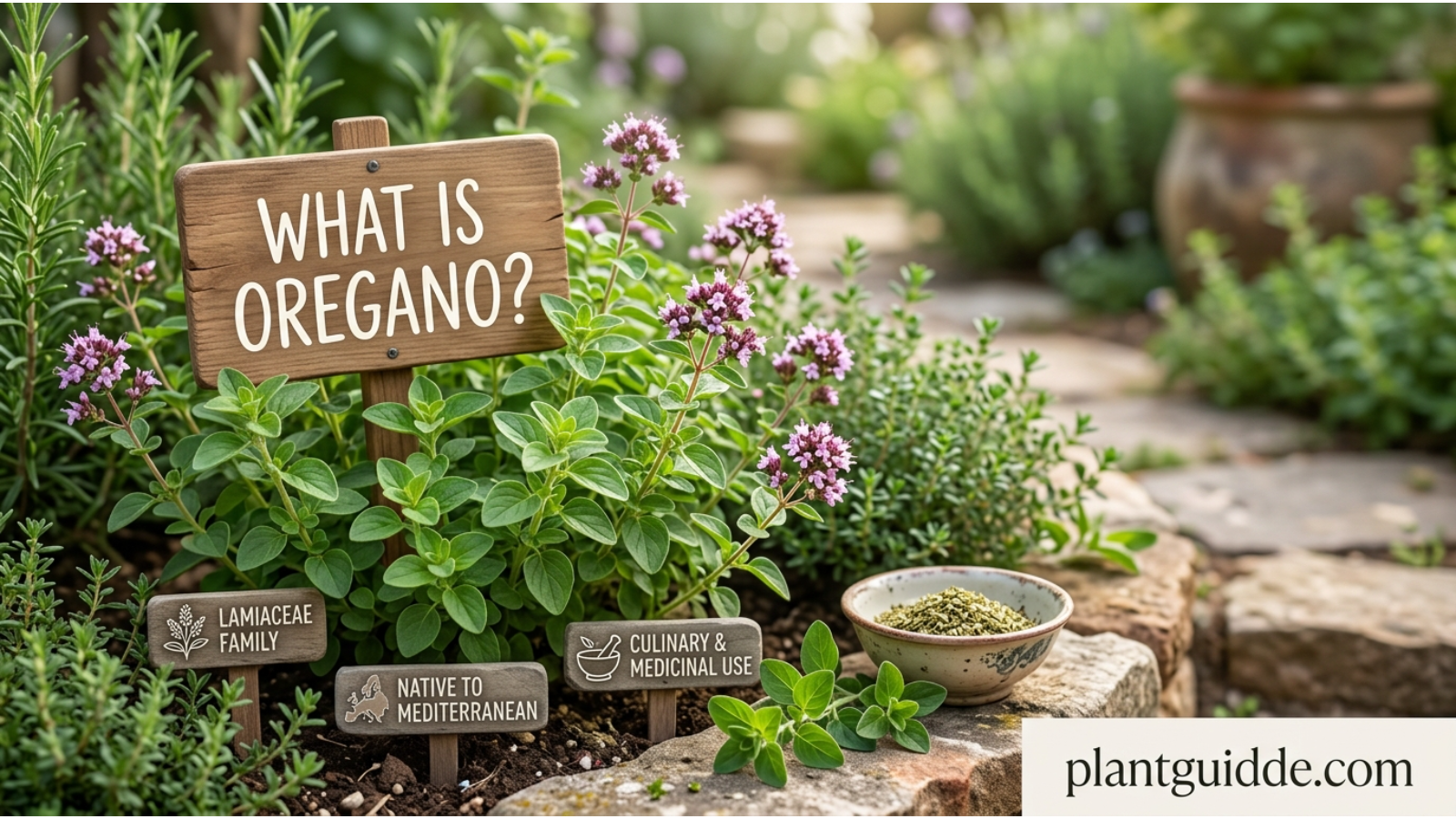
What Is Oregano?
Oregano is a perennial herb in the mint family, Lamiaceae. The name oregano commonly refers to Origanum vulgare, although several related Origanum species and cultivars are grown as culinary herbs.
Oregano is valued for its strongly aromatic leaves, which are commonly used in Mediterranean and Italian-style cooking. Fresh leaves can be added to sauces, vegetables, marinades, salads, and meat dishes, while dried oregano has a more concentrated flavor and stores well.
The plant typically develops branching stems covered with small leaves. When grown under strong light and allowed to dry somewhat between waterings, oregano can become a compact, bushy herb rather than a weak, floppy plant.
Oregano Plant Care at a Glance
| Care Requirement | Best Condition |
|---|---|
| Light | 6–8+ hours of bright sunlight |
| Soil | Loose, well-draining soil |
| Water | Water when the upper soil begins to dry |
| Humidity | Average household humidity is usually sufficient |
| Temperature | Warm conditions with good airflow |
| Fertilizer | Light feeding; avoid excessive nitrogen |
| Pruning | Regular harvesting and trimming |
| Pot | Container with drainage holes |
| Soil pH | Slightly acidic to neutral |
| Main Problem | Overwatering and poor drainage |
How Much Sunlight Does Oregano Need?
Oregano grows best in full sun, generally receiving around 6–8 hours of direct sunlight each day.
Strong light does more than keep the plant growing. It helps oregano develop compact stems and aromatic foliage. When light is inadequate, the plant may stretch toward a window, develop larger gaps between leaves, and produce weaker growth.
Growing oregano indoors
Place indoor oregano near the brightest window available, ideally a south- or west-facing window where it can receive several hours of direct sunlight.
Oregano plant care natural light is weak, particularly during winter or in a room with limited windows, a quality grow light can help maintain compact growth.
Watch the plant rather than relying only on the position of the window. If stems become unusually long and sparse, the plant is probably asking for more light.
Can oregano grow in partial shade?
Oregano can tolerate some partial shade, but growth and flavor are usually better with stronger light. A few hours of gentle morning sun can be useful in hot climates, while intense afternoon conditions may require some protection if the plant begins showing heat stress.
For culinary oregano, more usable sunlight generally means better growth.
The Best Soil for Oregano
Oregano prefers soil that drains quickly and does not remain saturated around its roots.
A heavy, compact soil can create problems because water moves slowly through it. Even though oregano needs moisture to grow, its roots should not remain surrounded by wet soil for long periods.
A suitable container mix can include:
- Quality potting soil
- Coarse material such as perlite or pumice
- Compost in a modest amount
The goal is not to create extremely rich soil. Oregano naturally performs well in relatively lean, well-drained conditions.
Why drainage matters so much
If water sits around the roots repeatedly, oxygen availability in the root zone decreases. Over time, roots can become damaged, making the plant increasingly unable to absorb water and nutrients.
This creates a confusing situation: a plant sitting in wet soil may eventually wilt because its damaged roots cannot function properly.
That is why wilting does not always mean an oregano plant needs more water.
How to Water Oregano
Water oregano thoroughly when the upper portion of the soil has dried, then allow excess water to drain away completely.
Instead of following a rigid watering schedule, check the soil first.
Insert your finger into the soil or lift the container to judge its moisture level. If the surface has dried and the soil is beginning to dry farther down, it is usually time to water.
When watering:
- Water slowly and thoroughly.
- Make sure water reaches the root zone.
- Allow excess water to escape through the drainage holes.
- Empty standing water from a saucer.
- Wait until the soil dries appropriately before watering again.
How often should you water oregano?
There is no single correct schedule because watering frequency depends on temperature, sunlight, pot size, soil composition, airflow, and whether the plant is indoors or outdoors.
A small oregano pot in strong summer sun may need water much more frequently than a larger container in a cool indoor room.
Check the soil rather than watering by calendar.
Signs of overwatering
Common signs include:
- Yellowing leaves
- Soft or weak stems
- Leaves dropping unexpectedly
- Soil that remains wet for a long time
- A sour or unpleasant soil smell
- Slow growth
- Dark or damaged roots in severe cases
If these symptoms appear, check the root zone before simply adding more water.
Signs of underwatering
An oregano plant that is genuinely too dry may show:
- Limp leaves
- Dry or crispy foliage
- Drooping stems
- Very dry soil pulling away from the container
- Rapid recovery after thorough watering
The distinction between overwatering and underwatering is important because treating the wrong problem can make the plant worse.
Best Temperature and Humidity for Oregano
Oregano generally prefers warm growing conditions and performs well in ordinary household temperatures when grown indoors.
Good airflow is especially valuable because dense, stagnant conditions combined with wet foliage can encourage disease.
Oregano does not usually require the high humidity levels that tropical houseplants need. In fact, excessively humid conditions combined with poor airflow can create more problems than benefits.
For indoor oregano, focus on:
- Bright light
- Moderate watering
- Good drainage
- Air circulation
- Avoiding consistently wet foliage
How to Fertilize Oregano
Oregano does not need heavy fertilization.
Too much fertilizer, particularly excessive nitrogen, can encourage soft, leafy growth rather than the compact, aromatic growth many gardeners want.
If the plant is growing in reasonably fertile soil, a light feeding during active growth may be sufficient.
For container-grown oregano, a diluted balanced fertilizer used occasionally during the growing season can provide nutrients without encouraging excessive growth.
Avoid the temptation to fertilize every time you water. More fertilizer does not automatically produce a healthier herb.
How to Prune Oregano
Regular harvesting is one of the easiest ways to keep oregano compact and productive.
Instead of allowing long stems to become woody and sparse, pinch or cut growing tips above a healthy pair of leaves. This encourages branching lower down the stem.
A simple pruning routine
- Harvest young stems regularly.
- Cut just above a leaf node.
- Remove weak, damaged, or dead growth.
- Avoid removing too much foliage at once.
- Allow the plant to maintain enough leaves for continued growth.
If oregano becomes leggy, stronger pruning can help rejuvenate the plant, provided enough healthy growth remains.
Should you let oregano flower?
You can allow oregano to flower if you want to enjoy its small blooms or attract pollinators. However, if your primary goal is tender culinary foliage, regular harvesting before or around flowering can help maintain useful leafy growth.
Older flowering stems may also become more fibrous, so many cooks prefer harvesting younger growth.
How to Harvest Oregano Without Weakening the Plant
Harvesting correctly can actually improve the shape of an oregano plant.
Use clean scissors or pruning shears to cut stems rather than repeatedly stripping individual leaves from random locations.
For regular cooking, harvest the top few inches of healthy stems. Avoid removing so much foliage that the plant is left bare.
For the strongest flavor, many gardeners harvest stems before full flowering, although flavor preference varies between plants and cultivars.
Fresh oregano can be used immediately, while excess stems can be dried for later use.
How to Grow Oregano in a Pot
Oregano is particularly well suited to container growing.
Choose a pot with at least one functional drainage hole. A decorative container without drainage can quickly become a problem if excess water has nowhere to escape.
A terracotta pot can be useful because its porous walls allow the growing medium to dry more readily than some plastic containers.
Container-growing tips
- Choose a pot with drainage holes.
- Use a loose, well-draining growing mix.
- Place the container in strong sunlight.
- Water thoroughly rather than giving tiny splashes every day.
- Let excess water drain completely.
- Trim the plant regularly to encourage branching.
- Repot when roots have filled the container or growth has become restricted.
Do not automatically move oregano into a very large pot. Oversized containers hold more soil and can stay wet longer after watering, particularly indoors.
Growing Oregano Indoors
Indoor oregano can be productive, but sunlight is usually the limiting factor.
Place it in the brightest practical location. A sunny kitchen window can work well, provided the plant is not exposed to extreme heat from the glass.
Rotate the container periodically if growth begins leaning toward the light.
Indoor oregano also benefits from being kept away from consistently damp conditions. A plant sitting in a decorative cachepot with trapped water is at much greater risk of root problems.
If indoor growth becomes thin and stretched despite proper watering, increase light before increasing fertilizer.
Growing Oregano Outdoors
Outdoor oregano generally becomes more vigorous when planted in a sunny location with good drainage.
It can work well in:
- Herb gardens
- Raised beds
- Containers
- Rock gardens
- Mediterranean-style planting areas
- Edging around sunny garden beds
In climates with heavy rainfall or poorly drained ground, raised planting areas or containers can make oregano easier to manage.
Give the plant enough space for airflow rather than packing it tightly between larger plants.
Oregano Plant Care in Winter
Winter care depends heavily on your climate and whether oregano is growing indoors or outdoors.
In colder regions, potted oregano may need protection from freezing temperatures. Plants grown indoors usually need less water during periods of reduced light and slower growth.
Do not continue watering on a summer schedule simply because the calendar says the plant should be watered.
During winter:
- Reduce watering as growth slows.
- Provide as much light as possible.
- Keep the plant away from cold drafts.
- Avoid waterlogged soil.
- Limit fertilizer when growth is minimal.
The combination of low light and excessive watering is particularly troublesome for indoor herbs during winter.
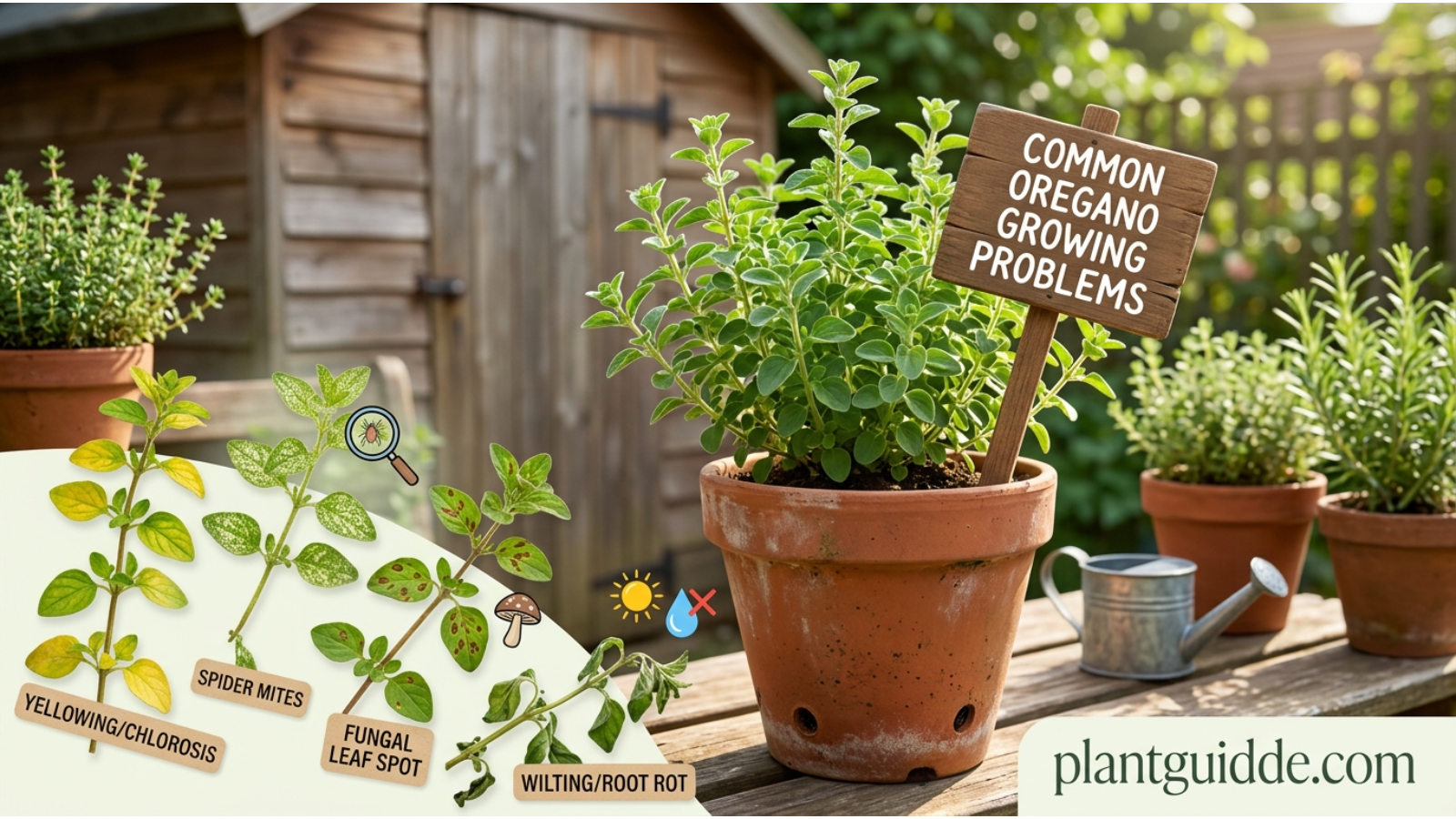
Common Oregano Growing Problems
Oregano leaves turning yellow
Yellow leaves can have several causes, but persistent wet soil is one of the first things to investigate.
Check:
- Soil moisture
- Drainage holes
- Root condition
- Light levels
- Fertilizer use
Older leaves occasionally yellow naturally, so one isolated yellow leaf is not necessarily a crisis.
Oregano is turning brown
Brown leaves can result from severe dryness, excessive fertilizer, intense environmental stress, or root damage.
Check the pattern carefully. Crispy brown edges with very dry soil suggest a different problem from brown, soft foliage growing on a plant sitting in constantly wet soil.
Oregano is wilting
First check the soil.
If it is very dry, the plant may simply need a thorough watering. If the soil is wet, do not automatically water again. Root damage caused by poor drainage can also lead to wilting.
Oregano is leggy
Leggy oregano usually indicates insufficient light, although inconsistent pruning can contribute.
Move the plant toward stronger light and trim stretched stems to encourage branching.
Avoid solving a light problem with extra fertilizer.
Oregano has small leaves
Small or weak foliage may be associated with insufficient light, poor nutrition, restricted roots, or unfavorable growing conditions.
Start with the basics: check light, root space, soil drainage, and watering habits before adding fertilizer.
Oregano leaves are curling
Curling can occur when the plant is experiencing water stress, excessive heat, root problems, pests, or other environmental stress.
Inspect the soil first, then check the undersides of leaves for insects and examine the plant’s overall growing conditions.
Common Oregano Plant Care Mistakes
1. Watering on a fixed schedule
“Water every three days” sounds convenient, but plants do not use water at exactly the same rate every week.
Better approach: check soil moisture and adjust according to conditions.
2. Using a pot without drainage
Even excellent soil cannot compensate for a container that traps excess water.
Better approach: use a container with drainage holes and empty standing water.
3. Keeping oregano in low light
Oregano is not a low-light houseplant.
Better approach: provide strong natural light or supplement with a grow light.
4. Overfertilizing
More fertilizer can create soft, excessive growth and increase the risk of fertilizer buildup.
Better approach: use light feeding only when the plant actually needs additional nutrients.
5. Never pruning
Allowing oregano to grow unchecked can result in long, woody, less productive stems.
Better approach: harvest frequently and pinch growing tips to encourage branching.
6. Treating every wilt as underwatering
This is one of the most costly mistakes.
Better approach: check the soil before watering. Wet roots can produce wilted foliage too.
How to Make Oregano Grow Bushier
If your oregano is thin or sparse, focus on three things: light, pruning, and appropriate watering.
First, make sure it receives sufficient sunlight. Then cut back long stems just above healthy leaf nodes. New branches can develop from these points, gradually producing a fuller plant.
Avoid excessive nitrogen in an attempt to force rapid growth. A compact herb grown under strong light is generally more useful than a tall plant produced through heavy feeding.
Regular harvesting also naturally keeps the plant producing new shoots.
Can Oregano Grow From Cuttings?
Yes. Healthy oregano stems can often be propagated from cuttings.
Take a healthy non-flowering stem, remove the lower leaves, and place the cutting in a suitable rooting medium or water until roots develop. Once a useful root system has formed, transplant it carefully into well-draining soil.
Choose healthy, pest-free material for propagation. Weak or stressed cuttings are less likely to establish successfully.
Can Oregano Be Grown From Seed?
Oregano can also be grown from seed, although starting with an established plant or rooted cutting is often faster for gardeners who want to harvest leaves sooner.
When starting seeds:
- Use a clean, well-draining seed-starting medium.
- Provide bright light.
- Keep the medium appropriately moist during germination.
- Avoid saturating the soil.
- Gradually acclimate young seedlings to stronger outdoor conditions.
Once seedlings are established, their watering can be adjusted toward the drier conditions preferred by mature oregano.
When and How to Repot Oregano
Repot oregano when the plant has become root-bound, growth has slowed despite suitable conditions, or roots are circling heavily around the container.
Signs that a larger pot may be needed include:
- Roots emerging from drainage holes
- Soil drying unusually quickly
- Restricted growth
- A plant becoming unstable in a small container
Move the plant into a container only modestly larger than the existing root system. After repotting, water appropriately and give it time to establish rather than immediately applying heavy fertilizer.
Oregano Plant Care: Indoor vs. Outdoor
| Factor | Indoor Oregano | Outdoor Oregano |
|---|---|---|
| Light | Brightest window or grow light | Full sun is ideal |
| Watering | Usually less frequent | Depends on weather and soil |
| Airflow | Important around dense foliage | Usually naturally better |
| Pot | Excellent option | Ground or container |
| Main risk | Low light + overwatering | Excess rain + poor drainage |
| Pruning | Frequent harvesting helps | Regular harvesting keeps it compact |
The main difference is not that indoor oregano needs completely different care. It is that indoor environments often provide less light and slower drying, so watering mistakes can become more serious.
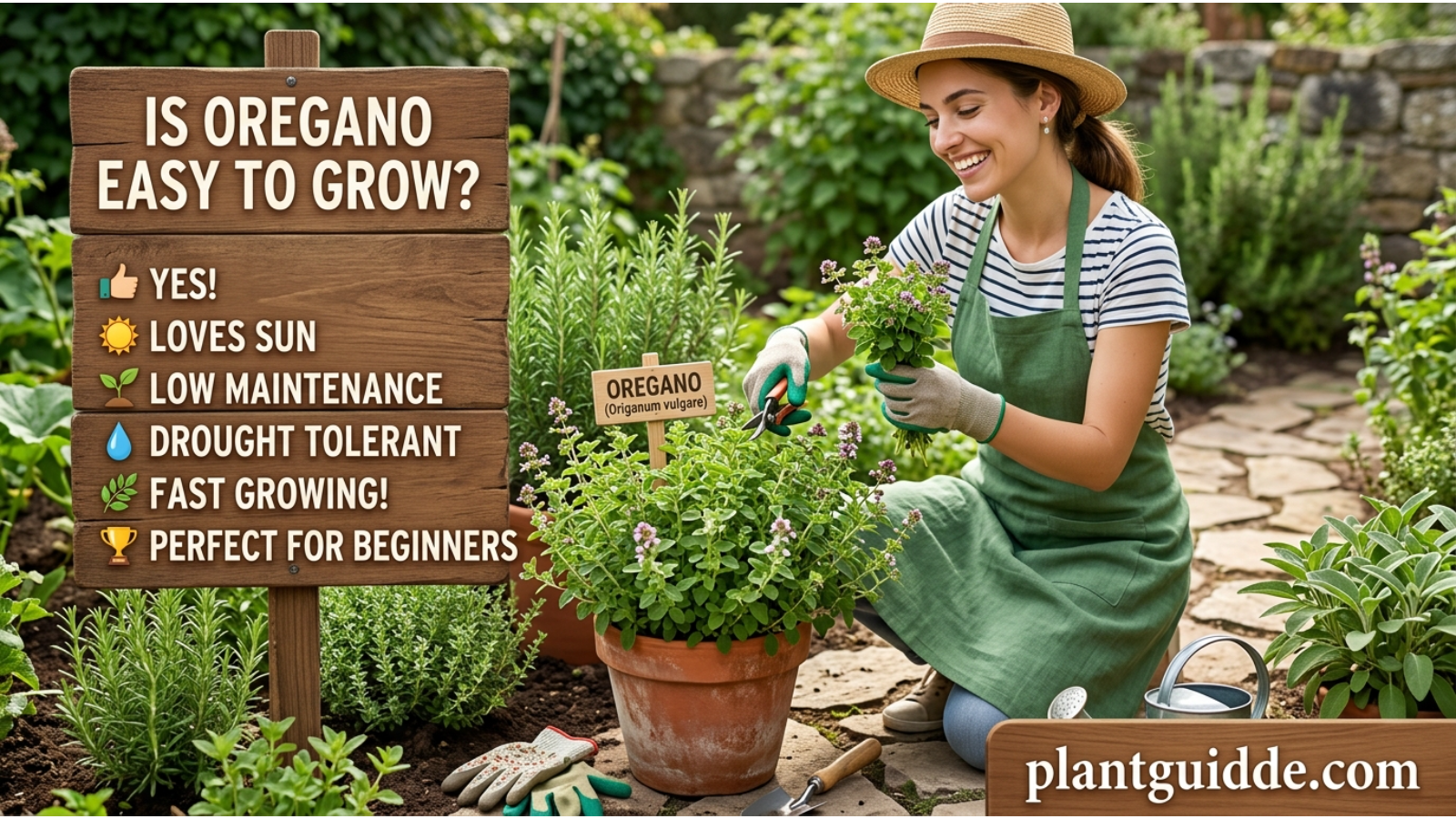
Is Oregano Easy to Grow?
Yes, oregano is generally considered an easy herb for beginners when its basic environmental requirements are met.
Its reputation for being low-maintenance comes from its tolerance of relatively dry conditions and its preference for strong sunlight and well-drained soil.
However, “easy” does not mean it can thrive anywhere. A plant kept in dim light with constantly wet soil may struggle regardless of how forgiving the species is.
The simplest successful approach is to remember:
Sunshine + drainage + moderate watering + regular harvesting = productive oregano.
FAQs:
How often should I water oregano?
Water when the upper soil has dried rather than following a fixed calendar. Water thoroughly, then allow excess moisture to drain. Frequency varies with sunlight, temperature, pot size, soil, and season.
Does oregano need full sun?
Oregano grows best with plenty of direct sunlight, generally around 6–8 hours daily. Strong light helps maintain compact growth and supports healthy, aromatic foliage.
Can oregano grow indoors?
Yes. Indoor oregano can grow successfully when placed in a very bright window or under a suitable grow light. Avoid keeping it in a dim location or constantly wet soil.
Why is my oregano turning yellow?
Overwatering and poor drainage are common causes, but low light, nutrient issues, root problems, and natural aging can also contribute. Check the soil moisture and roots before changing the fertilizer routine.
Should I cut the flowers off oregano?
You can leave the flowers if you want blooms and pollinator activity. If your priority is tender culinary foliage and compact growth, regular harvesting and trimming before or around flowering can be useful.
Conclusion
Successful oregano plant care is mostly about creating the conditions oregano naturally prefers rather than constantly adjusting the plant. Give it strong sunlight, fast-draining soil, sensible watering, good airflow, and regular harvesting.
If your oregano is struggling, start with the basics before reaching for fertilizer or complicated treatments. Check the light, feel the soil, inspect drainage, and examine the roots if necessary. In most cases, correcting the growing environment is more effective than adding more inputs.
For a healthy, productive plant, let the soil dry appropriately between waterings, give oregano plenty of light, and harvest the growing tips regularly. Those simple habits can keep an oregano plant compact, vigorous, and ready for the kitchen throughout the growing season.

Asad Mumtaz is a dedicated plant enthusiast and gardening writer with a passion for helping people care for their plants successfully. He specializes in plant care guides, indoor gardening, and practical growing tips for all skill levels. His content focuses on making gardening simple, enjoyable, and rewarding. Through his work, Asad shares reliable advice to help readers create thriving green spaces.