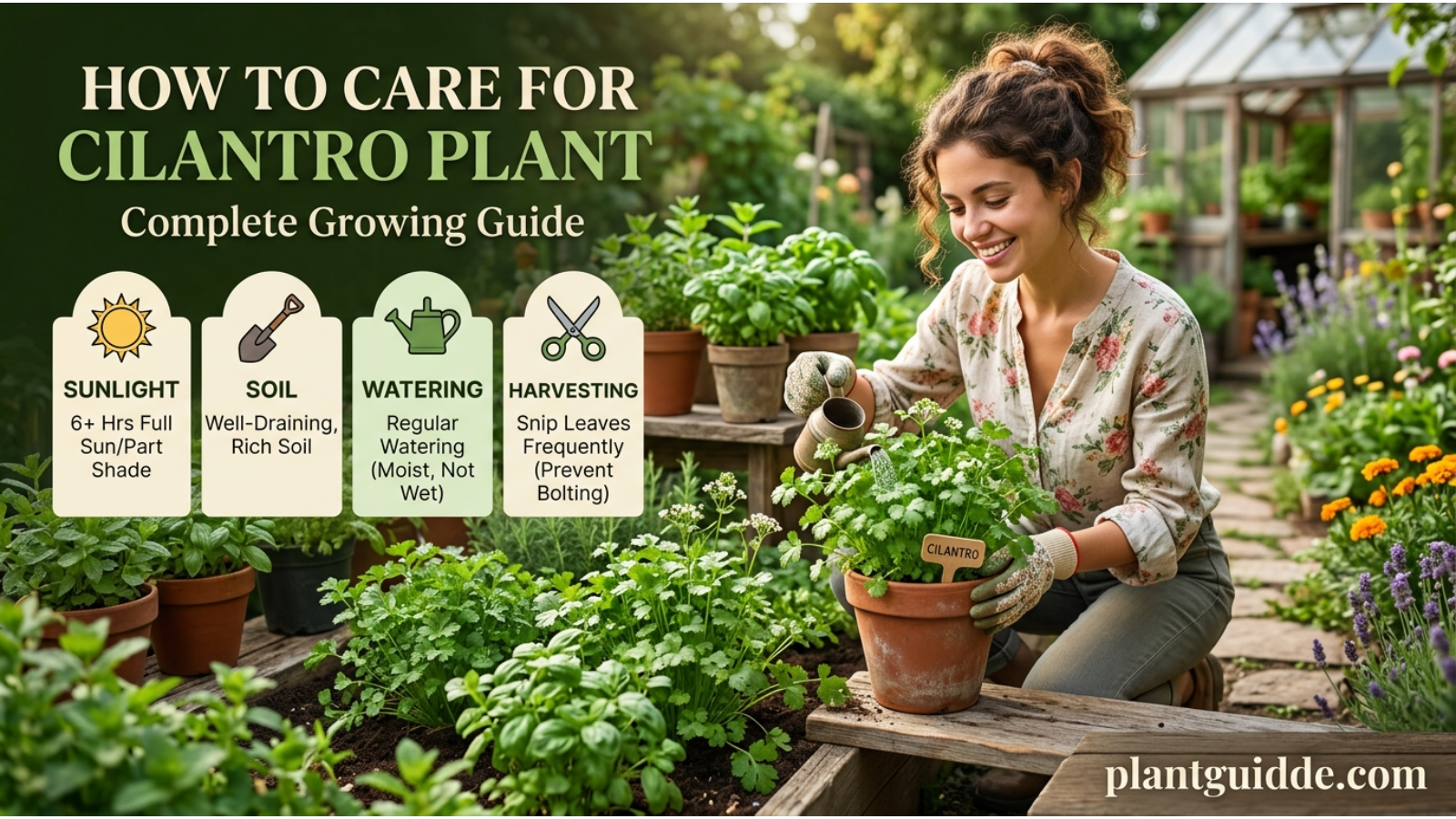
Care for cilantro plant is one of the easiest herbs to grow from seed, but it can also be surprisingly frustrating. A plant may look healthy one week and suddenly stretch upward, produce flowers, and stop making the lush leaves you wanted.
Learning how to care for cilantro plant properly is less about complicated maintenance and more about managing temperature, moisture, light, and harvesting at the right time.
Unlike woody Mediterranean herbs such as rosemary and thyme, cilantro prefers cooler growing conditions and more consistent moisture. Understanding that difference is important because placing cilantro in intense heat or letting its soil repeatedly dry out can quickly reduce leaf production.
Quick Answer
Cilantro grows best in cool temperatures, bright light, consistently lightly moist but well-drained soil, and regular harvesting. Water when the soil surface begins to dry, avoid intense heat, and sow seeds every few weeks for a continuous supply. The most common problem is premature bolting, which happens when plants experience heat or mature naturally.
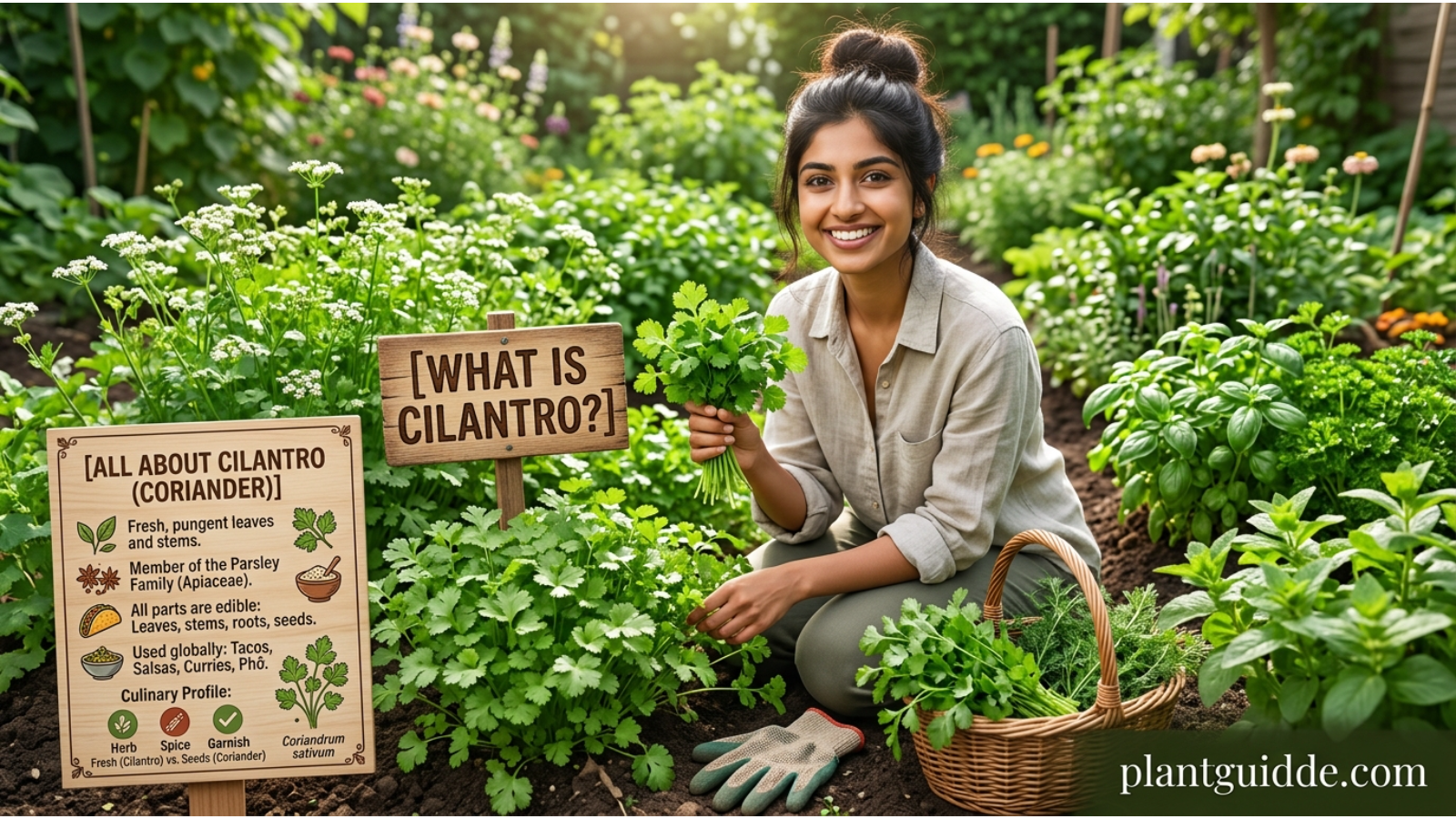
What Is Cilantro?
Cilantro is the leafy portion of Coriandrum sativum, an annual herb in the Apiaceae family. The same plant eventually produces coriander seeds after flowering and setting seed.
The fresh leaves are commonly used in:
- Salsa and guacamole
- Curries and chutneys
- Soups and sauces
- Salads
- Rice and noodle dishes
- Garnishes
- Herb pastes
One useful feature is that cilantro grows quickly from seed, so you do not need to maintain one plant indefinitely. In fact, succession sowing is often more successful than trying to keep a single plant producing leaves for months.
Cilantro Plant Care at a Glance
| Growing need | Best approach |
|---|---|
| Light | Bright light with some protection from intense afternoon heat |
| Temperature | Cool to mild conditions are ideal |
| Soil | Loose, fertile, well-draining soil |
| Water | Keep soil lightly and consistently moist |
| Pot | At least 6–8 inches deep with drainage holes |
| Fertilizer | Light feeding when needed; avoid excessive nitrogen |
| Harvest | Pick outer leaves regularly once plants are established |
| Main problem | Bolting caused by heat, maturity, or stress |
| Propagation | Usually grown directly from seed |
How to Care for Cilantro Plant
1. Choose the Right Location
Cilantro needs plenty of light for strong, leafy growth, but hot conditions can encourage it to bolt.
For outdoor growing, a location with morning sun and some protection from harsh afternoon heat can be useful in warm climates. During cooler weather, cilantro can tolerate more direct sunlight.
If growing cilantro indoors, place it near a bright window. A sunny kitchen windowsill can work well as long as the plant does not become overheated or receive intense reflected heat through the glass.
Practical tip: If your cilantro receives adequate light but quickly becomes tall and starts flowering, temperature may be the bigger problem rather than insufficient sunlight.
2. Use Loose, Well-Draining Soil
Good soil should hold enough moisture for cilantro without remaining saturated.
A useful growing medium should be:
- Loose and crumbly
- Rich in organic matter
- Well draining
- Able to retain moderate moisture
- Free from compacted areas
Avoid heavy garden soil in containers because it can become dense and restrict drainage.
A container mix amended with compost can provide a good balance between moisture retention and drainage.
3. Water Cilantro Consistently
Cilantro prefers more consistent moisture than drought-tolerant herbs such as rosemary.
Check the top layer of soil regularly. When the surface begins to dry, water thoroughly until excess water drains from the bottom of the container.
Do not keep the pot sitting in a saucer full of water.
Both extremes can cause problems:
Too little water:
- Wilting
- Thin or weak growth
- Drying leaves
- Faster stress during hot weather
Too much water:
- Yellowing foliage
- Poor root health
- Slow growth
- Persistently wet soil
- Greater risk of root problems
The goal is moist soil with good drainage, not constantly wet soil.
4. Maintain Cooler Growing Conditions
Temperature is one of the most important factors when learning how to care for cilantro plant.
Cilantro is a cool-season herb. As temperatures rise, the plant naturally shifts toward reproduction. This process is called bolting.
A bolting cilantro plant becomes taller and produces a flower stalk. Its leaves may become smaller, more delicate, or less desirable for culinary use.
If your weather becomes hot:
- Give plants some afternoon shade.
- Keep the soil evenly moist.
- Avoid placing containers against heat-reflecting walls.
- Grow cilantro during the cooler part of the year.
- Start new seeds regularly rather than relying on one mature plant.
In particularly hot climates, growing cilantro during fall, winter, and early spring can be much easier than trying to maintain it through summer.
How to Grow Cilantro From Seed
Cilantro is usually best grown directly from seed because it develops a taproot and can dislike unnecessary root disturbance.
Step 1: Prepare the Soil
Loosen the soil and remove large stones or compacted areas. Mix in a modest amount of mature compost if the soil is poor.
Step 2: Sow the Seeds
Place seeds roughly ¼ to ½ inch deep in the soil and cover them lightly.
Avoid burying them too deeply because seedlings need to emerge through the growing medium.
Step 3: Water Gently
Keep the soil evenly moist while the seeds germinate. A gentle watering method prevents seeds from being displaced.
Step 4: Give Seedlings Enough Light
Once seedlings emerge, provide strong light. Insufficient light can result in thin, stretched growth.
Step 5: Thin Crowded Seedlings
If too many seedlings emerge in one small area, thin them carefully so the remaining plants have enough space for airflow and development.
Do not throw away healthy thinnings if they are large enough to use in the kitchen.
How Long Does Cilantro Take to Grow?
Cilantro generally germinates relatively quickly under suitable conditions, although germination time varies with temperature, seed quality, moisture, and growing conditions.
Young leaves can be harvested once plants have developed enough foliage to recover from picking.
Rather than waiting for one huge harvest, harvest small amounts regularly. This gives you fresh leaves while allowing the plant to continue producing foliage.
For a continuous supply, sow a new small batch every few weeks during the suitable growing season.
How to Harvest Cilantro Without Stunting Growth
Harvesting correctly can help you get more useful foliage from young plants.
Use clean scissors or your fingers to remove the outer stems and leaves, leaving the central growing points intact when possible.
A good routine is:
- Harvest mature outer stems first.
- Avoid stripping the plant completely.
- Leave enough foliage for continued growth.
- Harvest in the morning when practical.
- Use fresh leaves soon after harvesting for the best flavor.
Once the plant begins producing a flower stalk, you can continue harvesting leaves for a while, but the plant is moving toward seed production.
What to Do When Cilantro Starts Bolting
Bolting is not necessarily a sign that you cared for the plant incorrectly.
Cilantro is an annual herb, and flowering is part of its natural life cycle. Heat, long days, plant maturity, and stress can accelerate the process.
If you want coriander seeds, allow the plant to flower and develop seeds.
If your goal is fresh cilantro leaves, succession planting is usually more effective.
When one batch starts bolting, have another younger batch ready to take its place.
Expert tip: Trying to force an old cilantro plant back into lush vegetative growth after it has strongly bolted is usually less productive than starting fresh seeds.
Growing Cilantro in Containers
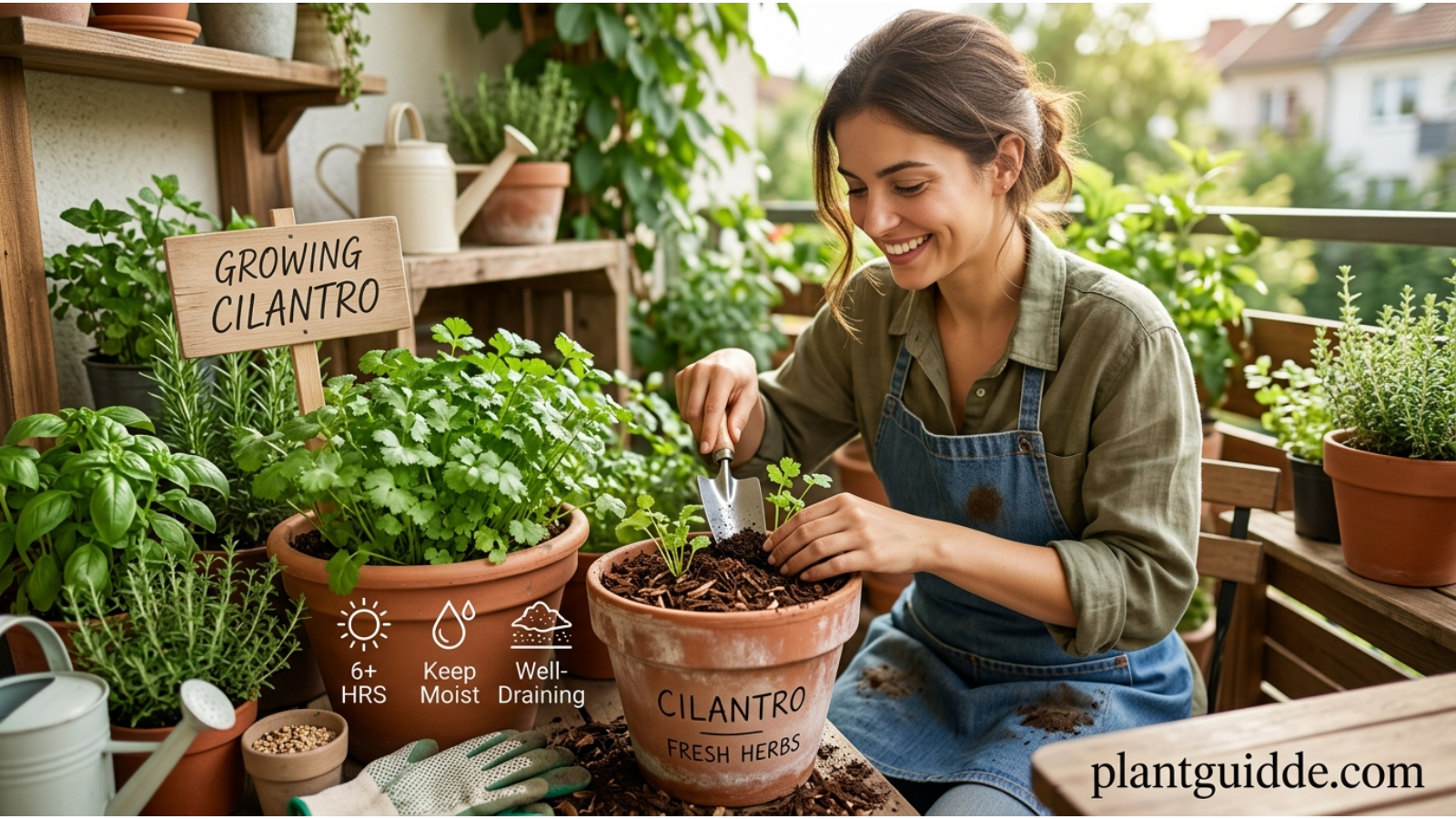
Cilantro is well suited to containers, provided the pot is deep enough for its root system and has adequate drainage.
Choose a container with:
- Drainage holes
- About 6–8 inches or more of depth
- Quality potting mix
- Enough surface area for several plants
A wider container can be particularly useful if you plan to make repeated sowings.
Avoid decorative containers without drainage unless they are being used only as outer cachepots with a separate draining pot inside.
Cilantro Container Care
Container soil dries faster than garden soil, especially in warm weather. Check moisture frequently rather than watering according to a rigid schedule.
At the same time, do not compensate for fast drying by keeping the soil constantly saturated.
The combination of good drainage plus regular moisture checks is more reliable than watering automatically every day.
Growing Cilantro Indoors
Cilantro can grow indoors, but light is often the limiting factor.
Place it in the brightest suitable location available. If natural light is weak, a grow light can help maintain compact growth.
Watch for:
- Long, thin stems
- Small leaves
- Pale foliage
- Leaning toward a window
These signs often indicate that the plant needs stronger light.
Indoor cilantro can also bolt if it is exposed to excessive warmth, particularly near heating appliances, radiators, or hot windows.
Common Cilantro Problems and Solutions
Cilantro Is Turning Yellow
Yellow leaves can have several causes.
Check:
- Whether the soil stays wet for too long
- Whether the plant is overcrowded
- Whether older leaves are naturally aging
- Whether the plant is receiving adequate light
If yellowing is accompanied by consistently soggy soil, improve drainage and adjust watering.
Cilantro Is Wilting
First check the soil.
If it is dry, water thoroughly and monitor the plant more closely. If the soil is already wet, adding more water may make the problem worse.
Wilting despite wet soil can indicate root stress rather than thirst.
Cilantro Is Falling Over
Tall, weak stems commonly result from insufficient light, crowded growth, or rapid growth under unsuitable conditions.
Move indoor plants toward stronger light and avoid excessive crowding.
Cilantro Leaves Have Brown or Crispy Edges
Brown edges can develop when plants experience significant moisture stress, intense heat, or unsuitable environmental conditions.
Check soil moisture and the plant’s location. In hot weather, reducing harsh afternoon exposure can help.
Cilantro Is Growing Tall Instead of Bushy
This may happen because of insufficient light or because the plant is naturally transitioning toward flowering.
If a flower stalk is developing, the plant may be bolting rather than simply becoming leggy.
Cilantro Has Small Leaves
Small foliage can be associated with poor light, crowding, limited root space, or a plant approaching its reproductive stage.
For container-grown plants, make sure the roots have enough room and that the plant receives strong light.
Common Mistakes When Growing Cilantro
Treating Cilantro Like Rosemary
This is a common watering mistake.
Rosemary prefers relatively dry conditions, while cilantro performs better with more consistent moisture. Using the same watering routine for both herbs can lead to problems.
Growing It Through Extreme Heat
A plant can receive excellent care and still bolt rapidly when temperatures become unfavorable.
Seasonal timing matters.
Using a Pot Without Drainage
Water must have somewhere to escape. A container without drainage can keep roots saturated even when the surface looks acceptable.
Harvesting Too Aggressively
Removing most of the foliage at once reduces the plant’s ability to continue growing.
Take what you need while leaving enough healthy foliage behind.
Planting Only Once
Care for cilantro plant you want cilantro throughout the season, one sowing is rarely enough.
Succession sowing provides younger plants as older ones mature and bolt.
How to Keep Cilantro Producing Longer
You cannot completely prevent cilantro from eventually flowering, but you can manage the growing cycle.
Try this approach:
- Start seeds during the cooler part of the growing season.
- Provide plenty of light without excessive heat.
- Keep soil consistently but moderately moist.
- Harvest leaves regularly.
- Protect plants from intense afternoon heat when necessary.
- Sow another batch every few weeks.
- Let some plants flower if you want coriander seeds.
This approach works with the plant’s natural life cycle rather than trying to make an annual herb behave like a permanent houseplant.
Can You Grow Cilantro From Store-Bought Cilantro?
Fresh cilantro purchased from a grocery store is generally not the easiest starting material for producing a new long-term plant.
Cilantro is most reliably grown from viable seeds. If you want a dependable supply, purchasing quality seed and sowing it directly into the growing medium is the better approach.
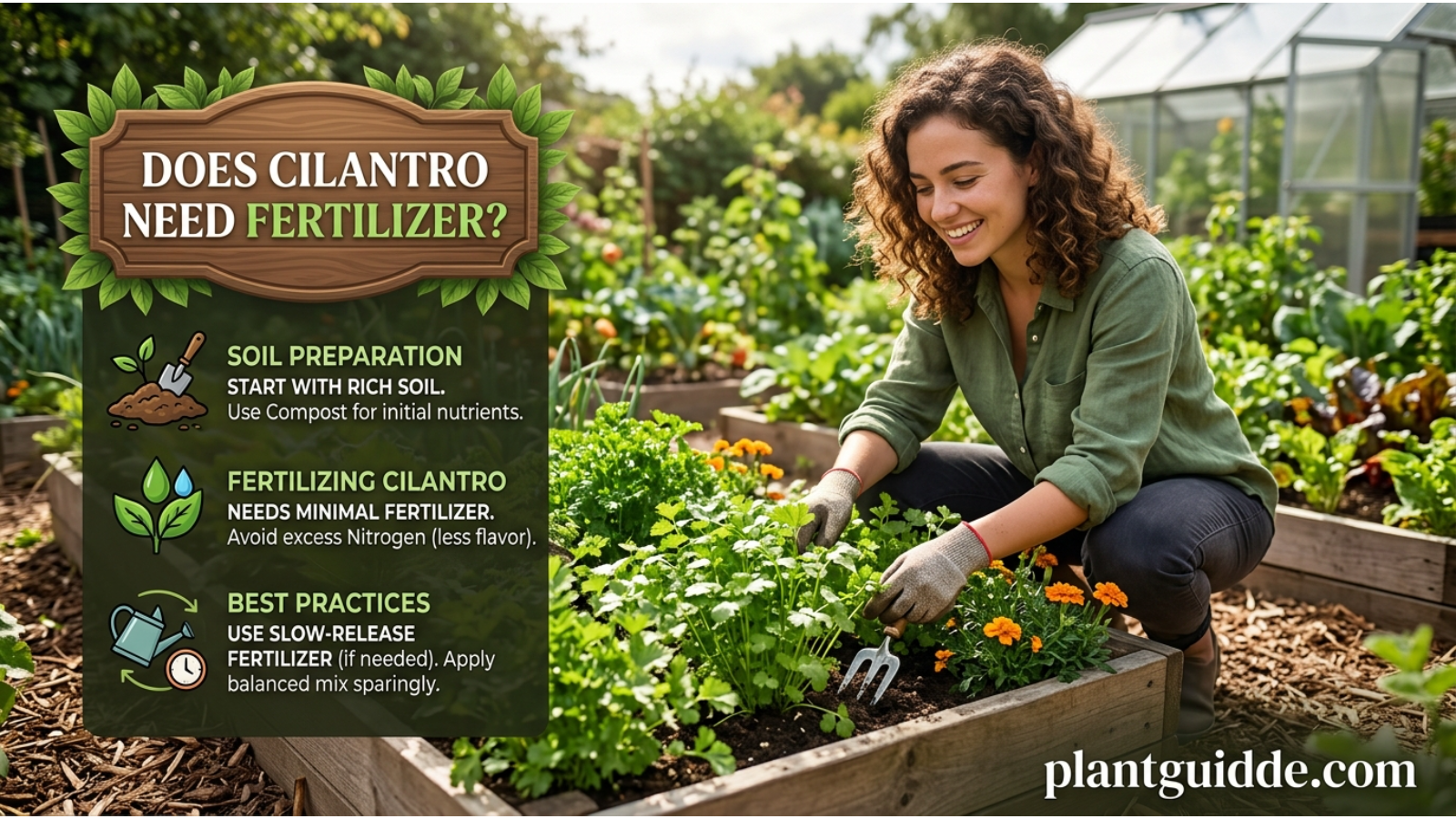
Does Cilantro Need Fertilizer?
Cilantro does not necessarily require heavy feeding, particularly when grown in fertile soil containing organic matter.
Care for cilantro plant growth is weak, a mild balanced fertilizer can be used according to the product’s directions.
Avoid excessive fertilizer, especially high-nitrogen feeding. Rapid soft growth is not necessarily an advantage for an herb that is already prone to bolting.
Improving light, temperature, moisture, and soil conditions should come before assuming fertilizer is the solution.
FAQs:
How often should I water cilantro?
Water when the surface of the soil begins to dry, then water thoroughly until excess drains away. The exact frequency depends on temperature, container size, soil, and light, so checking the soil is more reliable than following a fixed schedule.
Does cilantro need full sun?
Cilantro needs plenty of light, but it can struggle when exposed to intense heat. In hot conditions, morning sun followed by afternoon protection can help extend the leafy growing period.
Why does my cilantro keep flowering?
Cilantro naturally flowers as it matures, and heat can accelerate bolting. Succession sowing and growing during cooler weather are two of the most effective ways to maintain a steady supply of leaves.
Can cilantro grow indoors?
Yes. Cilantro can grow indoors when it receives sufficient light, has well-draining soil, and is kept at suitable temperatures. A sunny window or supplemental grow light can be useful.
How do I keep cilantro from bolting?
You cannot stop bolting permanently because it is part of cilantro’s natural life cycle. You can delay it by growing during cooler weather, reducing heat stress, maintaining consistent moisture, and sowing new batches regularly.
Final Thoughts
Successful cilantro growing comes down to understanding what the plant actually prefers: bright light, cooler conditions, well-drained soil, consistent moisture, and regular harvesting. The biggest mistake is often expecting one plant to provide leaves indefinitely.
If you want a reliable supply, work with cilantro’s natural growth cycle. Start new seeds regularly, protect plants from excessive heat, and harvest young foliage before flowering becomes the plant’s main priority.

Asad Mumtaz is a dedicated plant enthusiast and gardening writer with a passion for helping people care for their plants successfully. He specializes in plant care guides, indoor gardening, and practical growing tips for all skill levels. His content focuses on making gardening simple, enjoyable, and rewarding. Through his work, Asad shares reliable advice to help readers create thriving green spaces.