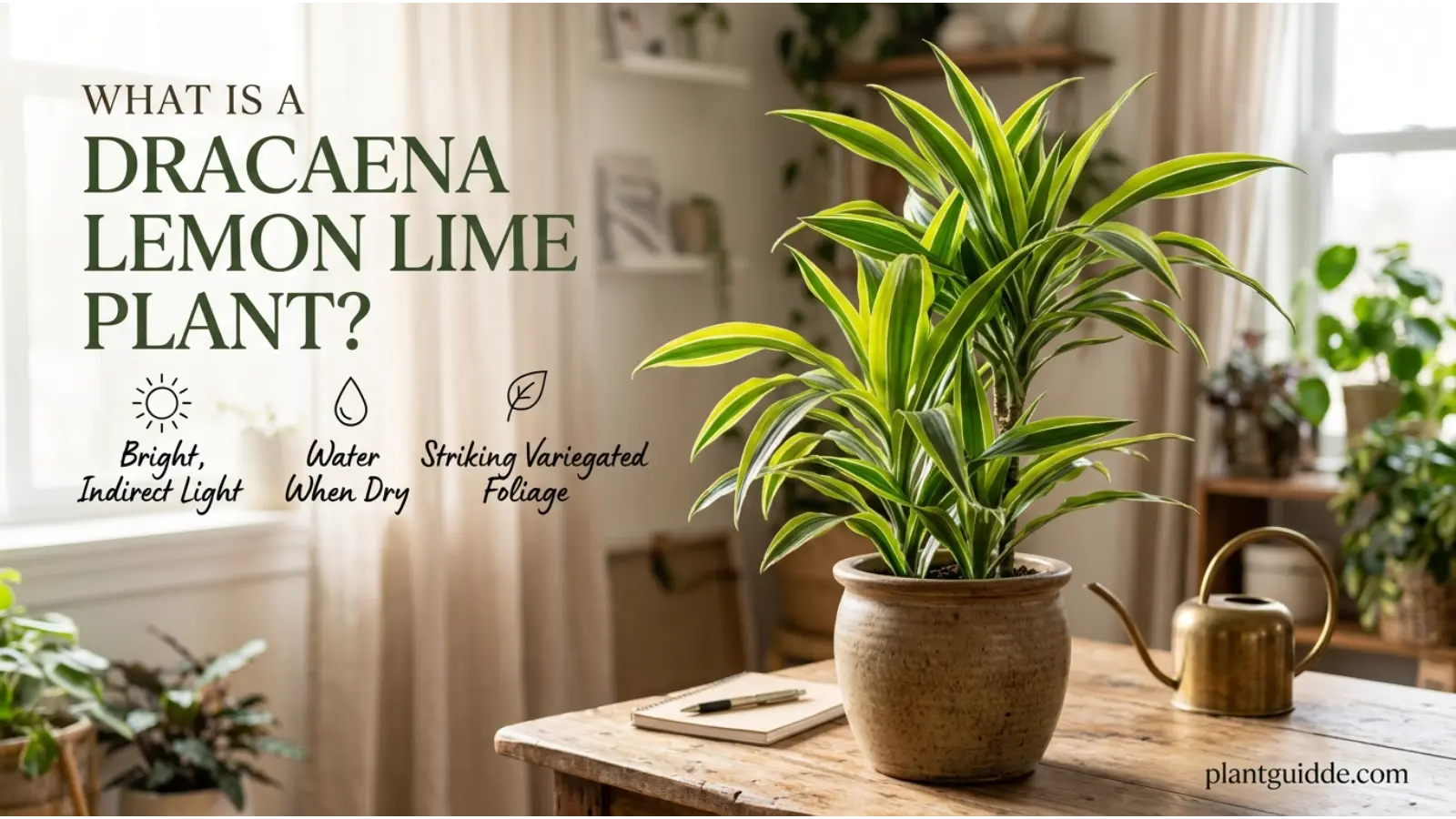
Dracaena lemon lime plant is a striking indoor foliage plant known for its long, arching leaves with bright lime-green, yellow-green, and dark green stripes.
Its colorful foliage makes it a popular choice for living rooms, bedrooms, offices, and other indoor spaces where a touch of tropical greenery can transform the atmosphere.
Although this plant is relatively easy to maintain, improper watering, insufficient light, and unsuitable soil can cause yellow leaves, brown tips, drooping foliage, or slow growth. Understanding the plant’s needs is the key to keeping its leaves colorful and healthy.
Successful Dracaena Lemon Lime plant care does not require constant attention. Instead, it depends on consistent growing conditions, careful watering, and occasional maintenance.
Dracaena lemon lime plant you are buying your first Dracaena or trying to revive an existing plant, the following guide explains how to provide the right conditions throughout the year.
Quick Answer
Dracaena Lemon Lime plant care involves providing bright, indirect light, well-draining soil, and moderate watering. Let the top 1–2 inches of soil dry before watering again, keep the plant in a warm room, and fertilize lightly during active growth. Avoid waterlogged soil, harsh direct sunlight, and cold drafts to maintain its vibrant green, lime-yellow, and dark green striped foliage.
What Is a Dracaena Lemon Lime Plant?
Dracaena Lemon Lime is a colorful cultivar of Dracaena fragrans, commonly associated with the corn plant group. It grows upright stems with long, narrow, arching leaves marked by contrasting shades of green and yellow-green.
Unlike flowering houseplants grown primarily for their blooms, this Dracaena is valued for its foliage. It can gradually develop a cane-like trunk as it matures, giving it a small indoor-tree appearance.
Its main characteristics include:
- Colorful foliage: Bright lime and yellow-green stripes contrast with darker green areas.
- Upright growth: The stems and leaves create a vertical display suitable for corners and floor planters.
- Moderate growth: It usually develops gradually rather than spreading rapidly.
- Indoor adaptability: It can grow in typical household conditions when light, moisture, and temperature are suitable.
Dracaena Lemon Lime is often confused with other colorful Dracaena varieties. Check the leaf pattern and plant label when purchasing, because different cultivars may have slightly different growth habits and foliage colors.
Best Conditions for Dracaena Lemon Lime Plant Care
The plant’s environment determines how well it grows and how effectively it maintains its bright leaf coloration.
| Care factor | Recommended conditions | What to avoid |
|---|---|---|
| Light | Bright, indirect light | Harsh midday or afternoon sun |
| Water | Water when the top 1–2 inches of soil dry | Constantly wet soil |
| Soil | Loose, well-draining potting mix | Dense, compacted soil |
| Temperature | Approximately 65–80°F (18–27°C) | Cold drafts and sudden temperature changes |
| Humidity | Average indoor humidity or moderately higher | Extremely dry air combined with other stress |
| Fertilizer | Balanced houseplant fertilizer during active growth | Excessive feeding |
| Pot | Container with drainage holes | Standing water around the roots |
These conditions are a useful starting point. Adjust your routine according to the plant’s location, pot size, and the time it takes for the soil to dry.
How Much Light Does Dracaena Lemon Lime Need?
Light is particularly important for maintaining the plant’s colorful foliage. Dracaena Lemon Lime grows well in bright, indirect light, where it can receive sufficient energy without prolonged exposure to intense sunlight.
Bright, indirect light
An east-facing window is often a good location. You can also place the plant near a bright south- or west-facing window, using a sheer curtain or additional distance to reduce strong direct sunlight.
With appropriate lighting, the plant can maintain its distinctive leaf patterns and produce steady new growth.
Can Dracaena Lemon Lime grow in low light?
Yes, it can tolerate lower indoor light, but its growth may slow considerably. New leaves may be smaller, and the plant may gradually lose some of its visual intensity.
If the plant sits in a dim corner and develops weak growth, move it closer to a bright window gradually. Avoid placing it immediately in strong sunlight, as leaves adapted to low light can scorch.
Signs of lighting problems
- Faded foliage: The plant may need better lighting, although nutrient or root problems can also affect leaf color.
- Slow growth: Insufficient light is one possible cause.
- Brown or bleached patches: Excessive direct sunlight may be responsible.
- Leaning stems: The plant may be growing toward its main light source.
Rotate the pot occasionally to encourage balanced growth, especially when light enters primarily from one direction.
How Often Should You Water Dracaena Lemon Lime?
Watering is one of the most important aspects of Dracaena Lemon Lime plant care. The plant prefers some moisture but does not tolerate persistently waterlogged roots.
A fixed watering schedule is unreliable because soil dries at different rates depending on temperature, light, humidity, pot size, and soil composition.
Step-by-step watering method
- Check the soil: Feel the top 1–2 inches with your finger. If the soil remains damp, wait before watering.
- Water thoroughly: When the upper layer has dried, water evenly until excess water flows through the drainage holes.
- Allow drainage: Let the pot drain completely rather than leaving it in a water-filled saucer.
- Check again before watering: Monitor the soil moisture over the following days.
- Adjust seasonally: Water less frequently when growth slows and the soil takes longer to dry.
A plant in a warm, bright room may need water more often than one in a cool, dim space. The goal is to maintain a sensible balance between moisture and airflow around the roots.
Signs of overwatering
Overwatering may cause yellowing leaves, soft stems, persistently damp soil, and root rot. If several leaves begin yellowing while the soil stays wet, check the drainage and inspect the roots if the problem continues.
To address suspected root rot:
- Remove the plant from its pot.
- Examine the roots for dark, mushy, or foul-smelling sections.
- Trim damaged roots with clean tools.
- Repot the plant in fresh, well-draining soil.
- Use a container with drainage holes and water carefully while the plant recovers.
Do not automatically water a drooping Dracaena. Both overwatering and underwatering can cause drooping, so check the soil first.
Signs of underwatering
A plant that remains dry for too long may develop drooping leaves, dry edges, or a generally tired appearance. If the soil is dry throughout the root zone, water thoroughly and allow the excess to drain.
If the plant does not recover after watering, inspect the roots and review its light and temperature conditions before adding more water.
Best Soil and Pot for Dracaena Lemon Lime
Dracaena Lemon Lime needs soil that retains enough moisture to support the roots but drains well enough to prevent prolonged saturation.
A quality indoor potting mix can work when it has a loose structure. If the mix stays wet for too long, improve its drainage by adding perlite or pumice.
A practical starting mixture is:
- Two parts general-purpose indoor potting mix
- One part perlite or pumice
Adjust the mixture according to how quickly it dries in your home. The finished mix should allow excess water to escape without becoming excessively dry between waterings.
Choosing the right pot
Select a container with drainage holes and enough room for the current root system. A pot only slightly larger than the existing root ball is usually sufficient when repotting.
Avoid moving a small plant into an oversized container. Excess soil can retain moisture for too long, especially in lower light.
Terracotta pots can help soil dry faster, while plastic and glazed ceramic containers generally retain moisture longer. Choose the material that best matches your watering habits and indoor environment.
Ideal Temperature and Humidity
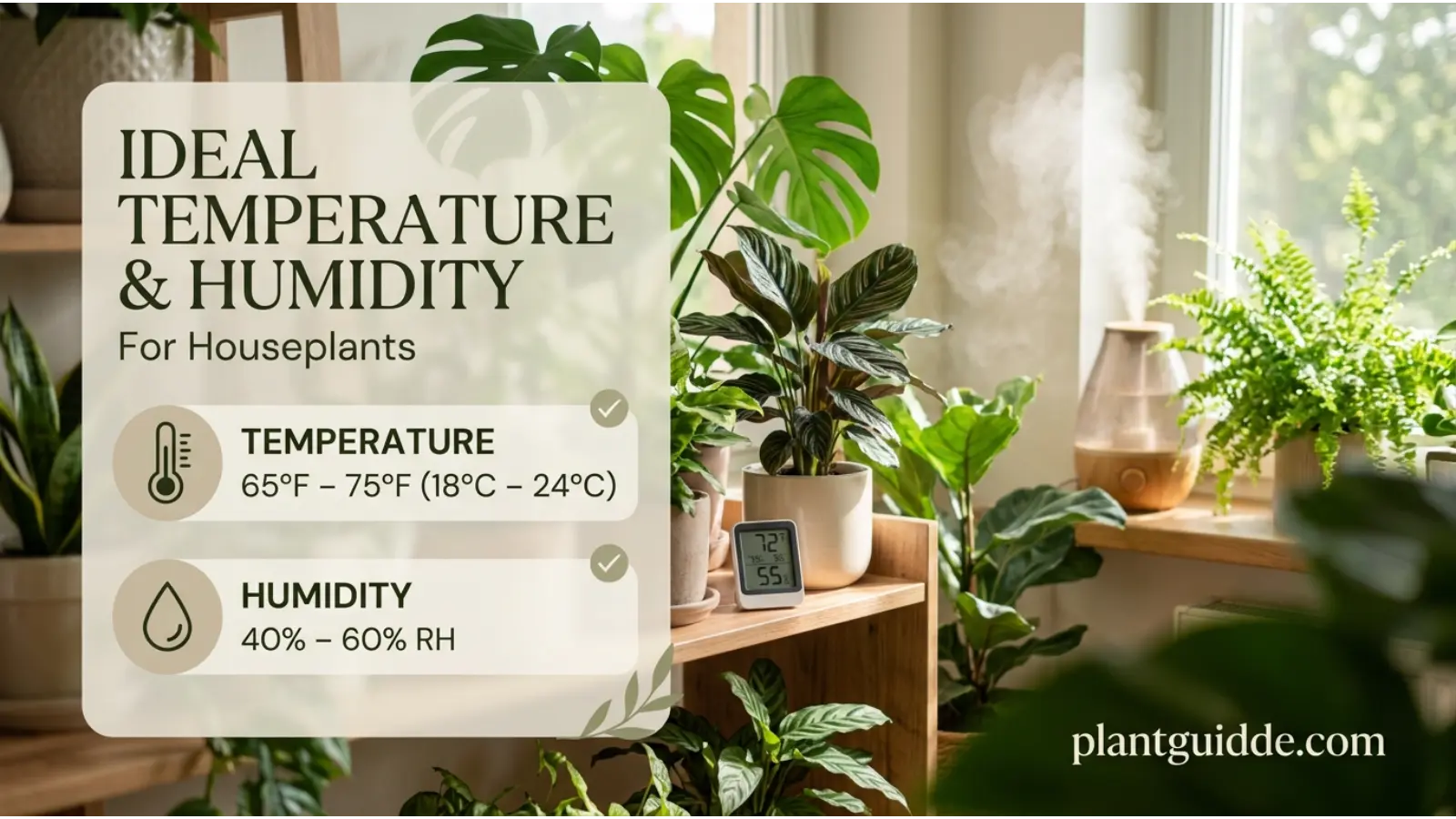
Dracaena Lemon Lime prefers warm, stable indoor conditions. Temperatures around 65–80°F (18–27°C) are generally suitable for steady growth.
Keep the plant away from cold drafts, air-conditioning vents that blow directly onto its leaves, and sudden temperature changes. Protect it from frost and prolonged cold exposure.
Average household humidity is usually adequate. If your indoor air becomes very dry, particularly near heating equipment, a humidifier may help improve growing conditions.
Regular misting is not necessary and does not provide a lasting increase in room humidity. If the leaf tips turn brown, first check watering, fertilizer buildup, root health, and water quality rather than assuming the air is too dry.
How to Fertilize Dracaena Lemon Lime
Dracaena Lemon Lime benefits from moderate feeding during active growth, but excessive fertilizer can damage roots and contribute to brown leaf tips.
Use a balanced liquid houseplant fertilizer according to the product label during spring and summer. Depending on the fertilizer concentration and the plant’s growth rate, feeding every four to eight weeks may be sufficient.
For healthy growth:
- Apply fertilizer at the recommended concentration.
- Avoid feeding a severely stressed or recently damaged plant.
- Reduce or stop feeding when growth slows during winter.
- Avoid repeated applications if the soil already contains slow-release fertilizer.
- Flush accumulated fertilizer salts from the soil occasionally when drainage is good.
More fertilizer does not necessarily mean faster growth. If the plant is not growing well, check its light, roots, watering, and temperature before increasing feeding.
How to Prune Dracaena Lemon Lime
Pruning helps maintain the plant’s shape and removes damaged foliage. It can also be useful when a mature plant becomes too tall for its location.
Removing damaged leaves
Use clean, sharp scissors to remove fully yellow or badly damaged leaves near the stem. If only the tips are brown, you can trim the damaged portions while following the natural shape of the leaf.
Brown tips may return if the underlying problem remains unresolved, so review watering, fertilizer use, and water quality when the damage is persistent.
Controlling height
If the plant becomes too tall, you can cut back a cane using a clean, sharp pruning tool. New growth may develop below the cut, although the exact response depends on the plant’s health and growing conditions.
Avoid removing too much healthy foliage at once. Gradual pruning reduces unnecessary stress and helps preserve the plant’s appearance.
Wear gloves if desired, and keep pruning debris away from pets and children.
How to Repot Dracaena Lemon Lime
Dracaena Lemon Lime does not need frequent repotting. Repot when roots fill the container, begin emerging from drainage holes, or the plant dries unusually quickly despite appropriate watering.
Spring and early summer are convenient times because the plant is generally entering active growth.
Repotting steps
- Choose a pot with drainage holes that is only slightly larger than the existing container.
- Gently remove the plant and loosen tightly packed soil around the root ball.
- Inspect the roots and remove any soft or rotting sections with clean tools.
- Place the plant at the same depth it was previously growing.
- Fill the surrounding space with fresh, well-draining potting mix.
- Water appropriately and allow excess water to drain.
After repotting, keep the plant in bright, indirect light and avoid immediate heavy fertilizing. Give the roots time to settle before returning to a regular feeding routine.
Common Dracaena Lemon Lime Problems and Solutions
Changes in leaf color and texture often provide useful clues about the plant’s condition. However, one symptom can have several causes, so check the soil and recent care routine before deciding what to change.
| Problem | Possible cause | Practical solution |
|---|---|---|
| Yellow leaves | Excess moisture, root damage, or natural aging | Check soil moisture and drainage |
| Brown leaf tips | Fertilizer salts, water quality, inconsistent moisture, or dry conditions | Review watering and fertilizer use |
| Drooping leaves | Underwatering, overwatering, or root damage | Check soil and roots before watering |
| Pale or faded leaves | Unsuitable light or other growing stress | Adjust light gradually and review care |
| Slow growth | Low light, seasonal slowdown, or root restriction | Improve lighting and inspect the root system |
| Soft stem or base | Possible rot caused by excessive moisture | Inspect roots and remove damaged tissue |
| Leaf spots | Physical injury, sun damage, or possible disease | Check exposure and isolate the plant if disease is suspected |
Why are the leaves turning yellow?
Yellow leaves are often associated with excessive moisture, especially when the soil remains wet for extended periods. Poor drainage can deprive roots of oxygen and interfere with water and nutrient uptake.
Check the soil before watering again. If multiple leaves turn yellow and the stem base becomes soft, inspect the roots for rot.
An occasional older leaf turning yellow may be part of normal aging. Focus on whether the problem is isolated or spreading throughout the plant.
Why are the leaf tips turning brown?
Brown tips may develop because of fertilizer salt accumulation, inconsistent watering, water quality, dry indoor conditions, or root problems.
Review the plant’s recent care history before making several changes at once. If you fertilize frequently, reduce feeding and check whether salts have accumulated. If the soil stays wet, address drainage instead.
Some damaged leaf tissue will not turn green again. Trim it for appearance after correcting the underlying cause.
Why is my Dracaena Lemon Lime not growing?
Growth may slow in winter, in low light, or when roots are crowded. Check whether the plant receives enough indirect light and whether the potting mix dries appropriately.
If the roots are healthy and the plant otherwise looks stable, a period of slow growth is not necessarily a sign of disease. Avoid forcing growth through heavy watering or excessive fertilizer.
Common Mistakes in Dracaena Lemon Lime Plant Care
Even a resilient houseplant can decline when its basic requirements are overlooked.
Watering too frequently: Dracaena does not need constantly wet soil. Check moisture before each watering.
Using dense soil: Compacted soil restricts airflow and can hold excess moisture around the roots.
Placing it in harsh sunlight: Strong direct sunlight may scorch foliage that has adapted to indoor conditions.
Using too much fertilizer: Excess nutrients can contribute to salt buildup and damaged leaf tips.
Ignoring water quality: Dracaena species can be sensitive to fluoride and soluble salts in some water supplies. If tip burn persists despite suitable care, consider trying filtered water or another low-fluoride water source.
Repotting too often: Frequent repotting can disturb roots unnecessarily. Repot when the plant shows a practical need rather than following a rigid calendar.
Ignoring pests: Check leaf undersides and stem joints occasionally for scale insects, mealybugs, and spider mites. Early detection makes infestations easier to manage.
A simple care log can help identify patterns. Record watering dates, changes in location, and when symptoms first appear. This is especially useful when several environmental factors may be affecting the plant.
Is Dracaena Lemon Lime Toxic to Pets?
Yes. Dracaena plants are considered toxic to cats and dogs if ingested. Chewing the leaves may cause vomiting, loss of appetite, and other signs of gastrointestinal irritation.
Keep the plant away from pets that chew foliage. If a pet eats part of the plant or develops symptoms, contact a veterinarian for guidance.
You can still enjoy Dracaena Lemon Lime indoors, but its placement should account for the behavior of pets and young children.

FAQs:
How often should I water Dracaena Lemon Lime?
Water when the top 1–2 inches of soil have dried, then allow excess water to drain. The interval varies with temperature, light, pot size, and season. Check the soil instead of following a fixed weekly schedule.
Does Dracaena Lemon Lime need direct sunlight?
No. Bright, indirect light is generally best. The plant may tolerate some gentle morning sun after gradual acclimation, but intense direct sunlight can scorch its leaves.
Why is my Dracaena Lemon Lime losing its bright color?
Insufficient light can contribute to faded foliage and slower growth. Move the plant gradually to a brighter location with indirect light. Also check for root problems or other environmental stress if the color change continues.
Can Dracaena Lemon Lime grow in low light?
Yes, it can tolerate lower light, but growth will generally slow. For better foliage color and stronger growth, provide bright, indirect light whenever possible and adjust watering to the slower drying rate of the soil.
Is Dracaena Lemon Lime easy to care for?
Yes. It is relatively low-maintenance when grown in suitable light, well-draining soil, and a warm indoor environment. The most common problems arise from overwatering, poor drainage, and unsuitable light. It should also be kept away from pets that might chew its leaves.
Conclusion
Successful Dracaena Lemon Lime plant care comes down to providing bright, indirect light, allowing the soil to dry partially between waterings, and maintaining healthy roots in a well-draining potting mix. Warm temperatures, moderate feeding, and occasional pruning will help the plant maintain its distinctive lime-green foliage.
Start by checking your plant’s light exposure, soil moisture, and drainage. Make adjustments gradually, watch how the leaves respond, and avoid changing several conditions at once. Consistent observation is the most reliable way to keep your Dracaena Lemon Lime healthy and attractive.

Asad Mumtaz is a dedicated plant enthusiast and gardening writer with a passion for helping people care for their plants successfully. He specializes in plant care guides, indoor gardening, and practical growing tips for all skill levels. His content focuses on making gardening simple, enjoyable, and rewarding. Through his work, Asad shares reliable advice to help readers create thriving green spaces.