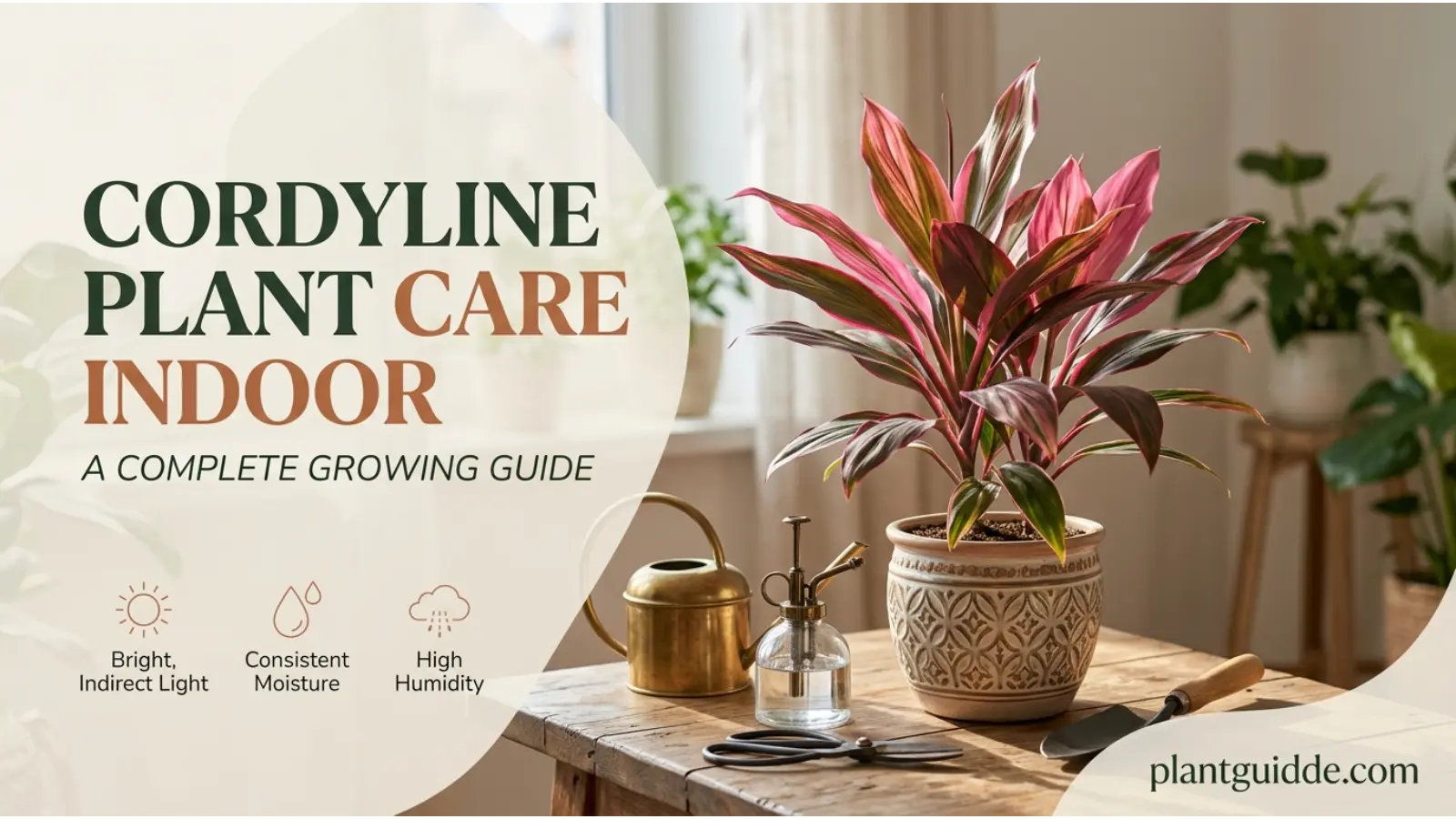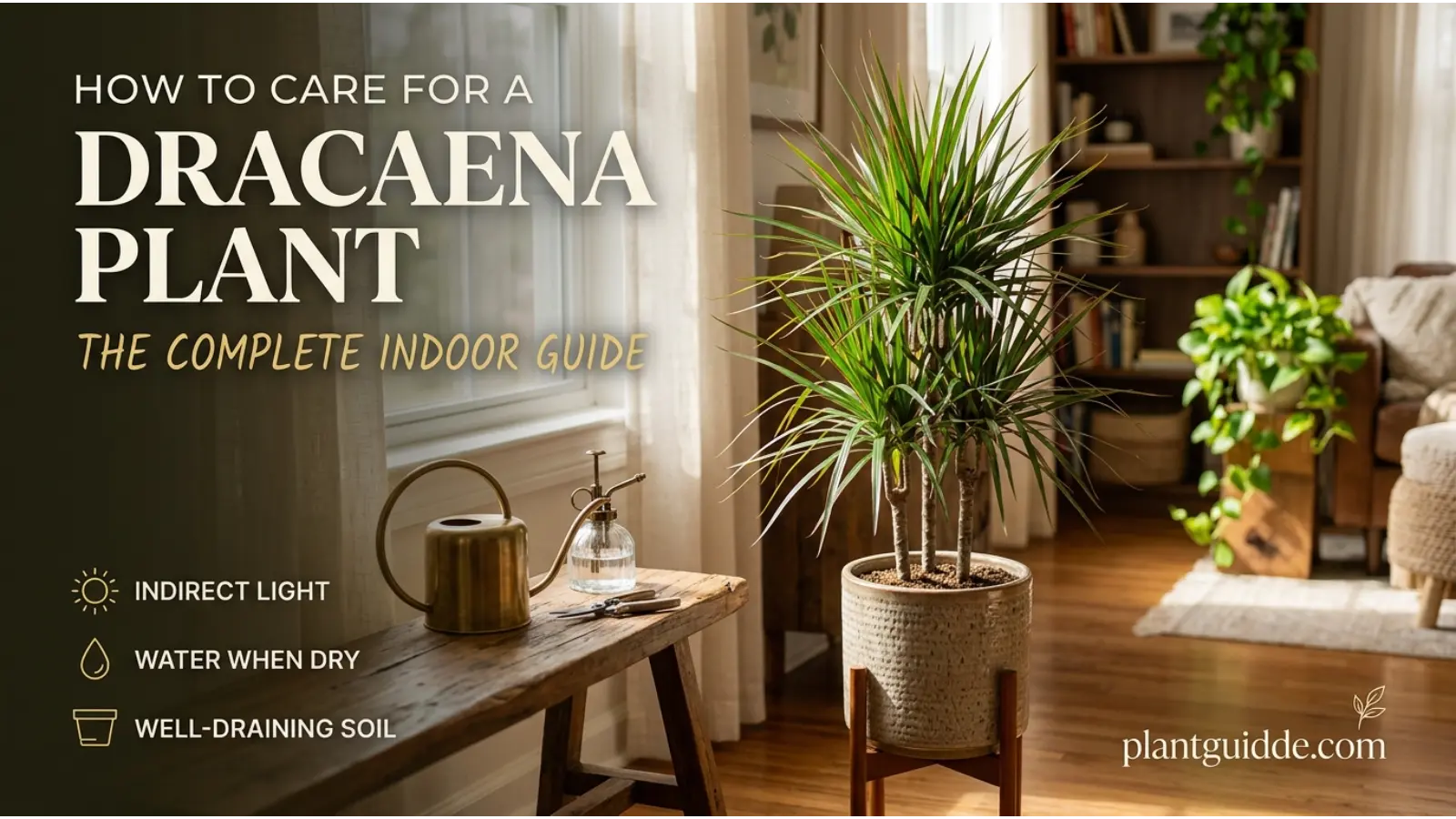
Care for a dracaena plant are popular indoor houseplants because of their upright growth, attractive foliage, and ability to adapt to typical home environments. From the colorful leaves of Dracaena marginata to the broad, striped foliage of corn plants, these plants can bring structure and greenery to living rooms, offices, and other indoor spaces.
However, learning how to care for a dracaena plant involves more than occasional watering. Brown leaf tips, yellow leaves, drooping foliage, and slow growth can develop when light, moisture, soil, or temperature conditions are unsuitable.
The good news is that most dracaena varieties need relatively little maintenance once their basic requirements are understood. This guide explains how to choose the right location, water correctly, maintain healthy roots, encourage growth, and troubleshoot common problems before they become severe.
Quick Answer
To care for a dracaena plant, provide bright, indirect light, well-draining soil, and moderate watering. Allow the top 1–2 inches of soil to dry before watering again, and keep the plant in a warm room away from cold drafts.
Use a pot with drainage holes and fertilize lightly during active growth. Avoid overwatering, which can cause yellow leaves, brown tips, and root rot.
Understanding Dracaena Plants
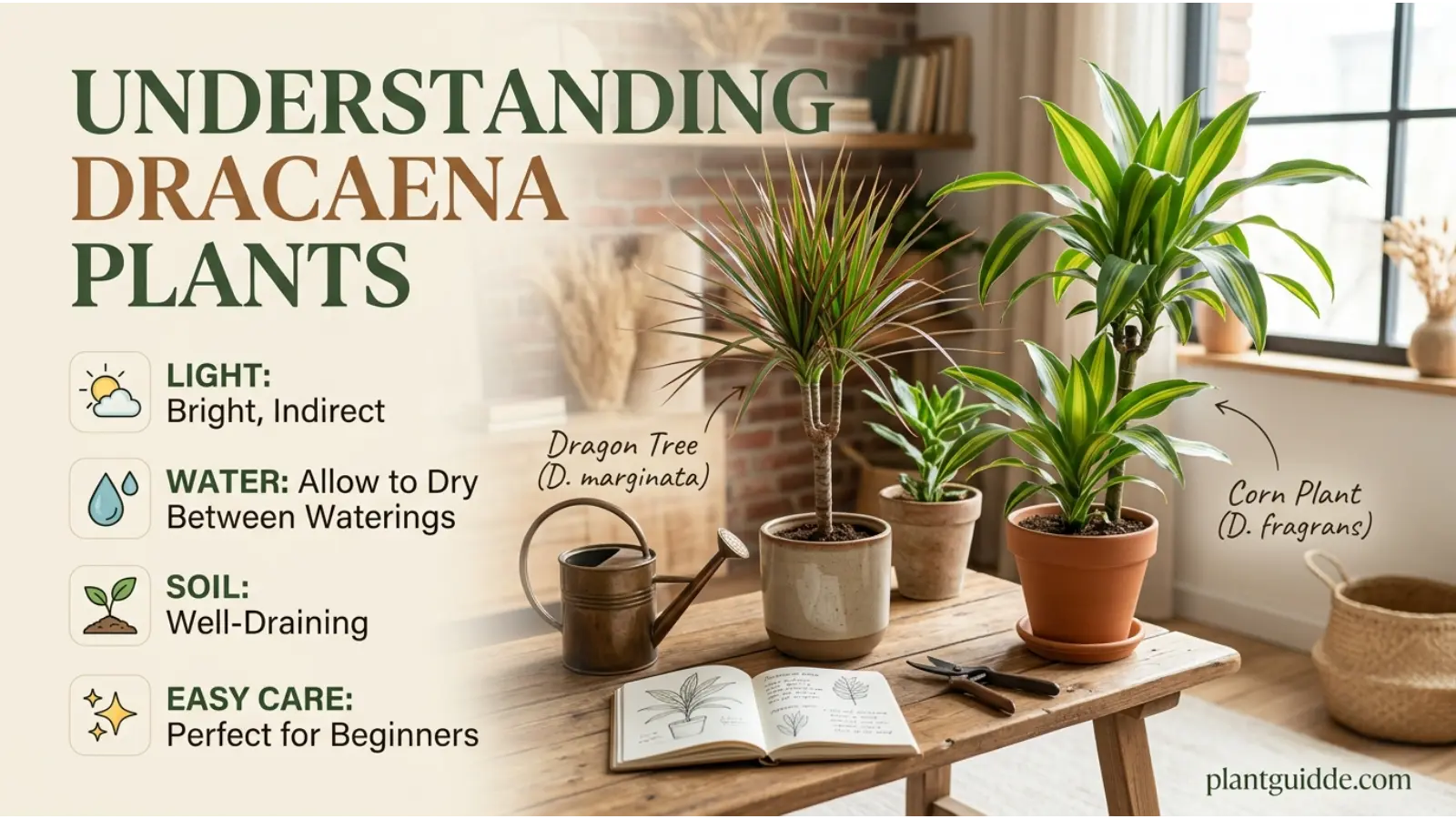
Dracaena is a genus of tropical and subtropical plants that includes several popular indoor varieties. Depending on the species, a dracaena may grow as a slender, cane-like plant, a small indoor tree, or a compact foliage plant.
Common indoor varieties include:
- Dracaena marginata: Also called the dragon tree, it has narrow, pointed leaves and slender woody stems.
- Dracaena fragrans: Commonly known as the corn plant, it produces broad leaves that often feature green, yellow, or cream-colored stripes.
- Dracaena reflexa: This species includes cultivars with narrow, colorful foliage, including Song of India.
- Dracaena trifasciata: Often called the snake plant, it was formerly classified in the genus Sansevieria and is now included in Dracaena.
Although these plants share some growing preferences, their light requirements, growth habits, and watering needs can differ. Always consider the variety you own when adjusting its care.
Best Conditions for Dracaena Plant Care
Dracaenas generally grow well indoors when they receive suitable light, consistent warmth, and a potting mix that drains effectively.
| Care factor | Recommended conditions | What to avoid |
|---|---|---|
| Light | Bright, indirect light; many varieties tolerate moderate light | Deep shade or harsh, sudden sunlight |
| Water | Water when the upper soil layer dries | Constantly wet soil |
| Soil | Loose, well-draining indoor potting mix | Dense soil that stays saturated |
| Temperature | Approximately 65–80°F (18–27°C) | Cold drafts and sudden temperature changes |
| Humidity | Average indoor humidity is usually adequate | Extremely dry air combined with other plant stress |
| Fertilizer | Balanced houseplant fertilizer during active growth | Excessive feeding |
| Container | Pot with drainage holes | Standing water around the roots |
These conditions are a useful starting point. Adjust watering and light according to your plant’s species, pot size, and indoor environment.
How Much Light Does a Dracaena Plant Need?
Light influences dracaena growth, leaf color, and the development of new foliage. Most common indoor varieties prefer bright, indirect light, although many can tolerate moderate indoor lighting.
Bright, indirect light
Place your dracaena near a bright window where sunlight is filtered or does not fall intensely on the leaves. An east-facing window can work well, while a south- or west-facing window may require more distance from the glass or a sheer curtain.
Adequate indirect light helps the plant maintain healthy foliage and supports steady growth. Variegated varieties often need brighter conditions than varieties with predominantly green leaves to maintain their patterns.
Can dracaena grow in low light?
Many dracaena varieties tolerate moderate or relatively low indoor light, but tolerance does not mean ideal growth. In dim conditions, growth may slow, leaves may lose some color, and the soil may remain wet longer.
Care for a dracaena plant your plant sits far from a window, monitor its growth and watering needs. A suitable grow light can help when natural light is insufficient.
Signs of lighting problems
- Pale or faded foliage may indicate insufficient light, although other factors can contribute.
- Scorched or bleached patches may develop after exposure to intense direct sunlight.
- Slow growth can occur when light levels are too low.
- Uneven growth may develop when light reaches the plant from only one direction.
Move the plant gradually when changing its location. Sudden exposure to strong sunlight can damage foliage that has adapted to indoor conditions.
How Often Should You Water a Dracaena Plant?
Watering is one of the most important parts of dracaena plant care. These plants need moisture to support healthy growth, but their roots also need oxygen. Soil that remains saturated for long periods can encourage root rot.
There is no single watering schedule that works for every dracaena. A plant in bright, warm conditions may dry faster than one growing in a cooler room with less light.
Follow these watering steps
- Check the soil: Feel the top 1–2 inches of soil. For larger pots, check slightly deeper to understand how quickly the root zone is drying.
- Water when appropriate: When the upper soil layer has dried, water thoroughly, taking the species and potting mix into account.
- Allow excess water to drain: Water until it flows from the drainage holes.
- Empty the saucer: Do not allow the pot to sit in standing water.
- Check again before watering: Let the soil dry to the appropriate level rather than watering automatically on a fixed day.
Dracaena plants can be sensitive to excess minerals in water, particularly fluoride and soluble salts, which may contribute to brown leaf tips in susceptible varieties. If your plant repeatedly develops brown tips despite appropriate watering and otherwise healthy roots, try rainwater, distilled water, or another low-mineral water source when practical.
How to recognize overwatering
Common warning signs include:
- Yellowing leaves that continue to spread.
- Soil that stays wet for unusually long periods.
- Soft stems or a weakened plant base.
- Dark, mushy roots.
- A persistent unpleasant smell from the potting mix.
Care for a dracaena plant root rot is suspected, remove the plant from its container and inspect the roots. Trim clearly damaged sections with clean tools and repot the plant in fresh, well-draining soil. Correct the drainage or watering problem before returning to a regular routine.
How to recognize underwatering
An underwatered dracaena may have dry soil, curling leaves, or drooping foliage. Check the root zone before watering because damaged roots can cause similar symptoms.
If the soil is dry throughout the pot, water thoroughly and let excess water drain. If the plant remains limp afterward, inspect its roots and growing conditions rather than repeatedly adding water.
Best Soil and Pot for Dracaena
Dracaenas grow best in a potting mix that provides both moisture retention and adequate airflow. A quality indoor potting mix can work well when it does not become compacted or remain waterlogged.
For a simple homemade mix, combine:
- Two parts indoor potting mix.
- One part perlite or pumice.
This is a starting point, not a strict formula. Adjust the mix if it dries too quickly or remains wet for too long.
Choose a suitable container
Use a pot with drainage holes so excess water can escape. Choose a container that comfortably accommodates the root ball without leaving a large amount of unused, wet soil around it.
Terracotta pots allow moisture to evaporate through their walls, while plastic pots retain moisture longer. Either can work if you adjust watering accordingly.
Avoid planting dracaena directly into a decorative container without drainage unless it is specifically designed for that purpose. A nursery pot placed inside a decorative cover is often a safer option.

Ideal Temperature and Humidity
Most common indoor dracaenas prefer warm, stable conditions. Temperatures around 65–80°F (18–27°C) suit many varieties.
Keep your plant away from cold drafts, frequently opened winter windows, and sudden temperature changes. Protect it from frost and avoid placing it directly beside heating or air-conditioning vents.
Average household humidity is usually sufficient. Some varieties appreciate higher humidity, but misting is not essential and does not reliably increase humidity for long.
If leaf edges become crispy, check the watering routine, root condition, and water quality before assuming the air is too dry. In very dry rooms, moving the plant away from heating vents or using a humidifier may help.
How to Fertilize a Dracaena Plant
Dracaena plants are not heavy feeders. During active growth in spring and summer, a balanced liquid houseplant fertilizer can support healthy foliage and new growth.
Apply fertilizer according to the product label. Depending on the fertilizer strength and growing conditions, feeding every four to eight weeks may be sufficient.
Follow these practical guidelines:
- Use the recommended dilution to avoid fertilizer burn.
- Do not fertilize a plant with severely damaged roots.
- Reduce or stop feeding when growth slows during winter.
- Avoid applying fertilizer to very dry soil.
- If fertilizer salts accumulate, flush the potting mix with water when the container drains freely.
Fertilizer cannot compensate for insufficient light, damaged roots, or overwatering. Correct these issues before increasing nutrient levels.
How to Prune a Dracaena Plant
Pruning helps remove damaged foliage, control height, and improve the appearance of a dracaena. Some cane-forming varieties can also produce new shoots below a pruning cut.
Remove damaged leaves
Use clean, sharp scissors to trim completely dead or badly damaged leaves. If only the tips are brown, you can carefully trim the dry sections while following the natural shape of the leaf.
Avoid cutting deeply into healthy green tissue unless necessary, because the remaining leaf area helps support the plant.
Control height on cane-forming varieties
If a cane-forming dracaena has grown too tall, you can shorten its stem with a clean cutting tool during active growth. New shoots may emerge below the cut, although the response varies with the species and condition of the plant.
Do not remove a large amount of healthy foliage at once from a weak or severely stressed plant. Allow it to recover first.
Wear gloves if you have sensitive skin, and keep pruning tools away from children and pets.
How and When to Repot Dracaena
Dracaena plants grow relatively slowly and do not need frequent repotting. Repot when roots fill the container, emerge from drainage holes, or the potting mix has deteriorated and no longer drains properly.
Spring is often a convenient time to repot because growth is becoming more active.
Step-by-step repotting
- Choose a pot one size larger than the current container.
- Carefully remove the plant and loosen tightly packed outer roots.
- Inspect the root system and remove any clearly rotting sections.
- Position the plant at approximately its previous soil depth.
- Fill around the roots with fresh, well-draining potting mix.
- Water appropriately and allow excess moisture to drain.
Avoid moving a small root system into an oversized pot. Excess soil can stay wet longer than the roots can use the available moisture, increasing the risk of root problems.
After repotting, place the plant in suitable indirect light and wait until it has settled before resuming regular fertilizing.
Common Dracaena Problems and How to Fix Them
Changes in leaf color, texture, and growth often provide clues about a plant’s condition. Check several factors together rather than assuming every symptom has a single cause.
| Problem | Possible cause | What to do |
|---|---|---|
| Yellow leaves | Overwatering, root damage, or normal aging | Check soil moisture and inspect roots if symptoms continue |
| Brown leaf tips | Water quality, fertilizer salts, inconsistent watering, or dry conditions | Review water source, feeding, and moisture levels |
| Drooping leaves | Underwatering, root damage, or environmental stress | Check the soil and roots before watering |
| Soft or dark stem | Possible stem or root rot | Inspect the plant and remove damaged tissue where appropriate |
| Slow growth | Low light, seasonal slowdown, or root problems | Improve suitable light and assess root health |
| Scorched patches | Strong direct sunlight or heat exposure | Move the plant to filtered light |
| Leaf drop | Sudden environmental changes, cold, or root stress | Stabilize temperature and check moisture |
| Small insects or sticky residue | Possible pest infestation | Inspect leaves and treat identified pests appropriately |
Why are the leaf tips turning brown?
Brown tips are common on some dracaena varieties and can have several causes, including fluoride sensitivity, mineral buildup, excess fertilizer, irregular watering, or dry conditions.
First, review the water source and fertilizer routine. If you use highly mineralized tap water, try a lower-mineral alternative when practical. Check that the soil drains properly and does not remain saturated.
Trim dry tips for appearance, but remember that trimming alone will not solve the underlying problem.
Why are the leaves turning yellow?
A few older leaves may yellow naturally as the plant grows. Widespread yellowing, particularly when the soil stays wet, can indicate overwatering or root damage.
Check how quickly the potting mix dries, confirm that drainage holes are clear, and inspect the roots if the plant continues to decline. Do not automatically add more water or fertilizer without identifying the likely cause.
How do you manage pests?
Dracaenas can occasionally develop spider mites, mealybugs, scale insects, or thrips.
Inspect the undersides of leaves, leaf joints, and stems. Isolate an affected plant, remove visible pests where possible, and use a houseplant-labeled insecticidal soap or another suitable treatment according to its instructions. Test the product on a small area first if the foliage may be sensitive.
Repeat inspections because some pests are difficult to eliminate in a single treatment.
Is a Dracaena Plant Safe for Pets?
No. Dracaena plants are considered toxic to cats and dogs if ingested. They contain saponins that can cause symptoms such as vomiting, drooling, reduced appetite, and gastrointestinal discomfort.
Place the plant where pets cannot chew its leaves. If a pet eats part of the plant, contact a veterinarian for guidance, especially if symptoms develop.
Because common names can refer to different plants, identify your particular dracaena variety when seeking veterinary advice.
Can You Grow Dracaena Outdoors?
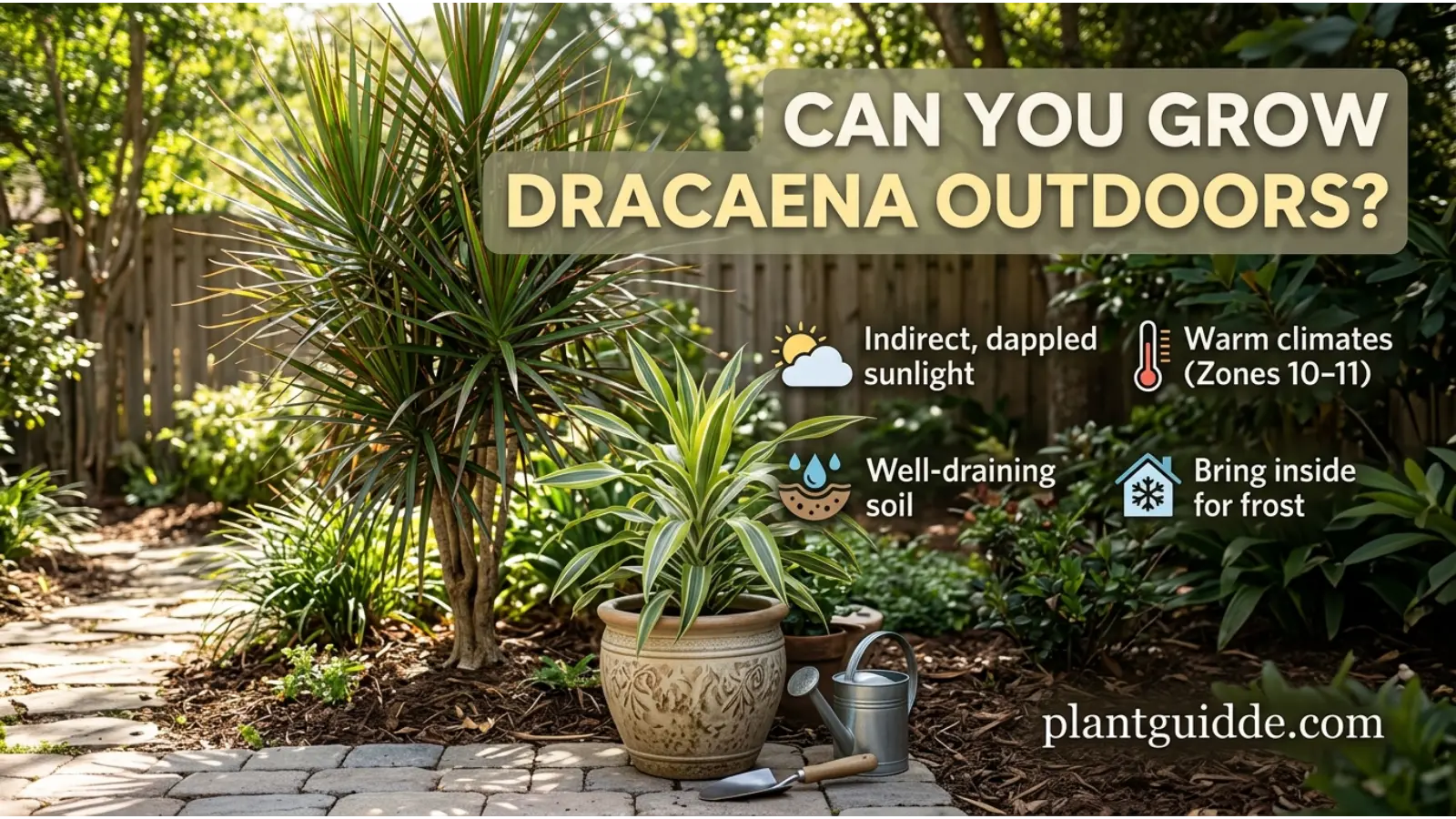
Some dracaena varieties can grow outdoors in warm climates, provided temperatures remain suitable and the plants receive appropriate light.
Choose a sheltered location with bright filtered light or gentle morning sun. Acclimate indoor plants gradually before moving them outdoors, because sudden exposure to strong sunlight can scorch their leaves.
Use well-draining soil and avoid areas where water collects around the roots. In climates with cold winters, grow dracaena in containers so you can move it indoors before temperatures become damaging.
FAQs:
How often should I water a dracaena plant?
Water when the upper 1–2 inches of soil have dried, adjusting for the species, pot size, and indoor conditions. Water thoroughly and let excess water drain. Avoid watering again while the soil remains wet.
Can dracaena grow in low light?
Many dracaena varieties tolerate moderate or low indoor light, but growth usually slows in dim conditions. Bright, indirect light generally supports healthier foliage and more consistent growth. Water less frequently when the soil takes longer to dry.
Why does my dracaena have brown leaf tips?
Brown tips may result from fluoride or mineral sensitivity, fertilizer buildup, inconsistent watering, or dry conditions. Review your water source, feeding habits, and drainage. If the problem persists, try lower-mineral water and check the roots.
Should I mist my dracaena plant?
Regular misting is not necessary for most indoor dracaenas. It provides only a temporary increase in moisture around the leaves. Maintaining appropriate watering, stable temperatures, and good root health is generally more useful.
How do I make my dracaena grow faster?
Provide suitable bright, indirect light, warm temperatures, healthy roots, and balanced fertilizer during active growth. Avoid excessive feeding or watering to force growth. Dracaena plants naturally grow at different rates depending on their species and growing conditions.
Conclusion
Learning how to care for a dracaena plant becomes much easier when you focus on its essential needs: suitable indirect light, well-draining soil, careful watering, and stable indoor temperatures. Watch for brown tips, yellow leaves, and changes in growth, but investigate the underlying cause before changing your routine.
Start by checking your plant’s light exposure, soil moisture, and drainage. Small, informed adjustments are usually more effective than frequent watering, excessive fertilizer, or unnecessary repotting.

Asad Mumtaz is a dedicated plant enthusiast and gardening writer with a passion for helping people care for their plants successfully. He specializes in plant care guides, indoor gardening, and practical growing tips for all skill levels. His content focuses on making gardening simple, enjoyable, and rewarding. Through his work, Asad shares reliable advice to help readers create thriving green spaces.