Care of a tomato plant tomatoes can be surprisingly rewarding, but healthy plants need more than sunlight and occasional watering. Tomatoes grow quickly, produce heavy fruit, and respond noticeably when their basic needs are not being met.
If you are learning how to take care of a tomato plant, the most important habits are consistent watering, strong sunlight, good soil, proper support, and regular observation.
Problems such as yellow leaves, blossom-end rot, curling foliage, poor fruit production, and cracked tomatoes are often connected to growing conditions rather than a single disease.
Quick Answer
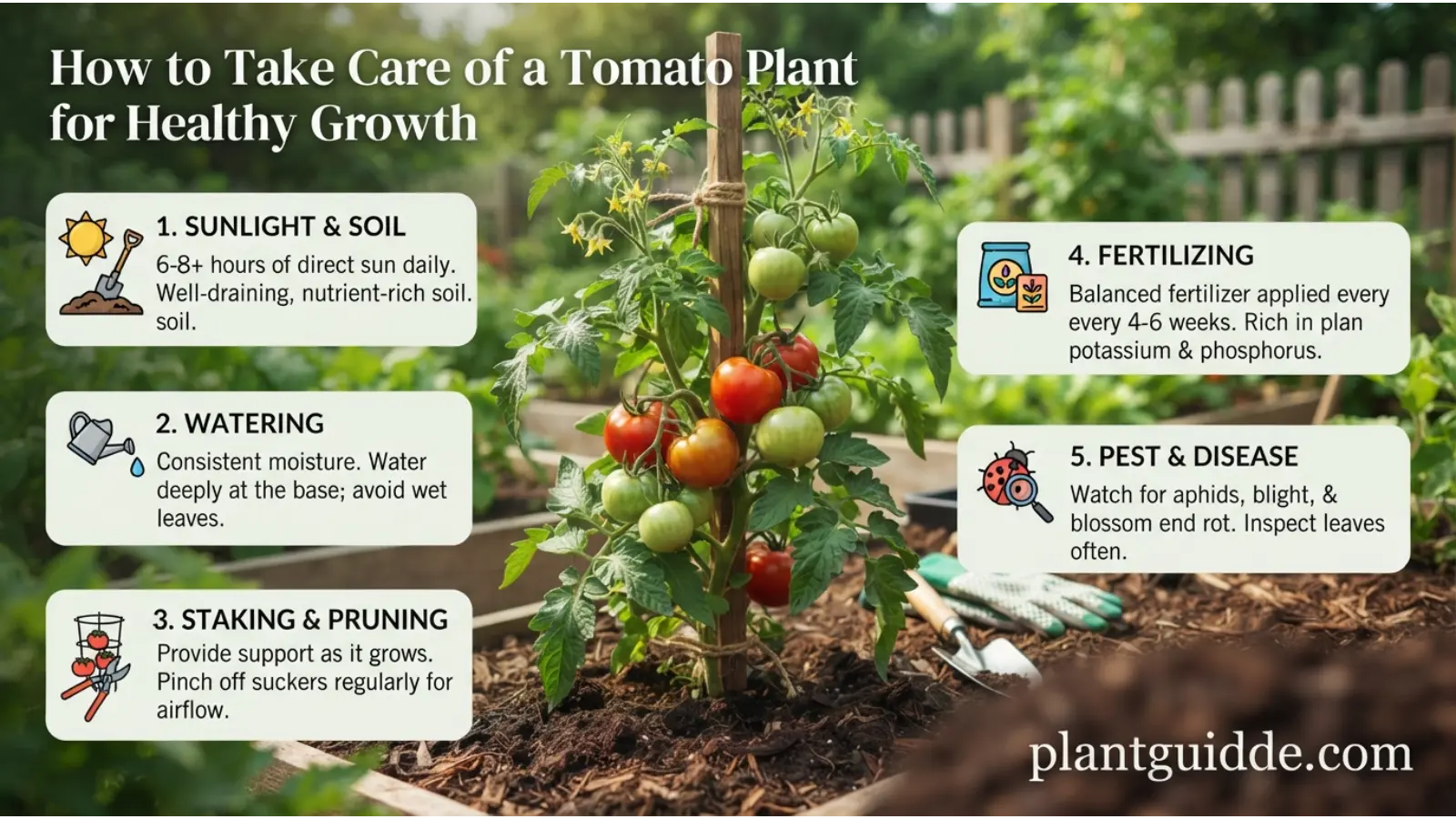
To learn how to take care of a tomato plant, give it 6–8 hours of direct sunlight, well-draining fertile soil, consistent moisture, and adequate space for airflow.
Water deeply when the top layer of soil begins to dry, support the plant as it grows, feed it appropriately, and regularly check for pests, diseases, and signs of nutrient or watering problems.
What Does a Tomato Plant Need to Grow Well?
Tomatoes perform best when several growing conditions work together. A plant may survive with less-than-ideal care, but consistent conditions are what help it produce vigorous growth and a good crop.
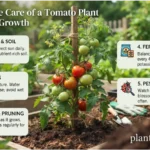
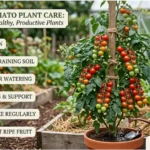
The main requirements are:
| Need | What Tomatoes Generally Prefer |
|---|---|
| Sunlight | About 6–8 hours of direct sun daily |
| Soil | Fertile, well-draining soil rich in organic matter |
| Water | Deep, consistent watering rather than frequent shallow watering |
| Temperature | Warm conditions without prolonged extreme heat |
| Feeding | Regular nutrition during active growth and fruit production |
| Support | Stake, cage, trellis, or another sturdy support |
| Airflow | Enough space between plants to reduce humidity around foliage |
| Pruning | Light, purposeful pruning depending on tomato type and growing system |
The exact requirements can vary with the cultivar, climate, container size, and whether the plant is determinate or indeterminate.
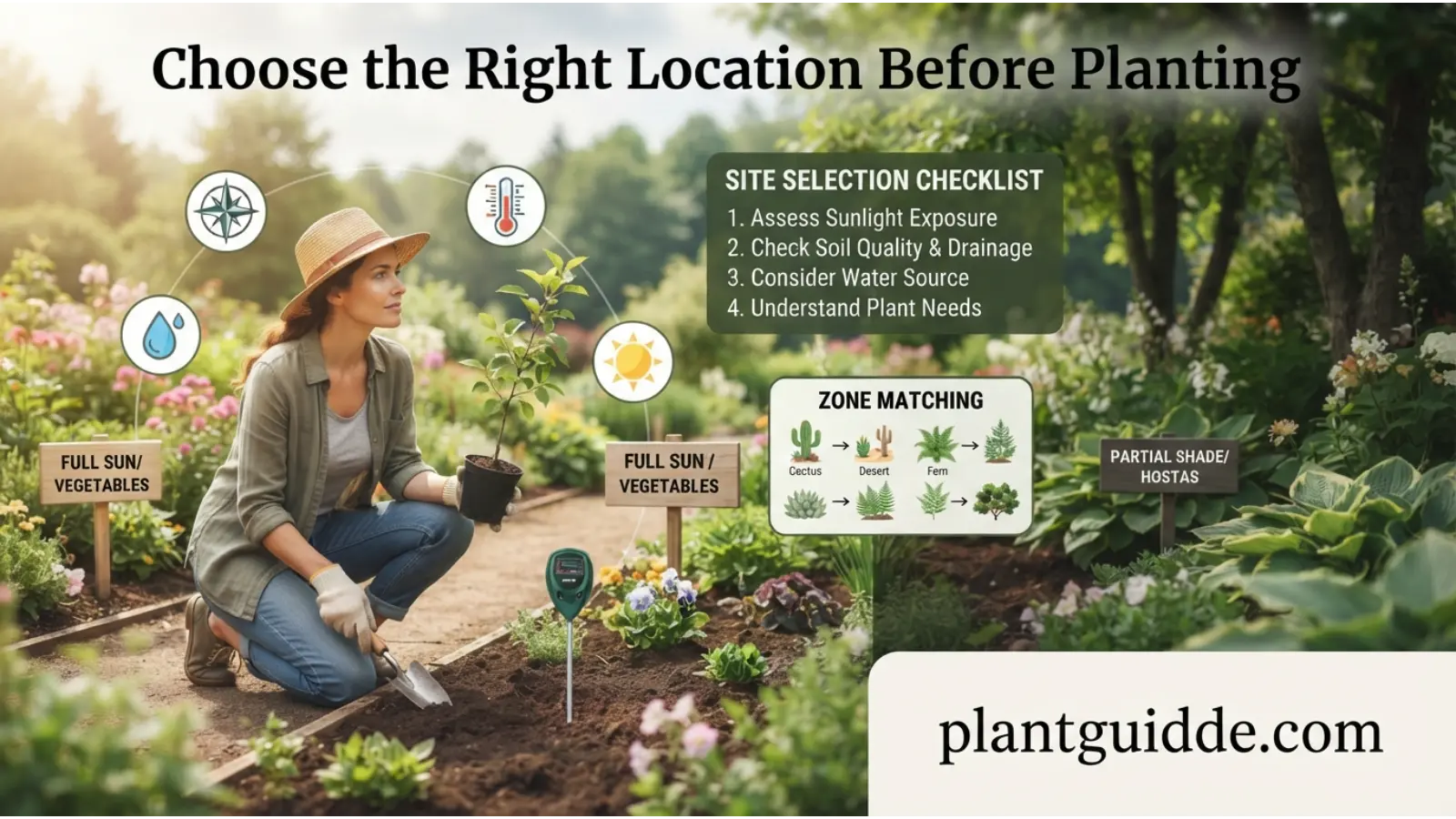
Choose the Right Location Before Planting
The easiest way to make tomato plant care more successful is to choose an appropriate location from the beginning.
Tomatoes need plenty of direct sunlight. A location that receives strong morning and afternoon sun is generally preferable to a spot shaded by walls, trees, or buildings for much of the day.
Good air movement also matters. Crowded plants with constantly damp foliage can have more disease problems, particularly in humid conditions.
Avoid planting tomatoes where water regularly collects after rain or irrigation. Tomato roots need moisture, but they also need oxygen. Permanently saturated soil can restrict roots and increase the risk of root problems.
Container tomatoes need extra attention
Tomatoes can grow successfully in containers, but small pots dry out much faster than garden beds.
Choose a container large enough for the variety you are growing and make sure it has drainage holes. A container tomato may need watering more frequently during hot weather because the limited soil volume loses moisture quickly.
Plant Tomatoes in Good Soil
Healthy roots are the foundation of productive tomato plants.
Tomatoes prefer fertile soil that drains well while still holding enough moisture for steady growth. Incorporating mature compost or other suitable organic matter can improve soil structure and provide nutrients.
Avoid heavy, compacted soil that stays wet for long periods.
Before planting, loosen the soil so roots can establish easily. If your native soil drains poorly, consider growing tomatoes in a raised bed or improving the growing medium rather than simply watering less.
For containers, use a quality potting mix rather than ordinary garden soil, which can become dense and poorly aerated in pots.
Give Tomato Plants Enough Sunlight
Sunlight directly influences tomato growth and fruit production.
Aim for around 6–8 hours of direct sunlight per day when possible. Plants grown in insufficient light may become tall and weak, develop sparse foliage, or produce fewer flowers and fruits.
Care of a tomato plant a tomato plant is stretching toward a window or leaning strongly in one direction, inadequate light may be part of the problem.
In very hot climates, however, intense afternoon heat can create additional stress. Providing some protection during extreme heat may help, particularly for container plants, but excessive shade can reduce flowering and fruit production.
Water Tomatoes Deeply and Consistently
Watering is one of the most important parts of tomato plant care.
Instead of following a rigid schedule, check the soil and consider the weather, plant size, container, and growing conditions.
When the upper layer of soil begins to dry, water thoroughly so moisture reaches the deeper root zone. Then allow the appropriate portion of the soil to dry before watering again.
The goal is consistent moisture, not constantly wet soil.
How often should you water a tomato plant?
There is no single correct number of days between waterings.
A tomato growing in a small container during hot weather may need water much more frequently than one growing in a large garden bed during mild weather.
Check the soil before watering. If it is still noticeably moist below the surface, additional water may not be necessary.
During hot, dry periods, check plants more frequently because tomatoes can lose water quickly through their leaves.
Water the soil, not the leaves
Whenever possible, direct water toward the base of the plant rather than repeatedly wetting the foliage.
Wet foliage that remains damp for extended periods can create conditions favorable to some fungal and bacterial diseases. Watering early in the day can also give any moisture that reaches the leaves more time to dry.
Feed Tomato Plants Without Overdoing It
Tomatoes are relatively heavy feeders, particularly once they are actively growing and producing fruit.
A fertile soil can supply some nutrients, but container-grown tomatoes and plants producing a heavy crop may require additional feeding.
Use a fertilizer appropriate for vegetables and follow its label directions. Avoid assuming that more fertilizer will automatically produce more tomatoes.
Excessive nitrogen can encourage lush leafy growth while reducing the balance between vegetative growth and fruit production.
Care of a tomato plant leaves are pale, growth is weak, or fruit production is poor, consider the entire growing environment before adding fertilizer. Poor light, damaged roots, inconsistent watering, temperature stress, and pests can all produce similar-looking symptoms.
Support Tomato Plants as They Grow
Many tomato varieties become too large and heavy to remain upright without support.
Install a tomato cage, stake, trellis, or other appropriate support early rather than waiting until the plant becomes large and difficult to handle.
Supporting the plant helps keep foliage and fruit off the ground, improves access for watering and harvesting, and can make it easier to inspect the plant for pests and disease.
Use soft ties when securing stems to stakes. Avoid tightly wrapping thin string or wire around growing stems because the plant can expand as it grows.
Pruning Tomato Plants: What Should You Remove?
Pruning is often misunderstood.
You do not necessarily need to remove every side shoot or leaf from a tomato plant. The appropriate approach depends on the variety and your growing system.
Indeterminate tomatoes continue growing and can benefit from selective training and pruning. Determinate varieties have a more compact growth pattern and generally require less aggressive pruning.
Remove leaves that are clearly dead, diseased, or severely damaged. If you prune healthy growth, do so selectively rather than stripping the plant.
Too much pruning can expose fruit and stems to intense sunlight and reduce the plant’s ability to produce energy.
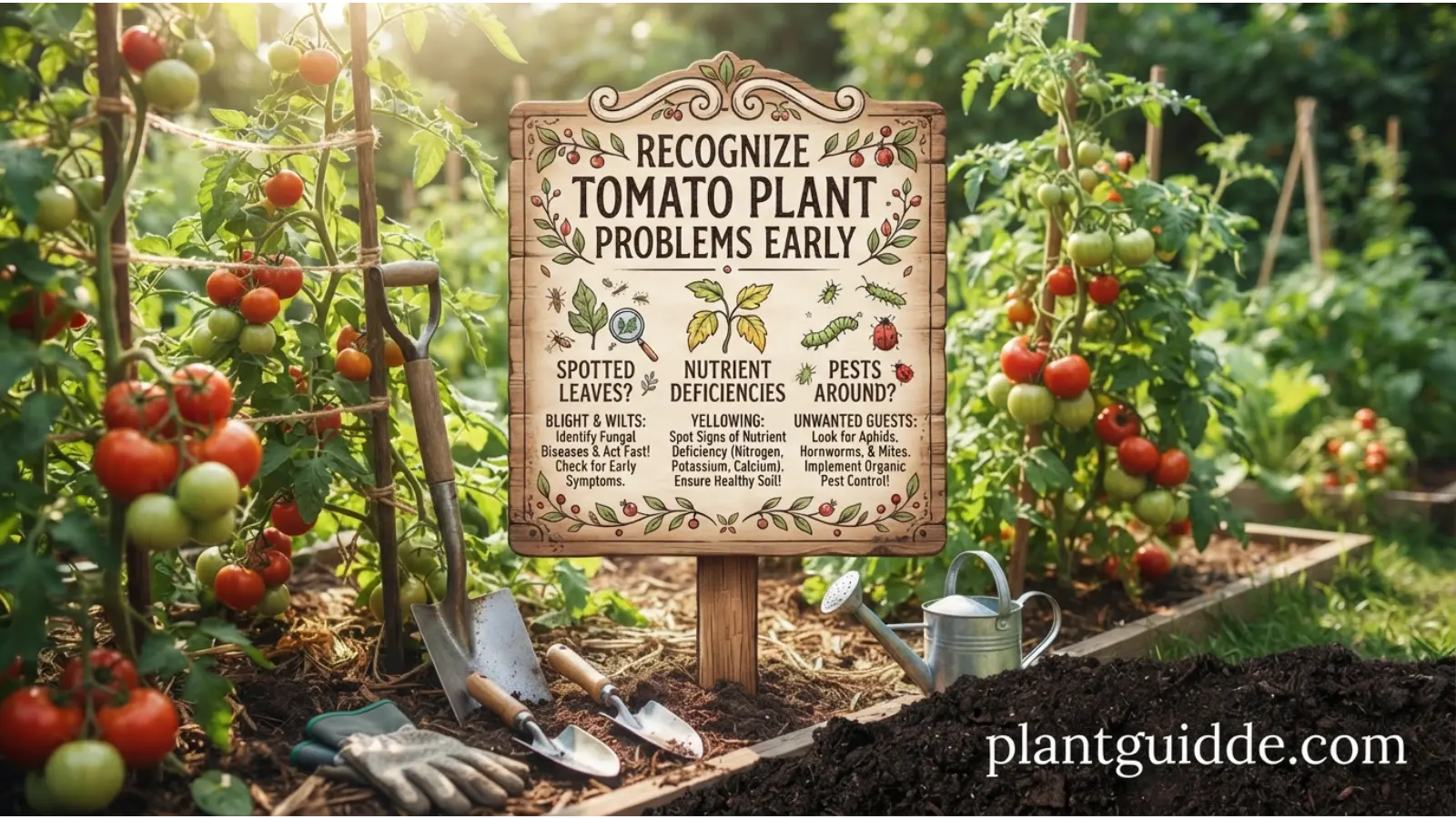
Recognize Tomato Plant Problems Early
One of the best tomato care habits is checking your plants regularly.
Spend a few minutes looking at:
- New leaves and growing tips
- The undersides of leaves
- Flower clusters
- Developing fruit
- Stems near the soil
- Soil moisture
- Signs of insects or disease
Early detection is much easier to manage than waiting until an entire plant is affected.
Yellow leaves
Yellowing can have several causes, including:
- Overwatering
- Poor drainage
- Nutrient deficiencies
- Root damage
- Natural aging of older leaves
- Disease
Do not automatically assume yellow leaves mean the plant needs fertilizer. First examine watering, drainage, sunlight, and the location of the affected leaves.
Wilting leaves
Wilting can occur because the soil is too dry, but watering is not always the answer.
If the soil is dry and the plant is wilted, inadequate moisture is a likely factor. If the soil is already wet, continued watering may make the situation worse.
Heat stress can also cause temporary wilting during very hot conditions.
Blossom-end rot
Blossom-end rot appears as a dark, sunken area on the bottom of developing tomatoes.
It is commonly associated with problems involving calcium availability within the developing fruit, often occurring when the plant experiences inconsistent water availability. The solution is not simply adding large amounts of calcium. Maintaining even soil moisture and healthy root function is an important part of prevention.
Cracked tomatoes
Fruit cracking commonly occurs when tomatoes experience rapid changes in water availability, particularly after a dry period followed by substantial moisture.
Keeping soil moisture more consistent can help reduce the problem, although weather and variety also influence cracking.
Flowers but no tomatoes
A tomato plant can produce flowers without setting much fruit when growing conditions are unfavorable.
Possible contributing factors include:
- Excessive heat
- Poor sunlight
- Nutritional imbalance
- Water stress
- Poor pollination conditions
In areas with very hot weather, fruit set can temporarily decline even when the plant looks otherwise healthy.
Protect Tomato Plants From Common Pests
Tomatoes can attract a variety of insects.
Regular inspection is more useful than waiting until damage becomes severe. Look closely at new growth, leaf undersides, stems, and developing fruit.
Common tomato pests can include aphids, whiteflies, caterpillars, and various beetles depending on the region.
If you notice insects, first identify the pest before applying a treatment. Different pests require different management approaches, and unnecessary pesticide use can harm beneficial insects.
Removing heavily damaged plant material, improving airflow, physically removing larger pests, and using an appropriate treatment when necessary can all be part of an integrated approach.
Prevent Common Tomato Diseases
Good growing conditions are an important part of disease management.
Reduce prolonged leaf wetness, avoid overcrowding, provide adequate airflow, and remove severely diseased plant material when appropriate.
Do not compost diseased material unless your composting system reaches conditions capable of safely processing it.
Crop rotation can also be useful in garden beds because repeatedly growing related crops in the same location can increase the persistence of some soil-associated problems.
When diagnosing a disease, look at the pattern of symptoms rather than treating every brown or yellow leaf as the same problem.
Determinate vs. Indeterminate Tomatoes
Knowing which type of tomato you are growing can make care decisions much easier.
Determinate tomatoes generally have a more compact growth habit and produce much of their crop over a relatively concentrated period. They are often useful for containers and gardeners who want a more compact plant.
Indeterminate tomatoes continue producing new stems and fruit clusters over a longer growing period when conditions remain suitable. They usually need stronger support and more space.
Check the plant’s cultivar information when possible. This tells you more about its expected growth habit than simply judging the young plant by appearance.
A Simple Tomato Plant Care Routine
You do not need to spend hours caring for tomatoes every day.
A practical routine can look like this:
Every few days:
Check soil moisture, particularly during hot or dry weather.
Weekly:
Inspect leaves, stems, flowers, and fruit for pests, disease, or unusual growth.
As the plant grows:
Secure new growth to its support and remove clearly dead or diseased leaves.
During flowering and fruit development:
Maintain consistent moisture and monitor nutritional needs.
During harvest:
Pick ripe or appropriately mature fruit regularly and continue monitoring the plant rather than abandoning care after the first harvest.
The frequency should change with weather and plant conditions. A hot week may require considerably more attention than a cool, rainy period.
Common Tomato Growing Mistakes to Avoid
Watering on a rigid schedule
A calendar cannot account for temperature, rainfall, soil type, container size, or plant maturity.
Check the soil and weather instead.
Keeping the soil constantly wet
Tomatoes need water, but their roots also need oxygen. Poor drainage and excessive irrigation can create serious root problems.
Giving too little sunlight
Tomatoes are not low-light plants. If sunlight is limited, fruit production and plant structure can suffer.
Using too much fertilizer
More fertilizer does not necessarily mean more fruit. Excessive feeding can create excessive leafy growth or contribute to nutrient problems.
Waiting too long to add support
Large tomato plants become much harder to train after they have fallen over or developed tangled stems.
Pruning too aggressively
Removing large amounts of healthy foliage can stress the plant and expose fruit to excessive sunlight.
Ignoring the underside of leaves
Many pests begin on hidden portions of the plant. A quick inspection underneath leaves can reveal problems before they become obvious from above.
How to Improve Tomato Production in Containers
Container tomatoes require slightly different attention because the root environment is limited.
Use a sufficiently large container with drainage holes and a quality growing medium. Place it where the plant receives strong sunlight.
Containers can heat up and dry out quickly, especially when exposed to hot weather. Check moisture more frequently than you would for an established garden bed.
Do not allow the container to sit permanently in a saucer full of stagnant water.
As the plant becomes larger, make sure its support is strong enough to handle both the mature plant and the weight of fruit.
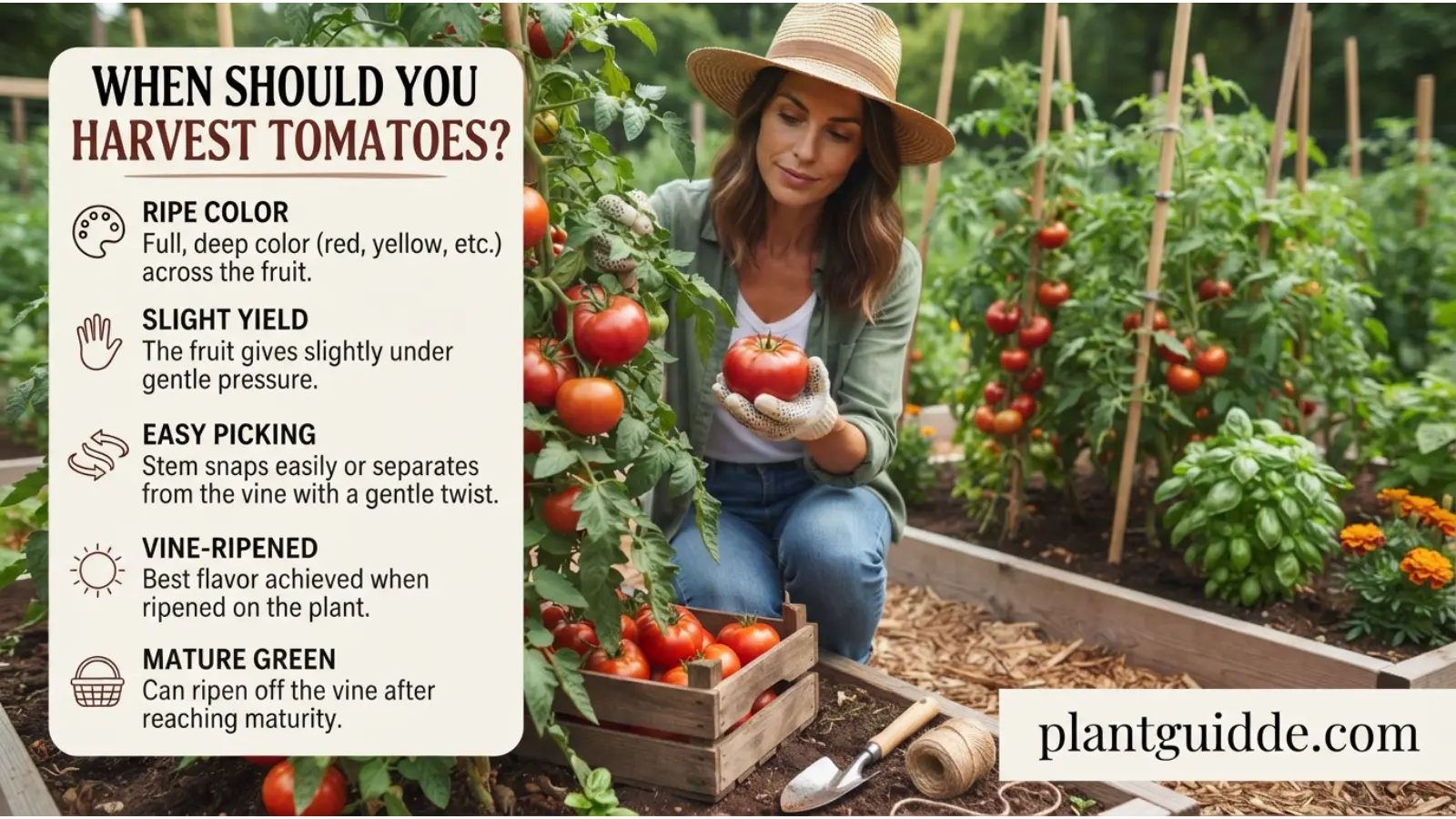
When Should You Harvest Tomatoes?
Harvest timing depends on the variety and how you plan to use the fruit.
Many tomatoes develop their best flavor when allowed to ripen substantially on the plant. However, tomatoes can also be harvested when they have begun the ripening process and allowed to finish ripening under suitable conditions.
Handle fruit gently to avoid bruising.
Regular harvesting encourages you to keep inspecting the plant and prevents ripe fruit from remaining exposed longer than necessary.
FAQs:
How often should I water a tomato plant?
Water when the soil begins to dry rather than following a fixed schedule. Water deeply enough to moisten the root zone, then allow the appropriate amount of drying before watering again. Hot weather, containers, sandy soil, and large plants can all increase watering needs.
How much sunlight does a tomato plant need?
Tomatoes generally perform best with around 6–8 hours of direct sunlight each day. Insufficient sunlight can result in weak, stretched growth and reduced flowering and fruit production.
Why are my tomato plant leaves turning yellow?
Yellow leaves can result from overwatering, poor drainage, nutrient problems, root stress, disease, or normal aging of older foliage. Look at the entire plant and growing conditions before deciding on a treatment.
Should I remove the leaves from a tomato plant?
Remove dead, diseased, or severely damaged leaves when appropriate, but avoid stripping away large amounts of healthy foliage. The amount of pruning needed also depends on whether the variety is determinate or indeterminate.
Why does my tomato plant have flowers but no fruit?
Poor fruit set can occur because of excessive heat, insufficient sunlight, water stress, nutritional problems, or unfavorable pollination conditions. If the plant is flowering but temperatures are unusually high, temporary reductions in fruit set may occur.
Final Thoughts
Learning how to take care of a tomato plant is less about following a rigid schedule and more about maintaining the conditions tomatoes actually need. Give the plant strong sunlight, fertile and well-draining soil, consistent moisture, suitable nutrition, reliable support, and enough airflow.
Most importantly, learn to read the plant. Yellow leaves, wilting, cracked fruit, blossom-end rot, weak growth, and poor fruit set are clues that something in the growing environment needs attention. Regular observation lets you correct problems early instead of trying to rescue a stressed plant later.
Start with the basics: sunlight, soil, water, support, and observation. Once those are consistent, tomato care becomes much more predictable and product

Asad Mumtaz is a dedicated plant enthusiast and gardening writer with a passion for helping people care for their plants successfully. He specializes in plant care guides, indoor gardening, and practical growing tips for all skill levels. His content focuses on making gardening simple, enjoyable, and rewarding. Through his work, Asad shares reliable advice to help readers create thriving green spaces.