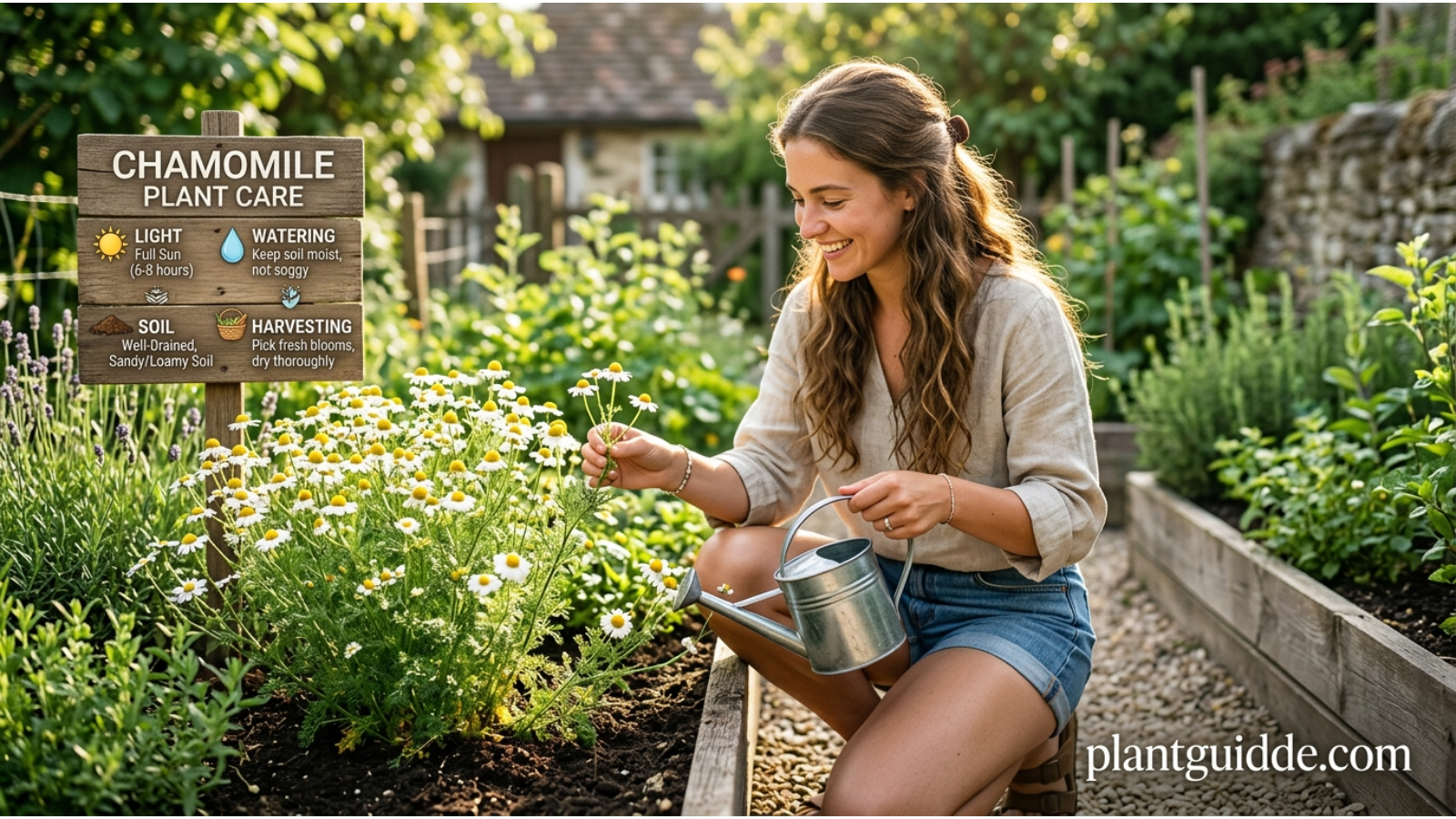
Chamomile Plant Care is often grown for its small, daisy-like flowers, delicate foliage, and naturally calming herbal qualities. It can look effortless in a garden, but successful chamomile plant care depends on getting a few basics right: sunlight, drainage, watering, airflow, and harvesting.
The biggest mistake is usually treating chamomile like a thirsty herb that needs constantly moist soil. Although young plants need consistent moisture while establishing, mature chamomile generally performs better when the soil drains freely and is allowed to become somewhat dry between waterings.
With the right conditions, chamomile can produce abundant flowers while remaining relatively low-maintenance. Understanding which type you are growing also makes a difference, because German chamomile grows as an annual upright herb, while Roman chamomile is a low-growing perennial.
Quick Answer
Chamomile plant care is mainly about giving the plant plenty of sunlight, well-draining soil, moderate moisture, and good airflow. Water when the soil begins to dry rather than keeping it constantly wet.
Chamomile grows best when its roots are not waterlogged, and regular harvesting encourages fresh flowers. Both German chamomile and Roman chamomile prefer similar basic conditions, but they differ in growth habit and lifespan.
What Is Chamomile?
Chamomile refers to several daisy-like plants in the Asteraceae family, but two species are especially common in gardens and herbal use:
- German chamomile (Matricaria chamomilla or Matricaria recutita): A fast-growing annual that develops upright stems and numerous small flowers.
- Roman chamomile (Chamaemelum nobile): A low-growing perennial that can spread along the ground and is sometimes used as a fragrant ground cover.
German chamomile is generally the better choice when your main goal is harvesting flowers during a single growing season. Roman chamomile is more useful when you want a perennial plant that returns under suitable conditions.
Both produce flowers with white petals surrounding a yellow center, but their growth habits are noticeably different.
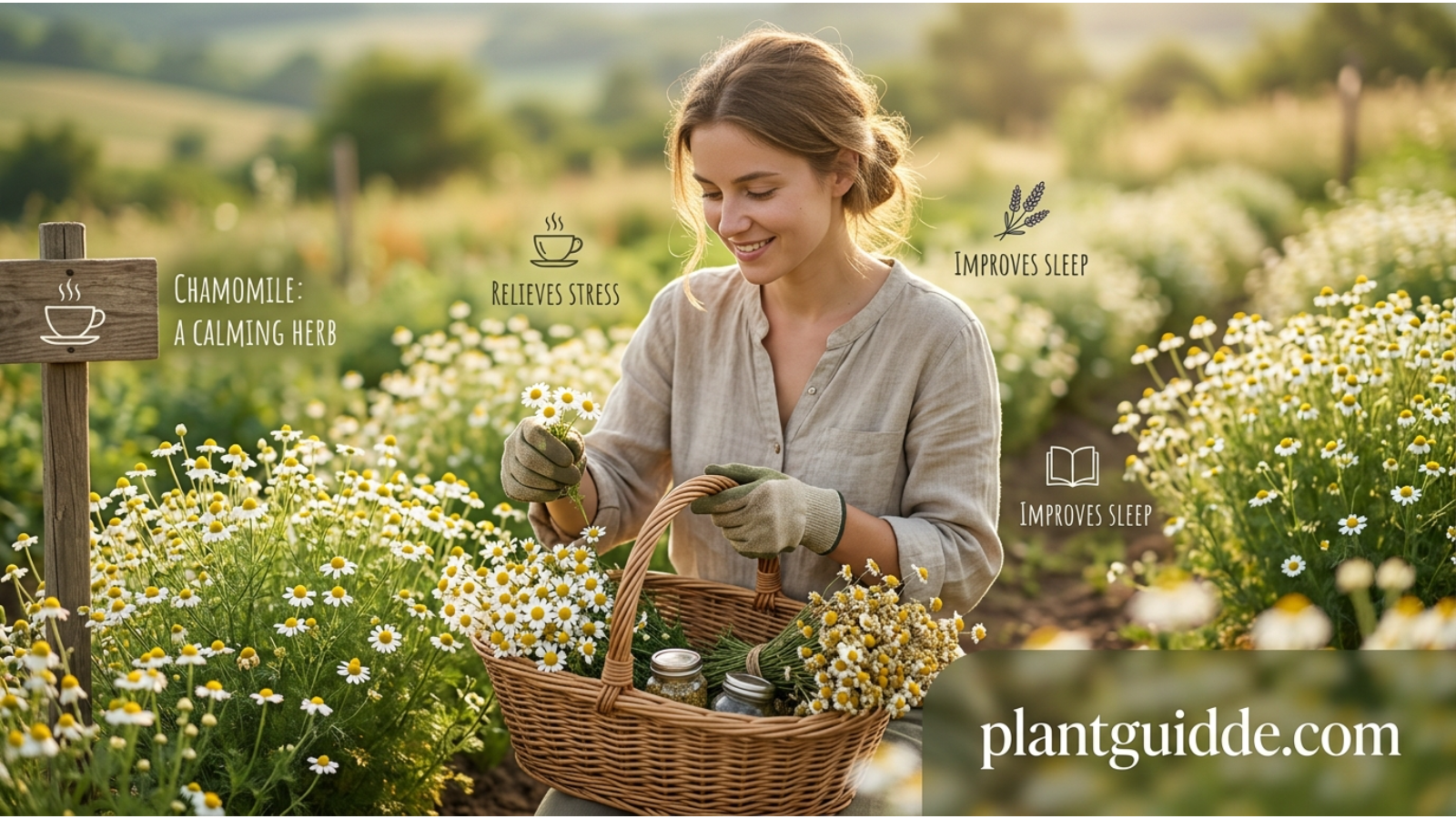
Chamomile Plant Care at a Glance
| Care Requirement | What Chamomile Prefers |
|---|---|
| Light | Full sun, with some protection from intense afternoon heat in very hot climates |
| Soil | Light, fertile, well-draining soil |
| Water | Moderate; allow the surface to begin drying between waterings |
| Temperature | Mild to warm growing conditions |
| Humidity | Average outdoor humidity with good airflow |
| Fertilizer | Usually light feeding is sufficient |
| Pruning | Mostly harvesting and removing unwanted growth |
| Flowering | Encouraged by adequate sunlight and regular harvesting |
| Pot | Must have drainage holes |
| Common problems | Root rot, weak growth, fungal issues, pests, poor flowering |
How Much Sun Does Chamomile Need?
Chamomile generally grows best in full sun, meaning several hours of direct sunlight each day.
Good light is particularly important for flowering. Plants grown in excessively shady locations may become thin and stretched, produce fewer flowers, or lean toward the brightest available light.
A practical location is:
- An open garden bed with strong morning and afternoon sunlight
- A sunny balcony or patio
- A container placed near a bright outdoor location
- A bright windowsill if growing chamomile indoors
In extremely hot climates, intense afternoon sun combined with high temperatures can stress container-grown plants. In that situation, morning sun followed by some afternoon protection can help prevent excessive heat stress.
Practical tip: If your chamomile has plenty of leaves but very few flowers, check light before adding fertilizer. Insufficient sunlight is often a more likely explanation than a nutrient deficiency.
Best Soil for Chamomile
Good drainage is one of the most important parts of chamomile plant care.
Chamomile does not perform well when its roots remain surrounded by water for long periods. Heavy, compacted soil can restrict oxygen around the roots and increase the risk of root problems.
Use soil that is:
- Loose and well-draining
- Moderately fertile
- Rich enough to support steady growth
- Not excessively heavy or compacted
For containers, a quality potting mix designed for herbs or general container plants is usually suitable. Adding a drainage-improving component such as perlite can be useful when the existing mix holds too much water.
Avoid planting chamomile in a container without drainage holes. Decorative pots can look attractive, but trapped water at the bottom can create problems even when the surface of the soil appears reasonably dry.
How to Water Chamomile
Watering is one of the easiest parts of chamomile plant care to get wrong.
Young chamomile seedlings need more consistent moisture because their root systems are still developing. Once established, however, chamomile generally prefers watering followed by some drying rather than permanently wet soil.
A useful approach is:
- Check the top layer of soil with your finger.
- If it has started to dry, water thoroughly.
- Allow excess water to drain completely.
- Do not let the container sit in standing water.
- Check the soil again before watering.
The exact watering frequency depends on temperature, sunlight, soil, pot size, and rainfall. A plant growing in a small container under hot sunlight may need water much more frequently than one planted in the ground.
Signs of Too Much Water
Watch for:
- Yellowing foliage
- Persistently wet soil
- Weak or declining growth
- Soft stems near the soil
- Unpleasant-smelling soil
- Root deterioration
Signs of Too Little Water
Underwatered chamomile may show:
- Wilting
- Dry or crispy foliage
- Rapid loss of soil moisture
- Slower growth
- Drooping during hot weather
Do not use a rigid calendar such as watering every two or three days regardless of conditions. Checking the soil gives you a much better indication of when water is actually needed.
Temperature and Humidity Requirements
Chamomile prefers moderate growing conditions and generally handles normal outdoor conditions well once established.
Extreme heat can cause plants to lose moisture quickly, especially in containers. During periods of intense heat, monitor the soil more frequently rather than automatically increasing watering on a fixed schedule.
Good airflow is also important. Crowded plants and constantly wet foliage create a more favorable environment for fungal problems.
Chamomile does not usually require artificially high humidity. Instead, focus on:
- Adequate spacing
- Good airflow
- Morning watering when possible
- Avoiding unnecessary wetting of the foliage
- Well-draining soil
Fertilizing Chamomile
Chamomile usually does not require heavy fertilization.
Overfertilizing can encourage excessive leafy growth rather than producing the balanced, compact growth and flowers you actually want.
If the soil is reasonably fertile, you may not need frequent feeding at all. When growing in containers or poor soil, a mild, balanced fertilizer used according to its label can support growth.
Avoid assuming that more fertilizer means more flowers. If flowering is poor, first evaluate sunlight, plant age, temperature, watering, and overall growing conditions.
How to Grow Chamomile in Containers
Chamomile can grow successfully in containers, making it useful for balconies, patios, small gardens, and sunny outdoor spaces.
Choose a container with:
- Drainage holes
- Enough depth for the root system
- A quality, well-draining potting mix
- Adequate space for the mature growth habit
German chamomile can become relatively upright and bushy, while Roman chamomile tends to spread more horizontally.
Container-grown chamomile usually dries faster than garden-grown plants. During warm weather, check the soil regularly rather than assuming the plant needs water simply because it is in a pot.
Common container mistake: placing a nursery pot inside a decorative cachepot and leaving drained water sitting around the bottom. Always empty accumulated water after watering.
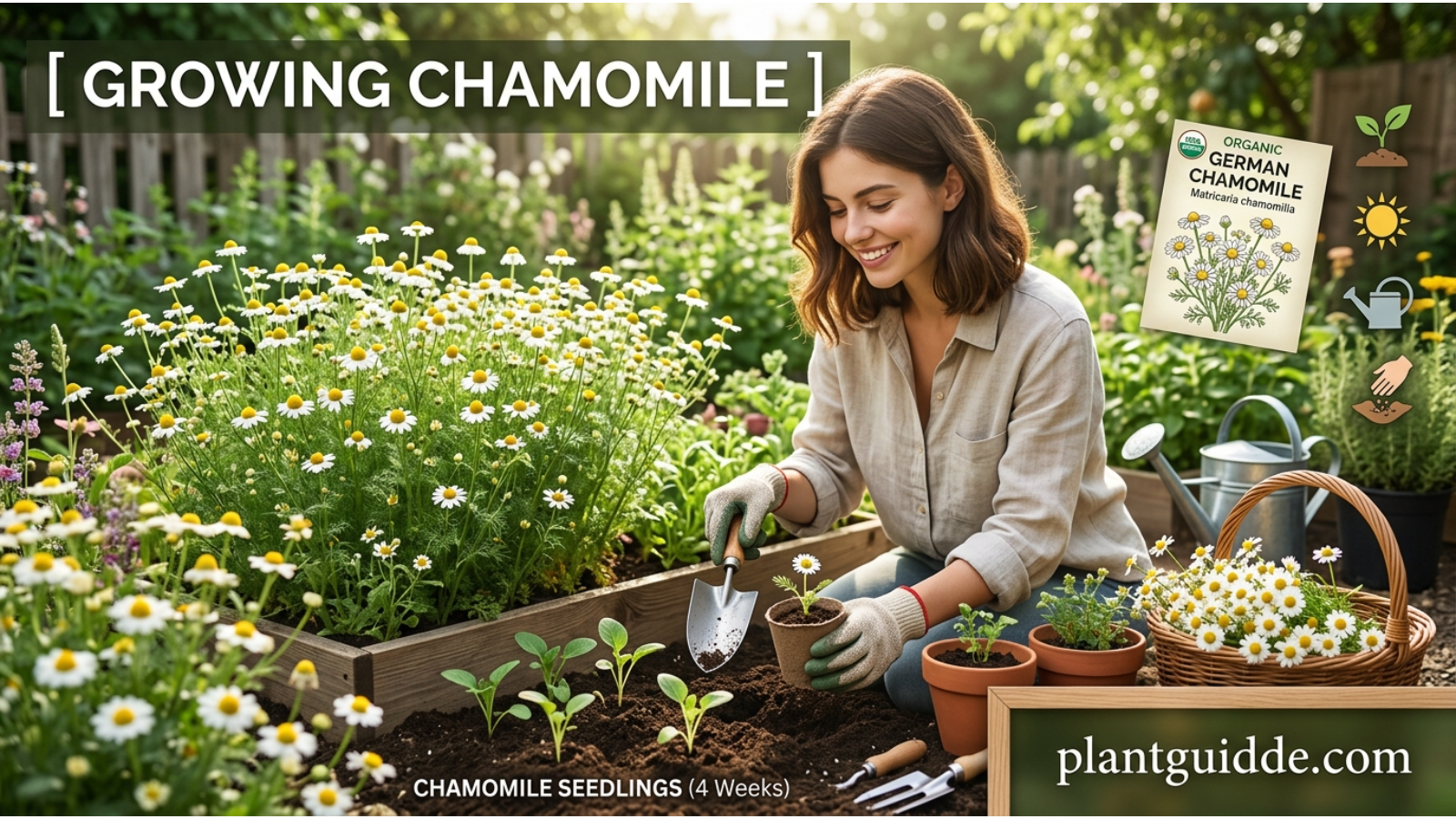
How to Grow Chamomile From Seed
Chamomile is commonly grown from seed, and the process is relatively straightforward.
Step 1: Choose a Suitable Location
Select a sunny position with good drainage. If growing in a container, place it somewhere that receives strong natural light.
Step 2: Prepare the Soil
Loosen the soil and remove large debris or competing weeds. The goal is a fine, open surface where small seeds can establish easily.
Step 3: Sow the Seeds
Chamomile seeds are small and generally need light to help with germination, so avoid burying them deeply. Press them gently against the surface and keep the growing medium evenly moist during germination.
Step 4: Keep the Soil Lightly Moist
Do not allow newly sown seeds to dry out completely. At the same time, avoid saturating the soil.
Step 5: Thin Crowded Seedlings
Once seedlings are established, thin them if necessary. Crowded plants compete for light and airflow and are more difficult to manage as they mature.
Step 6: Gradually Adjust Watering
As the plants develop stronger roots, allow the soil surface to dry slightly between thorough waterings.
When Does Chamomile Flower?
Flowering time depends on species, climate, planting date, and growing conditions.
German chamomile can flower relatively quickly during a favorable growing season, while Roman chamomile may behave differently because it is perennial.
Adequate sunlight is one of the most important factors influencing flowering. Plants receiving insufficient light may produce plenty of foliage but fewer flowers.
Regular harvesting can also encourage continued flower production, particularly when flowers are picked before they become old and spent.
How to Harvest Chamomile Flowers
Harvesting is one of the most rewarding parts of growing chamomile.
For herbal use, flowers are generally harvested when they are fully open and in good condition. Choose dry flowers and avoid harvesting immediately after rain or when foliage and flowers are wet.
A simple harvesting method is:
- Select healthy, fully opened flowers.
- Pinch or snip the flower heads from the stems.
- Leave healthy new growth on the plant.
- Continue harvesting as additional flowers open.
- Dry the flowers thoroughly if you intend to store them.
Frequent harvesting prevents older flowers from remaining on the plant indefinitely and allows you to make better use of the flowering crop.
How to Dry Chamomile
Spread freshly harvested flower heads in a thin layer in a clean, dry, well-ventilated location away from intense direct sunlight.
The flowers should be completely dry before storage. Any remaining moisture can encourage mold during storage.
Once thoroughly dried, store them in an airtight container in a cool, dark, dry place.
Should You Prune Chamomile?
Chamomile usually does not require heavy pruning.
Instead, focus on:
- Harvesting flowers regularly
- Removing damaged or diseased growth
- Cutting back unwanted spreading growth in Roman chamomile
- Removing spent material when appropriate
Roman chamomile may require more management because of its spreading habit. German chamomile generally completes its life cycle within one growing season, so extensive pruning is rarely necessary.
Common Chamomile Plant Problems
Chamomile Is Turning Yellow
Yellow leaves can have several causes, so avoid immediately assuming the plant needs fertilizer.
Check:
- How wet the soil remains after watering
- Whether the container drains properly
- Whether the plant receives enough sunlight
- Whether the roots are healthy
- Whether older leaves are naturally aging
If the soil stays wet for extended periods, improve drainage and reduce unnecessary watering.
Chamomile Is Wilting
Wilting does not always mean the plant needs more water.
Check the soil first.
If the soil is dry, thorough watering may resolve the problem. If the soil is already wet, adding more water can make the underlying problem worse.
Heat, root damage, transplant stress, and poor drainage can all contribute to wilting.
Chamomile Is Not Flowering
Poor flowering can result from:
- Insufficient sunlight
- Excessive nitrogen
- Immature plants
- Extreme heat or unsuitable temperatures
- Crowded growth
- General plant stress
Move container plants to a brighter location if light is inadequate. Avoid responding to poor flowering by automatically adding large amounts of fertilizer.
Chamomile Is Getting Leggy
Leggy growth usually indicates that the plant is stretching toward available light.
Move it to a brighter location and make sure surrounding plants are not blocking sunlight.
If growing multiple plants together, provide enough spacing to prevent excessive competition.
Chamomile Has Fungal Problems
Fungal issues become more likely when plants are crowded, foliage remains wet for long periods, or the soil drains poorly.
Improve airflow, avoid unnecessary overhead watering, and correct drainage problems.
Remove badly affected plant material where appropriate and avoid repeatedly growing plants in conditions that remain damp and poorly ventilated.
Chamomile Pests
Chamomile can encounter common garden pests, although healthy plants in suitable conditions may experience relatively few problems.
Potential pests include:
- Aphids
- Thrips
- Spider mites
- Caterpillars
- Other soft-bodied garden insects
Inspect the undersides of leaves and young growth regularly, especially when the plant begins showing distorted leaves or unusual discoloration.
For minor infestations, physically removing pests or using a suitable garden treatment according to its label may be enough. Avoid spraying unnecessarily, particularly when growing flowers intended for herbal use.
German Chamomile vs. Roman Chamomile
| Feature | German Chamomile | Roman Chamomile |
|---|---|---|
| Botanical name | Matricaria chamomilla / Matricaria recutita | Chamaemelum nobile |
| Growth habit | Upright | Low-growing and spreading |
| Life cycle | Usually annual | Perennial |
| Garden use | Herb garden, flower production | Ground cover, borders, herb garden |
| Height | Generally taller | Generally shorter |
| Best for | Seasonal flower harvests | Long-term perennial planting |
Understanding the difference prevents a common expectation problem: a gardener may purchase Roman chamomile expecting an upright herb or plant German chamomile expecting it to return permanently.
Always check the botanical name on the seed packet or plant label rather than relying only on the common name.
Chamomile Plant Care Mistakes to Avoid
Keeping the Soil Constantly Wet
Chamomile appreciates moisture during active growth but does not need waterlogged roots. Good drainage is more important than maintaining permanently damp soil.
Growing It in Too Much Shade
Chamomile is grown for its flowers, and inadequate light can significantly reduce flowering.
Overfertilizing
More fertilizer does not automatically mean more flowers. Excess nutrients can produce unbalanced growth and unnecessary maintenance.
Watering on a Fixed Schedule
Environmental conditions change. Check the soil instead of watering simply because a certain number of days have passed.
Ignoring Airflow
Dense growth combined with prolonged moisture can increase disease pressure. Give plants enough room to breathe.
Harvesting Only Once
If the plant continues producing flowers, regular harvesting allows you to make better use of the crop instead of waiting until the entire plant has finished flowering.
How to Keep Chamomile Healthy Throughout the Season
The easiest way to manage chamomile is to pay attention to the plant rather than following a rigid care calendar.
During active growth:
- Check soil moisture regularly.
- Keep the plant in strong light.
- Remove competing weeds.
- Watch for pests on young growth.
- Harvest flowers as they mature.
- Maintain good airflow.
- Avoid excessive fertilizer.
- Correct drainage problems early.
This approach is especially useful for container gardening because moisture levels can change rapidly with temperature and sunlight.
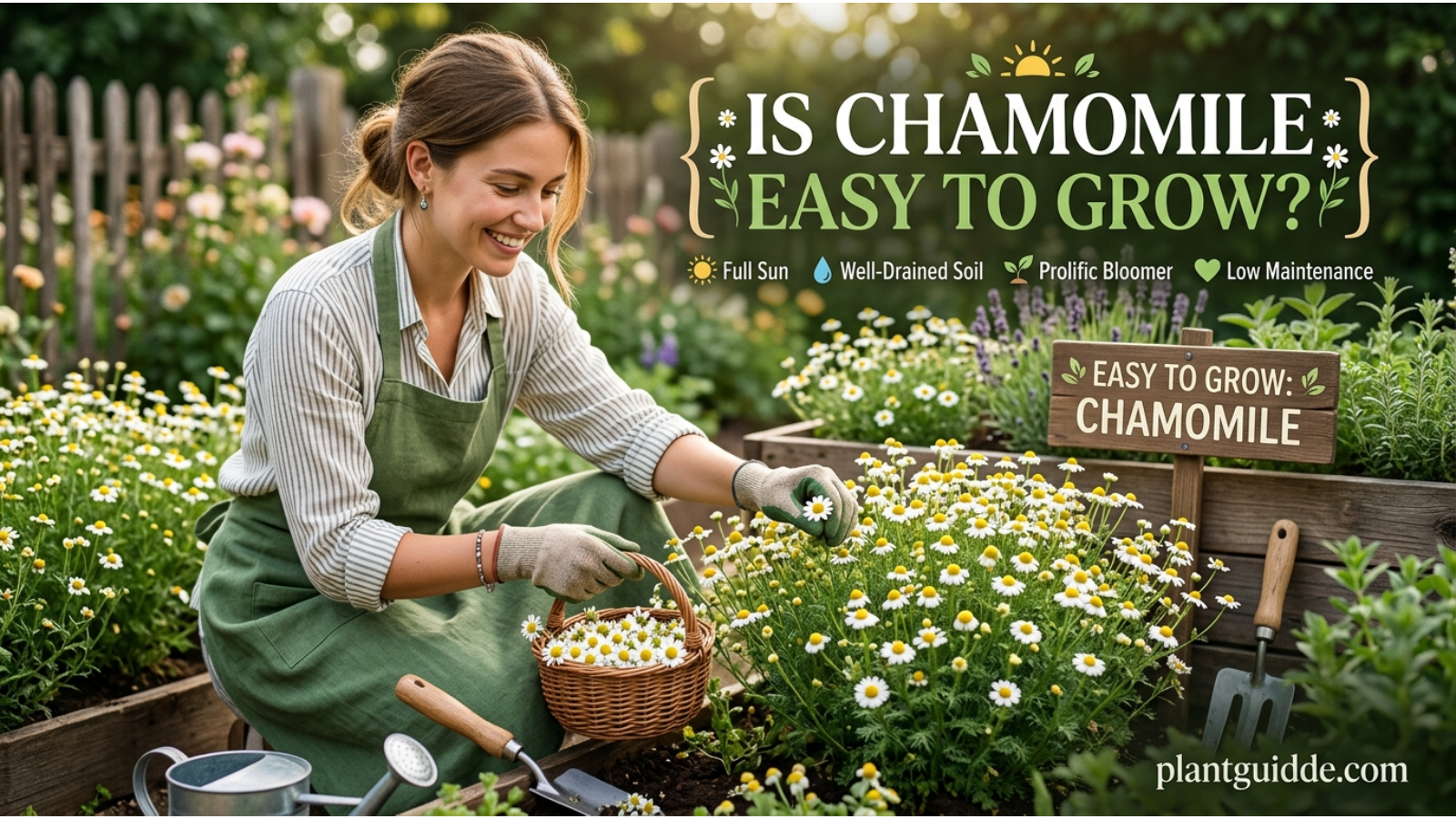
Is Chamomile Easy to Grow?
Yes, chamomile is generally considered a relatively easy herb to grow when its basic environmental requirements are met.
The plant becomes more difficult when it is grown in heavy, poorly drained soil, kept too wet, deprived of sunlight, or crowded into an area with poor airflow.
For beginners, the most useful principle is simple: give chamomile plenty of light, provide drainage, and water according to soil conditions rather than a fixed schedule.
FAQs:
How often should you water chamomile?
Water chamomile when the upper layer of soil begins to dry. Water thoroughly, then allow excess moisture to drain. The frequency depends on temperature, sunlight, soil, rainfall, and whether the plant is growing in a container or in the ground.
Does chamomile need full sun?
Chamomile generally performs best in full sun and needs strong light for good flowering. In extremely hot conditions, some afternoon protection can help prevent heat stress, particularly for container-grown plants.
Can chamomile grow indoors?
Chamomile can be grown indoors if it receives sufficient direct or very bright light and is planted in a container with good drainage. A sunny window is preferable, although indoor plants may produce less vigorous growth than plants grown outdoors under ideal conditions.
Why is my chamomile plant not flowering?
Insufficient sunlight is one of the first things to check. Other possibilities include immature plants, excessive nitrogen, unsuitable temperatures, crowding, or general growing stress. Improve the growing conditions before adding large amounts of fertilizer.
Does chamomile come back every year?
It depends on the species. German chamomile is generally grown as an annual, while Roman chamomile is a perennial and can return under suitable conditions. Check the botanical name before choosing a variety based on its expected lifespan.
Final Thoughts
Successful chamomile plant care does not require complicated maintenance. The essentials are strong sunlight, well-draining soil, sensible watering, adequate airflow, and regular harvesting.
If your chamomile is struggling, start with the basics rather than adding more fertilizer or water. Check the roots and soil moisture, evaluate the available light, and look closely at the plant’s growth pattern. Once those conditions are right, chamomile can reward you with healthy foliage and a steady supply of delicate flowers throughout its growing season.

Asad Mumtaz is a dedicated plant enthusiast and gardening writer with a passion for helping people care for their plants successfully. He specializes in plant care guides, indoor gardening, and practical growing tips for all skill levels. His content focuses on making gardening simple, enjoyable, and rewarding. Through his work, Asad shares reliable advice to help readers create thriving green spaces.