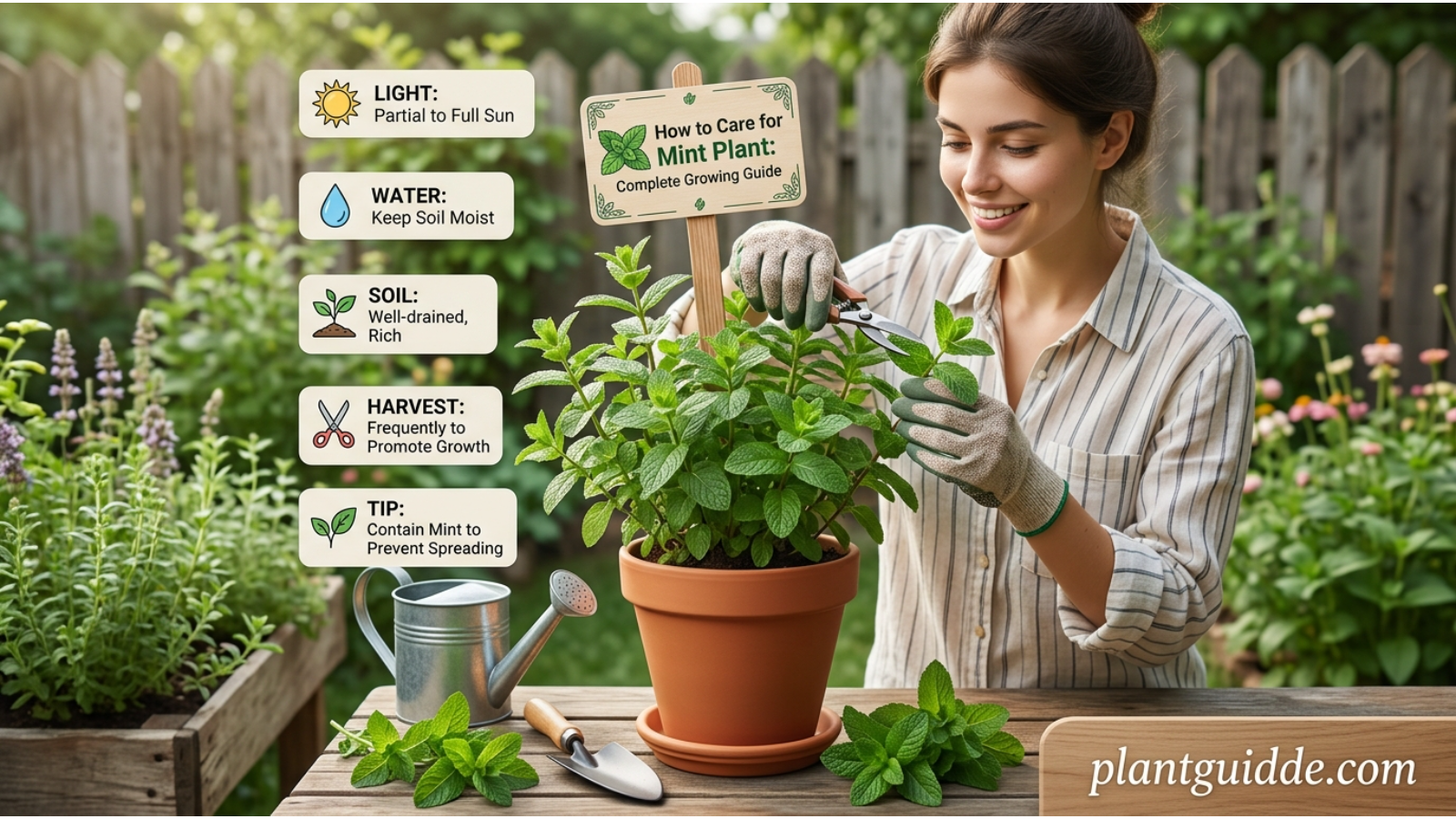
How to care for mint plant is one of the easiest herbs to grow, but that does not mean every mint plant will automatically stay healthy. A plant can look vigorous at first and then develop yellow leaves, drooping stems, brown edges, sparse growth, or a weak flavor when its growing conditions are slightly off.
Learning how to care for mint plant properly is mostly about getting a few fundamentals right: moisture, light, drainage, airflow, and regular pruning.
Mint likes moisture more than many Mediterranean herbs, but constantly saturated soil can still damage its roots. It also grows rapidly, so harvesting is not just useful in the kitchen, it helps maintain a compact, productive plant.
Quick Answer
To care for a mint plant, give it bright light, consistently moist but well-draining soil, moderate humidity, and regular harvesting. Mint grows well indoors or outdoors, but it spreads aggressively when planted in garden beds. Water when the top inch of soil begins to dry, pinch stems regularly to encourage bushier growth, and provide afternoon protection in very hot climates.
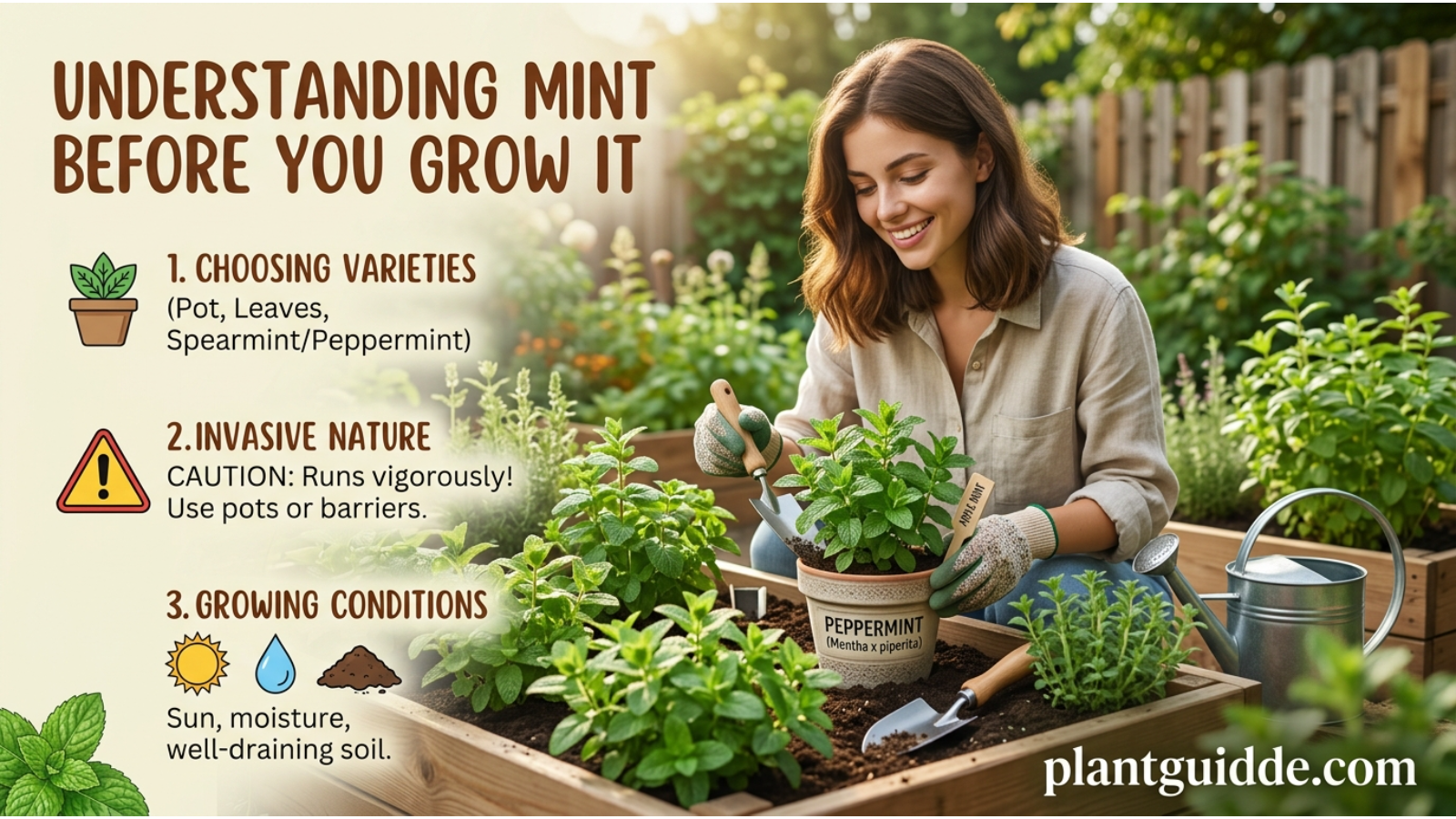
Understanding Mint Before You Grow It
Mint belongs to the Mentha genus and includes popular types such as peppermint and spearmint. Most varieties are perennial and spread through underground stems called rhizomes and surface-running stems.
That spreading habit is important when deciding where to plant mint.
In a garden bed, mint can quickly move beyond the area where you originally planted it. For this reason, growing mint in a container is often the easiest option for beginners.
Mint is also remarkably responsive to pruning. Instead of allowing long stems to become thin and floppy, regular harvesting encourages new side shoots and creates a fuller plant.
Mint Plant Care Requirements at a Glance
| Care factor | What mint prefers |
|---|---|
| Light | Bright light, with some protection from intense afternoon sun |
| Soil | Rich, loose, well-draining soil |
| Water | Consistently moist but not waterlogged |
| Humidity | Moderate to moderately high |
| Temperature | Mild to warm growing conditions |
| Fertilizer | Light, occasional feeding |
| Pruning | Frequent pinching and harvesting |
| Container | Wide container with drainage holes |
| Best placement | Bright windowsill, balcony, patio, or garden |
| Main problems | Dry soil, poor drainage, insufficient light, overcrowding |
How Much Light Does a Mint Plant Need?
Mint grows best with plenty of light, but the ideal amount depends on the growing environment.
Indoors, place mint near a bright window where it receives several hours of sunlight or strong indirect light. A bright east- or west-facing window can work well. If the plant receives too little light, stems may become elongated and weak, with larger gaps between leaves.
Outdoors, mint generally appreciates several hours of sun, especially in the morning. In very hot climates, intense afternoon sun can cause wilting or scorched foliage, particularly when the plant is growing in a small container.
Signs Your Mint Needs More Light
Watch for:
- Long, stretched stems
- Small or widely spaced leaves
- Weak, floppy growth
- Slow development
- A plant leaning strongly toward a window
If your indoor mint is becoming leggy, move it gradually toward a brighter location rather than immediately exposing a shade-grown plant to intense direct sunlight.
How to Water Mint Plant Correctly
Watering is one of the most important parts of mint plant care.
Mint generally prefers soil that stays evenly moist rather than drying completely between waterings. However, moist soil does not mean permanently wet soil.
Before watering, check the soil with your finger. If the upper inch feels noticeably dry, give the plant a thorough watering.
When watering a container-grown mint plant:
- Water slowly until moisture reaches the entire root zone.
- Allow excess water to drain through the bottom.
- Empty a saucer if water remains trapped underneath.
- Check the soil again before watering next time.
The exact watering schedule will vary with temperature, pot size, sunlight, soil, and humidity. A mint plant in a small pot exposed to hot sunlight may need water much more frequently than one growing in a larger container indoors.
Why Overwatering Is Still a Problem
Because mint likes moisture, beginners sometimes assume that keeping the soil soaked will help it grow faster. It usually does the opposite.
Constantly saturated soil reduces the air available around the roots and can encourage root problems. Yellowing leaves, persistent wilting despite wet soil, a sour-smelling potting mix, and soft or declining stems can all indicate that the root zone is staying too wet.
The goal is consistently moist soil with good drainage, not a waterlogged pot.
Choose the Right Soil for Mint
Mint is not particularly difficult about soil, but drainage matters.
A good container mix should retain enough moisture to prevent the plant from drying out too quickly while still allowing excess water to escape.
A practical mixture can include:
- Quality all-purpose potting mix
- Compost for organic matter
- Perlite or another drainage-improving material
Avoid using heavy garden soil by itself in a container. It can compact over time and restrict drainage.
If your mint repeatedly develops yellow leaves despite proper watering, inspect the soil and drainage rather than automatically adding more fertilizer.
Choose a Container That Controls Mint’s Spread
Mint is a vigorous grower, so container culture has a major advantage: it keeps the plant’s roots contained.
Choose a pot with drainage holes and enough width for the plant to produce new shoots. A wider container is often more useful than an extremely deep one because mint naturally spreads as it grows.
Avoid planting several vigorous mint plants in a very small container. Crowded roots dry out quickly and competition can reduce overall growth.
If roots begin circling densely around the inside of the container or water runs straight through without soaking the soil properly, it may be time to repot.
How to Fertilize Mint
Mint generally does not require heavy fertilization.
If it is growing in fresh, nutrient-rich potting soil, additional fertilizer may not be necessary immediately. During active growth, an occasional balanced liquid fertilizer at a reduced strength can support continued development.
Too much fertilizer can encourage excessive soft growth and may contribute to nutrient buildup in containers.
A better approach is to combine moderate feeding with good light, adequate moisture, and regular harvesting.
If your mint has plenty of healthy foliage but weak flavor, adding more fertilizer is not necessarily the solution. Light, variety, plant maturity, and harvesting practices can also affect the quality of the leaves.
How to Prune and Harvest Mint
Regular harvesting is one of the easiest ways to keep mint attractive and productive.
Instead of removing only individual leaves, cut stems just above a healthy pair of leaves. This encourages the plant to produce additional side shoots.
For a young plant, avoid removing too much foliage at once. Once the plant becomes established, you can harvest more frequently.
Best Time to Harvest Mint
Harvest mint in the morning after the foliage has dried from overnight moisture but before intense afternoon heat.
For the strongest fresh aroma, harvest stems before or around the beginning of flowering. You can still use mint after flowering, but regular harvesting before extensive flowering helps maintain tender leafy growth.
Do not worry about pruning too much if the plant is healthy. Mint responds well to cutting back and can regenerate quickly under favorable conditions.
How to Care for Mint Plant Indoors
Mint can grow successfully indoors, especially when you can provide enough light.
Place the plant in the brightest suitable location available. A kitchen windowsill can be convenient because fresh leaves are easy to harvest, but avoid placing the pot directly against a very cold window or beside a strong heating vent.
Indoor mint benefits from:
- Bright light
- A container with drainage
- Regular watering
- Good airflow
- Occasional feeding during active growth
- Frequent harvesting
One common indoor problem is keeping mint too far from the window. The plant may remain alive but become thin and stretched because the light is insufficient for strong compact growth.
If natural light is poor, a suitable grow light can help maintain healthier growth.
How to Care for Mint Plant Outdoors
Outdoor mint usually grows faster than indoor mint because it receives stronger light and better airflow.
Choose a location with morning sun and some protection from harsh afternoon heat if your climate becomes extremely hot.
Keep the soil evenly moist, especially during hot weather. Container-grown mint can dry out much faster than mint planted in the ground.
If you plant mint directly in the garden, remember that it can spread aggressively. A container or dedicated raised area can make long-term maintenance much easier.
Mint Plant Care in Hot Weather
Mint may wilt surprisingly quickly during periods of intense heat.
This does not always mean the plant is permanently damaged. Container plants can become hot and dry much faster than plants growing in the ground.
During hot weather:
- Check soil moisture more frequently.
- Provide protection from severe afternoon heat.
- Avoid letting container soil become completely dry.
- Water the root zone rather than repeatedly wetting the foliage.
- Make sure drainage remains effective.
- Keep containers away from surfaces that become extremely hot.
If a wilted plant recovers after thorough watering and moderate shade, temporary heat or moisture stress may have been the problem. Persistent wilting in wet soil is more concerning and may indicate root damage.
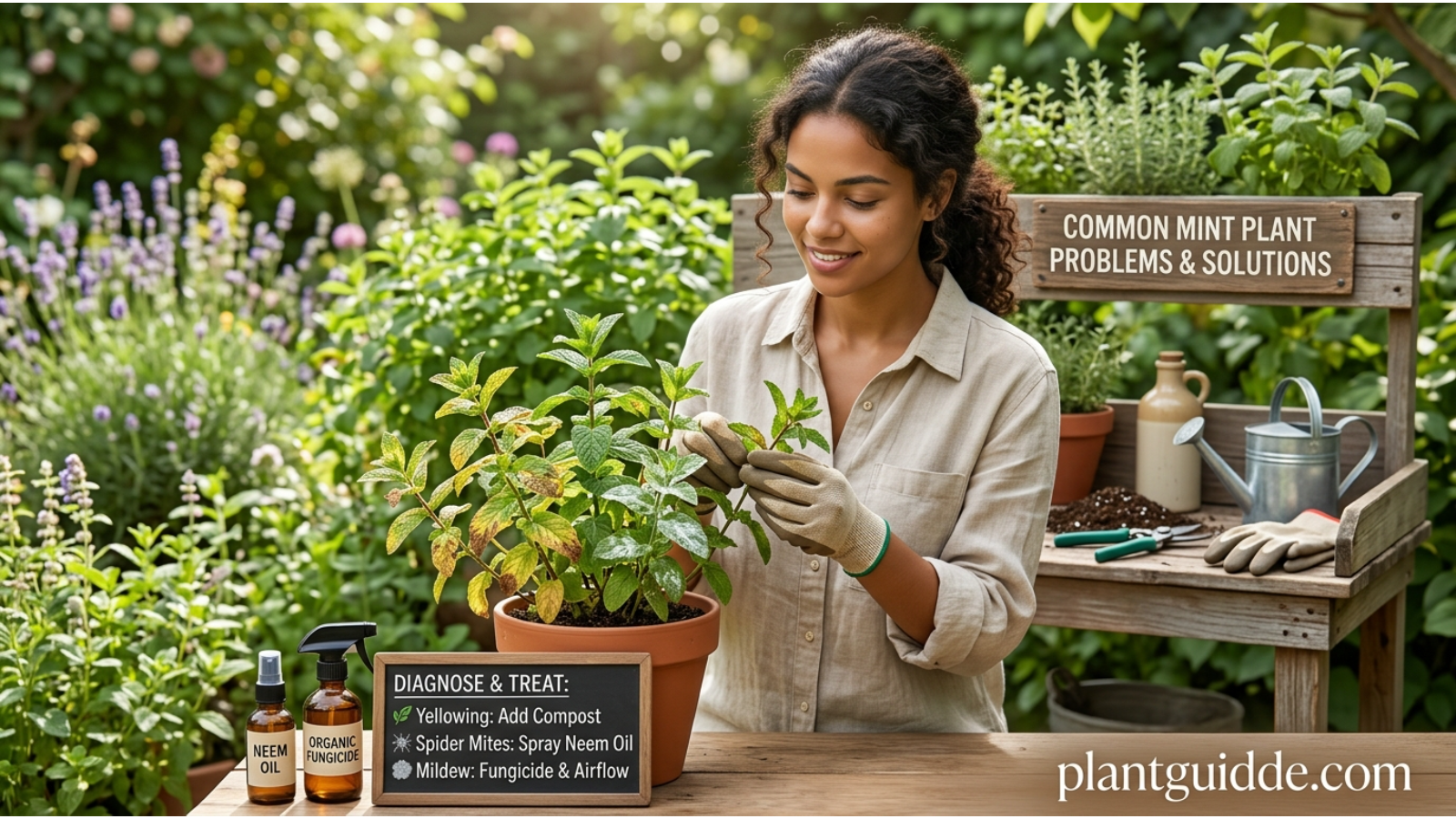
Common Mint Plant Problems and Solutions
Mint Leaves Turning Yellow
Yellow leaves can have several causes.
The most common possibilities include:
- Excessive watering
- Poor drainage
- Insufficient light
- Natural aging of older leaves
- Nutrient problems
- Root stress
Start by checking the soil moisture and drainage before applying fertilizer.
Mint Plant Wilting
Wilting usually means the plant is experiencing some type of stress.
If the soil is dry, water thoroughly and monitor the plant. If the soil is already wet, do not automatically add more water.
Wilting combined with consistently soggy soil can indicate a root-zone problem.
Mint Leaves Turning Brown
Brown edges or patches may result from:
- Dry soil
- Hot, intense sunlight
- Low humidity
- Root stress
- Excessive fertilizer
- Physical damage
Look at the overall pattern. Crispy leaves on a plant that repeatedly dries out suggest moisture stress, while brown foliage combined with constantly wet soil points toward a different problem.
Mint Plant Getting Leggy
Leggy growth is commonly associated with insufficient light.
Move the plant to a brighter location and prune the elongated stems. New growth should become more compact when light conditions improve.
Mint Leaves Curling
Curling leaves can occur when the plant is experiencing heat, drought, inconsistent watering, pests, or root stress.
Check both the foliage and soil. Look underneath leaves for insects and examine the root-zone moisture before deciding what treatment is needed.
Mint Plant Not Growing
If your mint has stopped producing new growth, check:
- Light intensity
- Soil moisture
- Drainage
- Root crowding
- Temperature
- Nutrient availability
- Recent pruning or transplanting stress
Avoid immediately adding fertilizer without checking these fundamentals first.
How to Make Mint Grow Bushier
If your mint is tall and sparse, pruning is usually more effective than simply adding fertilizer.
Pinch or cut stems just above a pair of healthy leaves. The plant can then redirect growth into side shoots.
Repeat this process as new stems become long. Regular harvesting creates a more compact shape than allowing the plant to grow tall and then cutting it back only once.
Good light is equally important. A heavily pruned mint plant will still become leggy if it does not receive enough light.
Should You Let Mint Flower?
You can let mint flower, especially if you want to enjoy the flowers or attract pollinators.
However, if your primary goal is tender foliage for cooking, regular harvesting before extensive flowering is often preferable. Flowering can also make the plant look less compact as stems stretch upward.
You do not need to panic if your mint flowers. Simply cut back the flowering stems and encourage fresh leafy growth.
How to Propagate Mint
Mint is exceptionally easy to propagate from stem cuttings.
Cut a healthy stem below a leaf node and remove the lower leaves. Place the cutting in water or a suitable moist growing medium.
When roots develop, transfer the cutting into potting mix and keep it evenly moist while the new plant establishes.
Because mint spreads readily, propagation is often easier than buying new plants. A single healthy plant can provide numerous cuttings.
Common Mint Growing Mistakes
Keeping the Soil Constantly Wet
Mint likes moisture, but roots still need oxygen. Always combine regular watering with proper drainage.
Growing Mint in a Tiny Pot
A very small container can dry rapidly and restrict root development. Choose a container with enough space for vigorous growth.
Giving Indoor Mint Too Little Light
A plant may survive in a dim room while producing weak, stretched growth. Survival is not the same as healthy growth.
Planting Mint Directly in the Garden Without a Plan
Mint can spread beyond its original planting area. Use containers or another containment strategy if you want predictable growth.
Never Pruning the Plant
Unpruned mint can become tall, tangled, and sparse. Regular harvesting helps maintain fresh, bushy growth.
Watering on a Fixed Schedule
Calendar-based watering is less reliable than checking the actual soil. Weather, pot size, light, and plant growth can change how quickly mint uses water.
Indoor Mint vs. Outdoor Mint
| Factor | Indoor Mint | Outdoor Mint |
|---|---|---|
| Light | Bright window or grow light | Sun to partial shade |
| Watering | Often less frequent | Can require frequent watering in heat |
| Growth | Usually slower | Often vigorous |
| Space | Easy to control | Can spread rapidly |
| Main challenge | Insufficient light | Heat, drying, or excessive spread |
| Harvesting | Convenient year-round | Often strongest during active growing season |
When Should You Repot Mint?
Repot mint when the plant becomes noticeably root-bound, dries out unusually quickly, or becomes difficult to keep stable in its container.
Choose a pot only moderately larger than the existing one. Moving a small plant into a very large container can leave a large volume of wet soil around a relatively small root system.
After repotting, water thoroughly and place the plant in suitable light while it adjusts.
Can You Grow Mint From Store-Bought Cuttings?
Yes, fresh mint stems can sometimes produce roots if they are still viable.
Choose healthy stems with intact nodes, remove lower leaves, and place the stems in clean water. Once roots develop, transfer them carefully into moist potting mix.
Success varies because store-bought herbs may have been harvested, chilled, or handled in ways that reduce their ability to root. Fresh, healthy stems generally offer the best chance.
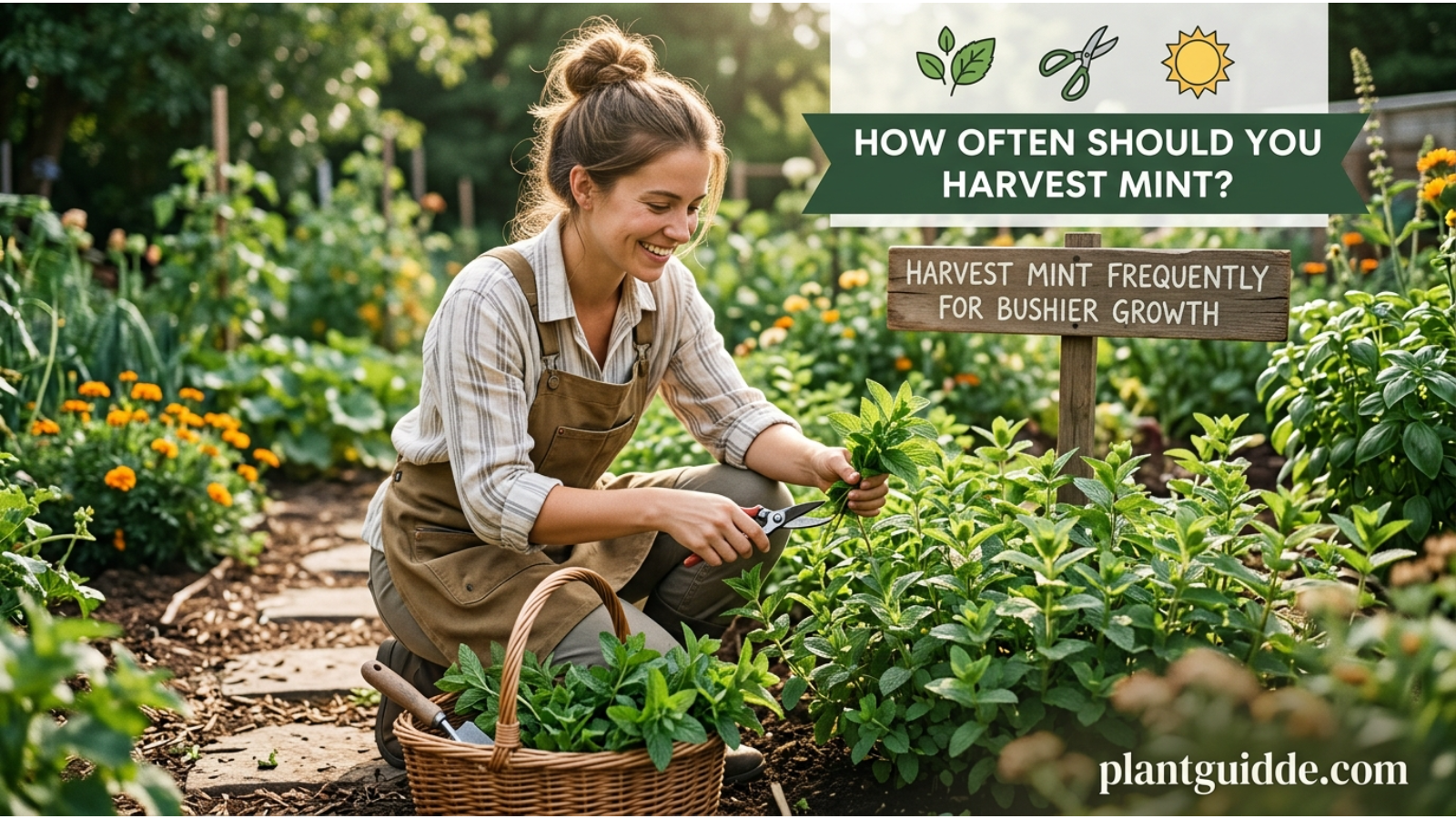
How Often Should You Harvest Mint?
There is no single schedule that works for every mint plant.
Harvest whenever stems become long enough to use, but avoid removing most of the foliage at one time from a small or stressed plant.
For an established, vigorous plant, frequent light harvesting can actually help maintain better shape. Always leave enough healthy foliage for continued photosynthesis and recovery.
FAQs:
Does mint need full sun?
Mint can grow in full sun, but it often performs best with several hours of sunlight and some protection from intense afternoon heat. In very hot climates, harsh afternoon sun can increase water stress and cause leaf scorch.
How often should I water a mint plant?
Water when the top inch of soil begins to dry rather than following a rigid calendar. Mint prefers consistently moist soil, but the container should drain freely and should never remain waterlogged.
Can mint grow indoors?
Yes. Mint can grow indoors when given enough light, suitable drainage, consistent moisture, and regular pruning. A bright windowsill or appropriate grow light can help prevent weak, leggy growth.
Why is my mint plant dying even though I water it?
If the soil is constantly wet, overwatering or poor drainage may be causing root stress. Check the drainage holes and inspect the soil before watering again. If the soil is dry, drought or excessive heat may instead be responsible.
How do I keep mint from spreading in my garden?
The easiest solution is to grow mint in a container. If planting outdoors in the ground, use a method that limits its roots and regularly remove runners that escape the intended growing area.
Conclusion
Successful mint plant care does not require complicated techniques. Focus on bright light, evenly moist but well-draining soil, sensible watering, and regular harvesting. The biggest mistakes are usually keeping the roots too wet, allowing the plant to become severely leggy, or underestimating how quickly mint can spread.
For the healthiest, bushiest plant, start with a container that drains well, place it somewhere bright, check the soil before watering, and pinch the stems regularly. Those simple habits give mint the conditions it needs to produce vigorous new growth and a steady supply of fresh leaves.

Asad Mumtaz is a dedicated plant enthusiast and gardening writer with a passion for helping people care for their plants successfully. He specializes in plant care guides, indoor gardening, and practical growing tips for all skill levels. His content focuses on making gardening simple, enjoyable, and rewarding. Through his work, Asad shares reliable advice to help readers create thriving green spaces.